bloggggg

Home  |  Live  |  Science  |  Lifestyle  |  Entertainment  |  Broadcast  |  Games  |  eBooks  |  Astounds  |  Adbite  |  Cricbell  |  Cyber  |  Idea  |  Digital  |  Privacy  |  Publish  |  ePaper  |  Contact  .Subscribe.Subscribe.Subscribe.Subscribe.Subscribe.Subscribe.Subscribe.Subscribe.Subscribe
Subscribe

Thursday, 11 December 2025

30,000 Animals Rescued from Illegal Captivity in the Largest Wildlife Trafficking Raid in History

Poaching suspects and the elephant ivory they were holding in Angola – credit, INTERPOL, released

INTERPOL recently executed the largest-ever edition of its annual series of coordinated of raids to dismantle criminal shipments and networks of trafficked and poached wildlife.

Called Operation Thunder, some 30,000 live animals were seized in 4,620 raids across 134 countries, 30% more than last year.

INTERPOL identified 1,100 suspects and issued 69 notices of criminal activity to participating nations’ police forces.

Operation Thunder took place between September 15th and October 15th. It included law enforcement agencies like national police, customs, border security, and forestry and wildlife authorities.

In terms of live animals awaiting transfer or sale into illegal captivity, the operation rescued 6,160 birds, 2,040 terrapins, 1,150 reptiles, 208 primates, 49 pangolins, 10 big cats, and some 19,000 other species, including more infrequently trafficked mammals, fish, amphibians, and a notably larger number of arthropods (insects, arachnids, etc.)

Far larger in number and tonnage was the animal parts and derivates that were seized, such as shark fins, pangolin scales, elephant ivory, tortoise shell, and more.

Encouragingly though, in the largest-ever police bust of wildlife trafficking, merely 7 rhino horns were found amid over 100,000 seized objects, suggesting rhino poaching control is seeing success.

Indeed, large charismatic animals and their body parts are less often found in these annual raids than they used to me. At the same time, increases in exotic arthropods, as well as timber, show the flexibility of poachers. 14,000 tons of illegally logged tree timber were confiscated across the participating nations. This is believed to be as much as one-third of the entire illegal timber market.

Months of preparation for Operation Thunder 2025 centered on the exchange of information, the sharing of actionable intelligence and the coordination of cross-border investigations among participating countries and regions, INTERPOL and the World Customs Organization.

Beyond the immediate arrests and seizures, the intelligence gathered during what is the 9th edition of Operation Thunder will help map global criminal networks. These insights will enable law enforcement agencies worldwide to refine their strategies, anticipate emerging criminal tactics and disrupt illicit supply chain activity, ensuring a sustained and effective response to transnational wildlife crime.INTERPOL did not give estimates on the total valuation of the seizures, but the trafficked goods from just Tanzania exceeded half a million US dollars, suggesting that criminal networks would have lost 7, even 8-figure amounts in illicit revenues. 30,000 Animals Rescued from Illegal Captivity in the Largest Wildlife Trafficking Raid in History

Wednesday, 5 June 2024

Millions of UK adults may have lost money to a financial scam in the last year


12% of UK adults have admitted to losing money to a financial scam in the last year, according to new research[1] from WEALTH at work. This could potentially equate to 6.2 million adults[2] across the UK.

The research found that of those who had lost money to a financial scam, the average amount was over £1k[3].

These findings come despite almost 3 out of 4 (72%) of adults saying that they are confident in their ability to identify a financial scam.

The research also revealed the worrying impact losing money to a financial scam had on people. It found that two out of five (40%) find it difficult to trust that any financial information is legitimate, more than a quarter (27%) say it’s had a negative impact on their mental health, and almost a quarter (24%) do not feel safe investing their money. Losing money to financial scams has also meant that more than a fifth (22%) have had to change their plans for the future.

To help employees avoid falling for a financial scam, through its research, WEALTH at work has identified the common financial scams that people lost money to in the last year:

Purchase scams – 27% of those who lost money to a financial scam said it was through the sale of fake products or goods online.

Investment scam – 19%said it was through scams that encourage investing in fake opportunities or pyramid schemes.

Friends or family scam – 18%said it was through messages sent claiming to be someone they knew asking for money.

Bank account scam – 18% said it was through fake claims that their account had been compromised.

Tech support scam – 15% said it was through fake technical support services that were used to obtain personal details.

Befriending/romance scam – 14% said it was through scams where someone becomes your friend, then asks for money.

Pensions scam – 13% said it was through fake promises of guaranteed returns or early access to their pension.

Tax refund scam – 10% said it was through fake promises of tax rebates.

Lottery scam – 9% said it was through fake claims that they’ve won a prize

Jonathan Watts-Lay, Director, WEALTH at work, comments; “Financial scamming is rife and people need to be on their guard as fraudsters use many convincing techniques to persuade their victims that they are genuine. Many of these scams look completely legitimate and are not easy to spot. People often get seduced by the promise of investment returns which are too good to be true.

He adds; “Those that run scams are clever and may have been able to get hold of personal details. They often have very professional looking websites and literature which makes it hard to distinguish from the real thing. They will also use technology and try to contact individuals through various means such as social media, texts, telephone calls and emails. If someone is planning to transfer any money or make a payment, but they are not 100% sure that they are doing the right thing, they should stop and think to give themselves time to check it out. If they are feeling harassed, they should hang up the phone or delete the message. Phone companies should be able to help by blocking any offending numbers, and email providers can help block emails from specific senders. People should be aware of what they share through social media and check that their privacy settings are as secure as possible.”

Watts-Lay explains; “Unfortunately, the strain on household finances caused by rising costs could mean that some people are more vulnerable than ever, and fraudsters can take advantage of this. Those approaching retirement could also be a key target as they could have access to relatively large sums of money. I urge everyone to never rush to make a decision when it comes to their money, as anything that talks about time limited offers is likely to be a scam.”

He adds; “We would encourage people to follow the 3 step approach of the national ‘Take Five’ campaign by UK Finance, a leading industry body for financial services in the UK. The campaign urges individuals to stop and think before parting with money, challenge if something is fake, and protect their money by contacting their bank if they think they’ve fallen for a scam.”

Watts-Lay comments; “Before investing any money, people should check that the company is registered, with the Financial Conduct Authority (FCA) first, as if they’re not, it’s probably a scam. The FCA’s financial register can be found here https://register.fca.org.uk/s/. The FCA’s ScamSmart website also includes a warning list of companies to be aware of www.scamsmart.fca.org.uk.”

If anyone thinks that they are being scammed, they must report it to Action Fraud in England, Wales or Northern Ireland, either online or by calling 0300 123 2040. In Scotland, they should report to Police Scotland by calling 101.

He adds; “Many leading employers offer financial education, guidance and access to regulated financial advice to help people understand the warning signs when it comes to a scam so that it can be avoided. Employers play an important role in supporting the financial wellbeing of their employees and helping them to protect their money from scams throughout their career and at retirement is key. As well as this, many employers also provide employees with access to trusted savings and investment vehicles such as a Workplace ISAs or Share Plan, so the fear of being scammed should never be a barrier to saving for the future.”
[1] Research for WEALTH at work was carried out online by Opinion Matters throughout 01/05/24 – 07/05/24 amongst a panel of 2,061 UK adults (aged 18+).

[2]12% (11.6448326055313%) of people lost money to a scam multiplied by the UK adult population of 53,646,829 (ONS 2022 18+ mid year estimate) = 6,247,083 adults across the UK (rounded to 6.2 million).

[3] The research found that the mean figure of UK adults who lost money to a scam was £1111.21 which has been rounded to over £1k. Source: https://hrnews.co.uk/millions-of-uk-adults-may-have-lost-money-to-a-financial-scam-in-the-last-year/

Monday, 18 December 2023

It can be hard to challenge workplace discrimination but the government’s new bill should make it easier


Alex Gutierrez worked for MUR Shipping and its predecessors for nearly 30 years. But in 2018 he was told, in line with company policy, it was time to set a retirement date.

Gutierrez was moved to a fixed-term contract, asked to train his replacement and ultimately resigned from his job. He then complained to the Australian Human Rights Commission and brought his claim to court, alleging age discrimination.

He won the case but he also lost.

The court found the company had discriminated. But Gutierrez’s damages – A$20,000 - dwarfed his legal costs, which amounted to about $150,000. The low damages also meant Gutierrez might have to pay MUR’s costs, as the damages were lower than a previous settlement offer.

Gutierrez was the first person to win an age discrimination case in court in the roughly 20 years the federal Age Discrimination Act 2004 has existed and his situation explains why. You can win in court but still be hugely out of pocket for your costs and your employer’s costs. Few people take the risk.

That problem will be largely eliminated under a new government bill before the federal parliament. The bill would introduce a modified “equal access” cost protection provision for discrimination claims.

How changing the law would help

If the bill passes, claimants (workers) will generally recover their costs when their claim is successful. Respondents (employers) cannot generally recover their costs, except in limited circumstances. This could significantly increase the number of workers who are willing to sue over discrimination, of any kind.

Discrimination at work is common: in one survey conducted for the Australian Human Rights Commission, 63% of respondents said they had experienced age discrimination – being considered too young, or too old - in the last five years.

But few people challenge discrimination in the workplace. In my research on age discrimination law, I found people were often concerned about the costs of making a complaint. This includes financial costs, but also personal and emotional costs. People were also worried about the time it might take to resolve.

Costs have been a particular problem under federal discrimination law.

Australia has discrimination laws at state, territory and federal level. Discrimination is also banned under industrial law – the federal Fair Work Act 2009. In every jurisdiction except Victoria, a complaint is first made to a statutory equality agency, which tries conciliation.

In many cases, this succeeds and most claims are resolved, though many are withdrawn.

Conciliation can save time and money

Conciliation is comparatively quick and cheap and lawyers are often not involved because you can represent yourself.

It is when a complaint isn’t resolved at conciliation that the costs increase. In the states and territories, and under the federal Fair Work Act 2009, parties mostly pay their own costs (that is, the cost of a lawyer).

It is different under federal discrimination law. In the federal courts, the losing party generally pays the winning party’s costs. This makes the stakes of a discrimination claim incredibly high: if your claim fails, you may not just have to pay your own legal bill, but also the other side’s legal bill.

The perils of costs were shown by Gutierrez’s case. In Gutierrez v MUR Shipping Australia Pty Limited, despite winning his claim of age discrimination, Gutierrez had to appeal in order to escape punishing legal costs.

Fortunately, Gutierrez had his appeal upheld; his damages were increased to $232,215, so he was no longer liable for the other side’s costs, and he had his appeal costs paid. But not every claim under the current law will be so lucky.

Prohibitive costs can stop people from taking action

Costs make challenging discrimination at work under federal law much more difficult. The human rights commission’s Respect@Work report found the risk of a costs order was a significant “disincentive” to bringing a claim under federal law.

The new bill might remove this disincentive by re-balancing the costs of claiming, enabling many more people to challenge discrimination in the federal courts.

We all have an interest in challenging discrimination and inequality. Research suggests more equal societies are happier and healthier overall. There is a good chance, too, many of us will experience some form of discrimination in our working lives.

Using discrimination law – making a complaint – can benefit us as individuals but can also force broader change. It can lead to policy change and it can force employers to take equality seriously.The Conversation

Alysia Blackham, Associate Professor in Law, The University of Melbourne

This article is republished from The Conversation under a Creative Commons license. Read the original article.

Friday, 15 December 2023

How risky is it to give card details over the phone and how do I reduce the chance of fraud?

Paul Haskell-Dowland, Edith Cowan University and Ismini Vasileiou, De Montfort University

Paying for things digitally is so common, most of us think nothing of swiping or tapping our card, or using mobile payments. While doing so is second nature, we may be more reluctant to provide card details over the phone.

Merchants are allowed to ask us for credit card details over the phone – this is perfectly legal. But there are minimum standards they must comply with and safeguards to protect consumer data.

So is giving your card details over the phone any more risky than other transactions and how can you minimise the risks?

How is my card data protected?

For a merchant to process card transactions, they are expected to comply with the Payment Card Industry Data Security Standard. This is a set of security requirements designed to protect cardholder data and the trillions of dollars of transactions each year.

Compliance involves various security measures (such as encryption and access controls) together with strong governance and regular security assessments.

If the information stored by the merchant is accessed by an unauthorised party, encryption ensures it is not readable. That means stealing the data would not let the criminals use the card details. Meanwhile, access controls ensure only authorised individuals have access to cardholder data.

Though all companies processing cards are expected to meet the compliance standards, only those processing large volumes are subject to mandatory regular audits. Should a subsequent data leak or misuse occur that can be attributed to a compliance failure, a company can be penalised at levels that can escalate into millions of dollars.

These requirements apply to all card transactions, whether in person, online or over the phone. Phone transactions are likely to involve a human collecting the card details and either entering them into computer systems, or processing the payment through paper forms. The payment card Security Standards Council has detailed guides for best practice:

A policy should be in place to ensure that payment card data is protected against unauthorised viewing, copying, or scanning, in particular on desks.

Although these measures can help to protect your card data, there are still risks in case the details are misplaced or the person on the phone aren’t who they say they are.

Basic tips for safe credit card use over the phone

If you provide card details over the phone, there are steps you can take to minimise the chance you’ll become the victim of fraud, or get your details leaked.

1. Verify the caller

If you didn’t initiate the call, hang up and call the company directly using details you’ve verified yourself. Scammers will often masquerade as a well-known company (for example, an online retailer or a courier) and convince you a payment failed or payment is needed to release a delivery.

Before you provide any information, confirm the caller is legitimate and the purpose of the call is genuine.

2. Be sceptical

If you are being offered a deal that’s too good to be true, have concerns about the person you’re dealing with, or just feel something is not quite right, hang up. You can always call them back later if the caller turns out to be legitimate.

3. Use secure payment methods

If you’ve previously paid the company with other (more secure) methods, ask to use that same method.

4. Keep records

Make sure you record details of the company, the representative you are speaking to and the amount being charged. You should also ask for an order or transaction reference. Don’t forget to ask for the receipt to be sent to you.

Check the transaction against your card matches the receipt – use your banking app, don’t wait for the statement to come through.

Virtual credit cards

In addition to the safeguards mentioned above, a virtual credit card can help reduce the risk of card fraud.

You probably already have a form of virtual card if you’ve added a credit card to your phone for mobile payments. Depending on the financial institution, you can create a new credit card number linked to your physical card.

Some banks extend this functionality to allow you to generate unique card numbers and/or CVV numbers (the three digits at the back of your card). With this approach you can easily separate transactions and cancel a virtual card/number if you have any concerns.

What to do if you think your card details have been compromised or stolen?

It’s important not to panic, but quick action is essential:

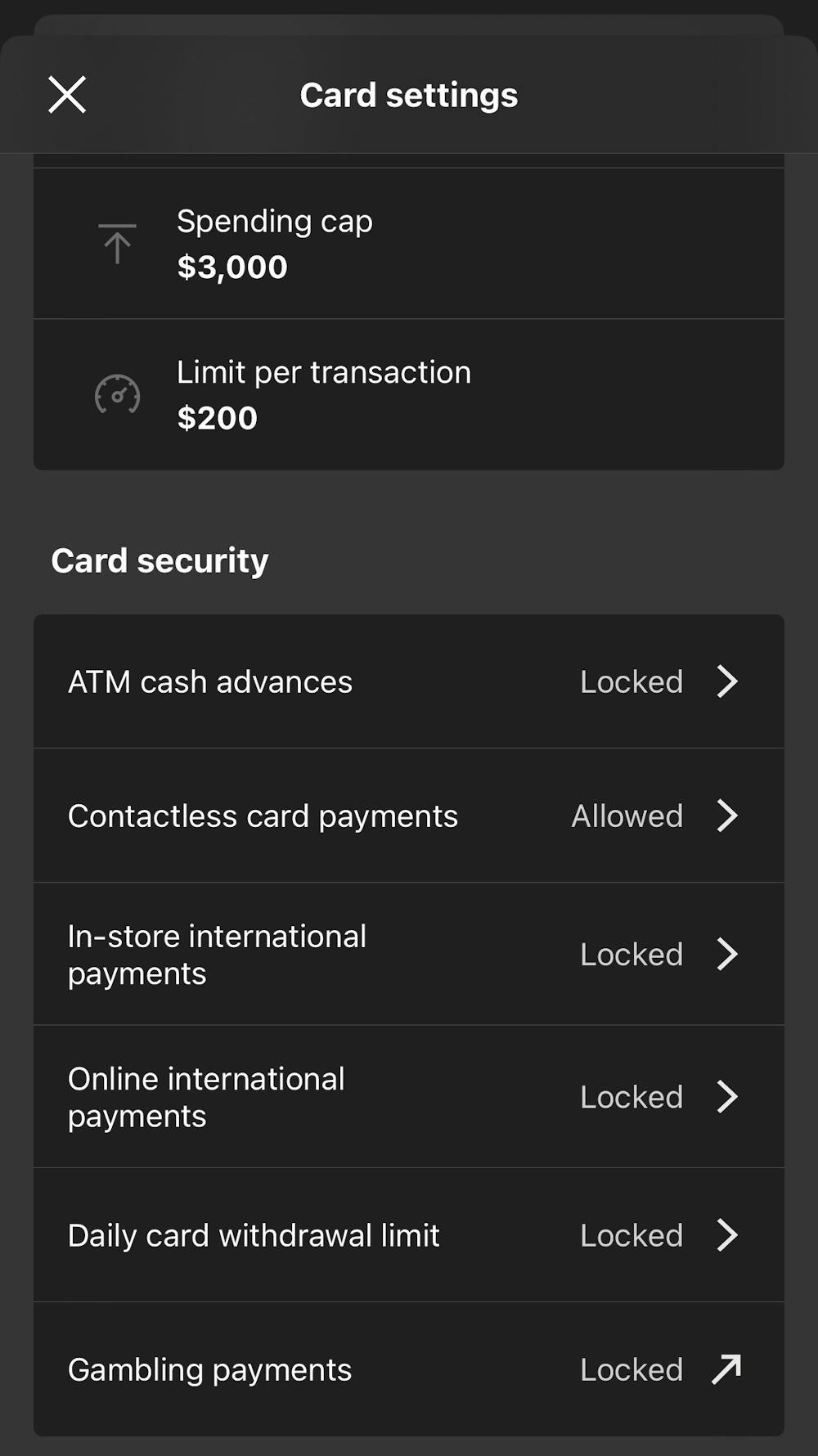
Example credit card restrictions in a banking app. Author provided
  • call your bank and get the card blocked so you won’t lose any more money. Depending on your situation, you can also block/cancel the card through your banking app or website

  • report the issue to the police or other relevant body

  • monitor your account(s) for any unusual transactions

  • explore card settings in your banking app or website – many providers allow you to limit transactions based on value, restrict transaction types or enable alerts

  • you may want to consider registering for credit monitoring services and to enable fraud alerts.

So, should I give my card details over the phone?

If you want to minimise risk, it’s best to avoid giving card details over the phone if you can. Providing your card details via a website still has risks, but at least it removes the human element.

The best solution currently available is to use virtual cards – if anything goes wrong you can cancel just that unique card identity, rather than your entire card.The Conversation

Paul Haskell-Dowland, Professor of Cyber Security Practice, Edith Cowan University and Ismini Vasileiou, Associate Professor, De Montfort University

This article is republished from The Conversation under a Creative Commons license. Read the original article.

Wednesday, 1 November 2023

Indian national in New Jersey admits defrauding companies of millions of dollars of merchandise

  • An Indian national admitted August 30, 2023, that he conspired with others to devise a scheme to defraud various telephone providers and insurance companies out of millions of dollars. A press release from U.S. Attorney’s Office for the District of New Jersey says Parag Bhavsar, 42, of Newark, NJ, carried out the fraud by using stolen or fake identities to submit fraudulent claims for replacement cellular devices and then reselling those devices outside the United States
  • Bhavsar pleaded guilty before U.S. District Judge Madeline Cox Arleo to an information charging him with one count of conspiracy to commit mail fraud and one count of conspiracy to commit interstate transfer of stolen property.
  • According to documents filed in this case and statements made in court, the press release says:
  • From June 2013 through June 2019, Bhavsar was involved in a widespread scheme to defraud cellular telephone provider and insurance companies using the U.S. Postal Service mail system, as well as other third-party mail carriers.
  • He and his conspirators used stolen and fake identities to submit false claims of lost, stolen or damaged cellular telephones, as well as other devices, in order to obtain replacement devices, the documents say.
  • Bhavsar and his conspirators maintained a network of mailboxes and storage units across the United States, including in New Jersey, where the replacement devices would be shipped and then held before being sold to third parties outside the United States.
  • The scheme resulted in millions of dollars of losses to the cellular telephone providers and insurance companies, according to the court documents and proceedings.
  • The charge of conspiracy to commit mail fraud carries a maximum potential penalty of 20 years in prison and a $250,000 fine, or twice the gain or loss from the offense, whichever is greatest.
  • The charge of conspiracy to commit interstate transfer of stolen goods carries a maximum potential penalty of five years in prison and a $250,000 fine, or twice the gain or loss from the offense, whichever is greatest.As part of the plea agreement, Bhavsar will consent to the entry of a forfeiture money judgement of $10.67 million. Sentencing is scheduled for Jan. 3, 2024.Indian national in New Jersey admits defrauding companies of millions of dollars of merchandise

Thursday, 12 October 2023

California dentist pleads guilty to stealing $500,000 in COVID-19 relief money

Ranjan Rajbanshi, D.D.S., 46, of Bakersfield and Santa Barbara, California, pleaded guilty August 21, 2023, to stealing $500,000 in COVID-19 relief money.
  • The guilty plea was announced by U.S. Attorney for the Eastern District of California Phillip A. Talbert.
  • According to the press release which quoted from court records, Rajbanshi ran a dental practice in Bakersfield and Santa Barbara.
  • From April 2020 through February 2022, he received more than $850,000 in COVID-19 relief money from the Small Business Administration (SBA) and the U.S. Department of Health and Human Services (HHS). He represented to the government that he would only use the relief money for specified business purposes such as facility costs, payroll, and protective equipment for him and his staff.
  • Rajbanshi subsequently used $500,000 of the relief money “for improper personal expenditures such as investments,” the press release said. He has agreed to pay that money back to the government before his sentencing. He is scheduled to be sentenced by U.S. District Judge Ana de Alba on Dec. 4, 2023, when he faces a maximum statutory penalty of 10 years in prison and fine of $250,000. The actual sentence, however, will be determined at the discretion of the court after consideration of any applicable statutory factors and the Federal Sentencing Guidelines, which take into account a number of variables.The Justice Department said anyone with information about allegations of attempted fraud involving COVID-19 can report it by calling the Department of Justice’s National Center for Disaster Fraud (NCDF) Hotline at 866-720-5721 or via the NCDF Web Complaint Form at justice.gov.California dentist pleads guilty to stealing $500,000 in COVID-19 relief money

Monday, 21 August 2023

At least 500 Bahrain prisoners on hunger strike, amid continuation of abuse

  • At least 500 prisoners in Bahrain are undergoing a hunger strike in what is said to be the largest such demonstration within the Gulf state’s prison system, amid authorities’ ongoing detention of prisoners of conscience. 
  • According to The Guardian newspaper, detainees began refusing food on 7 August, with increasing numbers of prisoners having joined the hunger strike throughout the following weeks.
  • In a statement from the detainees, which was released through the country’s banned Al-Wefaq opposition party, the hunger strike is being carried out with a series of demands, including an increase to the one-hour per day limit on time outside their cells, the allowance to conduct prayers in congregation at the prison mosque, relieving restrictions on family visits, improvements to education facilities, and access to proper medical and health care.
  • “These are not frivolous demands, but necessary ones required for human life,” the prisoners’ statement stressed. The demands come amid increasing reports on the commonness of Bahraini prison authorities’ denial of medical treatment to detainees, the use of solitary confinement, and various other abuses.
  • The Bahraini government denied such abuses, however, with its national communication centre telling the paper that it “is committed to protecting human rights and ensuring that international standards are met for all dealings with inmates at its reform and rehabilitation facilities.” The government insisted that the officers and other employees at Jau prison “are fully committed to dealing with inmates in accordance to the law.”
  • Authorities also claimed there were no prisoners of conscience held within its system, despite Jau prison reportedly being a site notorious for holding such prisoners and political detainees.
  • The office of Bahrain’s interior ministry ombudsman was also quoted as asserting that it has conducted investigations to “ensure the inmates obtain all their rights, whether from health care, visits or contact with their families, and are not being subjected to ill-treatment.”
  • According to Sayed Alwadaei, a former inmate at Jau prison and a figure at the Bahrain Institute for Rights and Democracy (Bird), this hunger strike “is probably one of the most powerful strikes that has ever happened inside the Bahraini prison system; the scale of it is overwhelming.”In the tiny Gulf island state, political prisoners reportedly number around 1,200, just under a third of the total prisoner population of 3,800. According to Bird, that means Bahrain has one of the highest incarceration rates per capita in the Middle East. Source: https://www.middleeastmonitor.com/

Wednesday, 16 August 2023

Three more individuals sentenced in $10 million bank fraud

Two Michigan men and an Ohio man were sentenced for their roles in a large-scale conspiracy to commit bank fraud in several states, including New Jersey, New York, Pennsylvania, Maryland, Ohio, Virginia, and Michigan. News of the sentencing was announced Jan. 20, 2023, by U.S. Attorney for New Jersey Philip R. Sellinger. Syed Abbas, 33, of Westerville, Ohio, was sentenced by videoconference on Jan. 19, 2023, to 16 months in prison. Rana Sharif, 39, of Dearborn Heights, Michigan, and Awaise Dar, 35, of Woodbridge, Virginia, were sentenced by videoconference on Jan. 16, 2023 and Jan. 17, 2023, respectively, to 20 months each in prison. All three individuals previously pleaded guilty before Chief U.S. District Judge Freda L. Wolfson to informations that charged them with conspiracy to commit bank fraud. Judge Wolfson imposed the sentences. According to documents filed in this case and statements made in court: From 2018 through April 2020, Abbas, Sharif, Dar, and others conspired to defraud several major banks and electronic merchant processors. The defendants established bank accounts associated with sham entities that had no legitimate purpose and then issued checks payable to other shell companies associated with the criminal organization, knowing that the payor accounts had insufficient funds. The conspirators also conducted numerous fraudulent credit card and debit card transactions between shell companies to credit payee accounts and fraudulently overdraw payor accounts. Members of the conspiracy also used these shell companies to execute temporary refund credits, commonly referred to as “charge-backs,” to checking accounts associated with the criminal organization, where no prior legitimate transaction had occurred. The conspirators withdrew the “existing” funds (through ATMs or bank tellers) that banks and or merchant processors had credited to the payee bank accounts at the time of the fraudulent transaction. Because the conspirators withdrew the credited funds from the payee accounts before the banks could recognize the fraudulent transactions, the banks and merchant processors were left with substantial losses. Law enforcement officials identified approximately 200 bank accounts and 75 merchant credit card processing accounts used to facilitate the conspiracy’s fraudulent schemes. The conspirators’ unlawful activities attempted to cause a $10 million loss on financial institutions and did in fact cause a loss of approximately $3.5 million. In addition to the prison term, Chief Judge Wolfson sentenced each defendant to three years of supervised release. Chief Judge Wolfson also ordered each defendant to pay restitution. Abbas was ordered to pay restitution in the amount of $530,523. Sharif was ordered to pay restitution in the amount of $2.38 million. Dar was ordered to pay restitution in the amount of $2.42 million. Abbas, Sharif, and Dar are among the nine individuals that have been sentenced in the District of New Jersey as part of the criminal scheme. Source: https://www.newsindiatimes.com/

Tuesday, 21 February 2023

CBI Court convicts 09 accused including AGM, Assistant Manager of IDBI Bank for causing 99 Lakh loss to Bank

Visakhapatnam, Feb 17: The Special Judge, CBI Cases, Visakhapatnam has convicted 9 accused including then AGM, Assistant Manager, both of IDBI Bank, 5 private persons & 2 private firms.

The Court sentenced Sri Surendranath Datti, then Assistant General Manager-cum-Centre Head, IDBI Bank Ltd., Vizag Retail Asset Centre, Siripuram Junction, Visakhapatnam to undergo two years Rigorous Imprisonment with fine of Rs.60,000/-; Sri Dwibhashyam Karthik, then Asstistant Manager, IDBI Bank Ltd., Vizag Retail Asset Centre, Siripuram Junction, Visakhapatnam to undergo two years Rigorous Imprisonment with fine of Rs.30,000/-; and private persons Sri Buddha Srinivasa Rao, Civil Contractor & Construction Business, Anakapalle, Visakhapatnam District to undergo one year Rigorous Imprisonment with fine of Rs.30,000/-; Smt Buddha Nirmala, Anakapalle, Visakhapatnam District to undergo one year Rigorous Imrisonment with fine of Rs.30,000/-; Sri Kotha Kama Raju, Panel Valuer of IDBI Bank Ltd. & Proprietor, M/s. R.K. Engineers, Visakhapatnam to undergo one year Rigorous Imprisonment with fine of Rs.20,000/-; Sri Belagam Srinivasa Rao, Panel Valuer of IDBI Bank Ltd, Visakhapatnam to undergo one year Rigorous Imprisonment with fine of Rs.20,000/- & Sri Raghupathruni Kanaka Lakshmi Prasad, Panel valuer of IDBI Bank Ltd., Srikakulam to undergo one year Rigorous Imprisonment with fine of Rs.20,000/-.

The Court has also imposed fine of Rs.60,000/- on M/s Nimble Corporate Services Private Limited, Hyderabad and Rs.30,000/- on M/s Dharshan Management, Visakhapatnam.

CBI had registered a case on the allegations that Sri Surendranath Datti, then Assistant General Manager-cum-Centre Head and Sri Dwibhashyam Karthik, then Assistant. Manager, IDBI Bank Ltd., Vizag Retail Asset Centre, Siripuram Junction, Visakhapatnam in connivance with the borrowers, Panel Valuers & others had sanctioned & disbursed the loans to ineligible borrowers by accepting fake income tax returns, ignoring adverse CIBIL Reports, violating the laid down procedures & norms of IDBI Bank and failing to ensure property security.Thus, the accused caused a total loss to the tune of Rs.99.21 lakh to the IDBI Bank Limited. Source: https://www.crosstownnews.in/

Thursday, 24 December 2020

Prominent Pakistani rights activist found dead in Canada


Pakistani human rights activist Karima Mehrab Baloch has been found dead in the Canadian city of Toronto, where she had been living for five years in exile. 

Police say they have found the body of 37-year-old Karima Baloch on Monday evening. No immediate cause of death was given by law enforcement. 

“It is currently being investigated as a non-criminal death and there are not believed to be any suspicious circumstances,” said Caroline de Kloet, a police media relations officer. 

Lateef Johar Baloch, her close friend and fellow activist who also lives in Toronto, told the BBC that Karima had recently received anonymous threats warning someone would send her a "Christmas gift" and "teach her a lesson". 

Meanwhile, Lateef Baloch told Al Jazeera by telephone, “I am with her family [and] I was there when police came to us and confirmed that they found her body.”

“It is confirmed that she is dead, and her body was found from water near Toronto.”

Karima had earlier been reported missing by Toronto police, having last been seen at about 3:00 pm local time (20:00 GMT) on Sunday in the Bay Street and Queens Quay West area, according to a police statement.

Rights groups and Pakistani rights activists, particularly those living on asylum status in foreign countries, have called for a thorough investigation into her death, alleging it may have been carried out by state actors. 

Karima was a prominent ethnic Baloch rights activist, having led the Baloch Student Organisation’s Azad faction (BSO-A), an organisation at the forefront of the political movement calling for the independence of Pakistan’s ethnic Baloch areas and documenting alleged human rights violations there.

Baloch activists, particularly those calling for independence, have been subject for years to a sustained and documented campaign of enforced disappearances and extrajudicial killings, local and international rights groups say. 

Balochistan, located in Pakistan’s southwest, is the country’s largest but least populated province and is rich in minerals and other resources. 

Baloch rights groups have long decried what they term Pakistan’s extractive policy towards the region, mining it for resources but leaving it languishing at the bottom of most socioeconomic indicators in the South Asian country. 

For more than a decade, armed ethnic Baloch groups have also been fighting a separatist war against Pakistani security forces, killing many Pakistani security forces and civilians in attacks they say are aimed at achieving independence. 

Pakistan’s military routinely denies allegations of rights abuses, saying most of the region’s “missing people” are members of armed groups who fled their homes voluntarily. 

Karima was one of the most prominent voices calling for justice for political activists who were allegedly abducted or killed by Pakistan’s intelligence services. She took over the leadership of the BSO-A after the disappearance of its previous head, Zahid Baloch, in 2014. 

In 2016, the BBC named her as one of its 100 “inspirational and influential women” for that year, citing her activism.Facing threats to her life, she fled to Canada and was granted permanent political asylum in 2017. - BBC, Aljazeera Source: https://www.daily-bangladesh.com

Wednesday, 23 December 2020

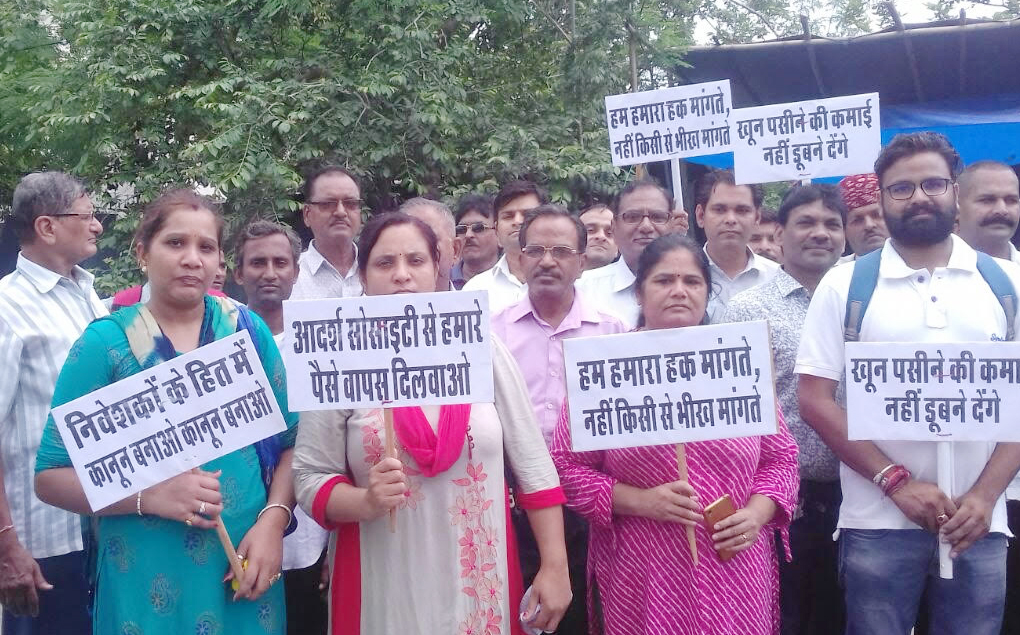
Corona to Marona! Depositors of Adarsh demand Rs 5000 cr package


Social media is flooded with posts of helpless depositors of the beleaguered Adarsh Credit Cooperative, which demand, among other things an immediate relief package. In the name of investigation, it is not appropriate to leave 21 lakh members to die of starvation, the campaign stresses.

“Nearly Rs 17000 crores were deposited by the members of the institution, in lieu of that only a relief package of Rs 5000 crores should be given, remaining amounts could be recovered by selling the properties of the society”, depositors show the way out.

“Nearly 4500 employees are starving due to the non-payment of wages. Nearly 5 lakh agents’ families are starving. Innocent employees and agents are being persecuted’, wails the posts.

”Our Prime Minister has emerged as the world’s number one leader due to Corona. The corona will be over in a few days, but we have been reduced to the status of marona (must die). We see a world leader in Modi and appeal to him to save us”.

Currently under liquidation, Adarsh depositors have preferred the role of Administrator who can get them their deposits sooner than later.

They demand that the Central registrar should order state and district level registrars to appoint administrators wherever Adarsh Credit Co-op Banks have failed. This way, at least the process of recovery would be put in place, they argue.

The tragedy is that even the recovery from those who took loans from the society has stopped. The money belongs to the general public numbering lakhs, who are condemned to penury. “Many people committed suicide, a few have suffered heart attack, someone’s marriage has broken up while someone could not pursue higher education, some even lost life without treatment”, the social media posts read.

In one such post, being tweeted and retweeted, the depositors say that “Since the interest rate of the banks has been reduced, people gravitate towards cooperative societies as they offer them high interest on their deposits.

They also say that even Adarsh Credit Cooperative Society had been giving good interest and employment to people for almost 20 years. Nearly 21 lakh people paid dividends at the rate of 16 percent. In the whole country, above 400 of its branches were working successfully.

“Justice received late is also an injustice. Please share it as much as possible and reach the Central Government”, goes on the campaign. Source: https://www.indiancooperative.com/

Monday, 21 December 2020

आदर्श क्रेडिट के एमडी राहुल और संरक्षक मुकेश माेदी प्रोडक्शन वारंट पर गिरफ्तार


अंबामाता थाना पुलिस जयपुर जेल से लाई, सुखेर-सूरजपाेल में भी दर्ज हैं धाेखाधड़ी के केस आदर्श क्रेडिट काे-ऑपरेटिव साेसायटी के एमडी राहुल माेदी और संरक्षक मुकेश माेदी काे अंबामाता पुलिस ने जयपुर जेल से प्राेडक्शन वारंट पर गिरफ्तार किया है। पूछताछ कर शुक्रवार काे काेर्ट के आदेश पर दोनों को वापस जेल भेजा गया। इनके खिलाफ सुखेर और सूरजपाेल थाने में भी धाेखाधड़ी के मुकदमे दर्ज हैं। अब दाेनाें थाना पुलिस भी प्राेडक्शन वारंट से पूछताछ के लिए गिरफ्तार कर सकती है। अनुसंधान अधिकारी सुल्तान सिंह ने बताया कि 10 सितंबर 2019 काे ओमप्रकाश उपाध्याय, दया भटनागर और मंजू डांगी ने दाेनाें अभियुक्ताें के खिलाफ रिपाेर्ट दर्ज कराई थी। उन्हाेंने बताया था कि फतहपुरा स्थित आदर्श क्रेडिट काॅ-ओपरेटिव कार्यालय में निवेश कर एफडी कराई थी। एफडी परिपक्व की स्टेज पर थी ताे कार्यालय पहुंचे ताे बंद मिला। दाेनाें अभियुक्ताें ने 9.60 लाख रुपए की धाेखाधड़ी की। सुल्तान सिंह ने बताया कि रिपाेर्ट दर्ज हाेने के बाद अनुसंधान शुरु किया था। पता चला था कि एसओजी जयपुर ने दाेनाें अभियुक्ताें काे गिरफ्तार किया था। रिकाॅर्ड देखे ताे पता चला कि आदर्श क्रेडिट काॅ-ओपरेटिव साेसायटी का यूआईटी पुलिया स्थित एक्सिस बैंक में खाता है। कार्यालय में जाे भी एफडी के रूप में राशि जमा कराते थे ताे वह राशि एक्सिट बैंक के खाते में आती थी। इस राशि काे अहमदाबाद उस्मानपुरा स्थित हेड ऑफिस में राशि लाते थे और फिर अलग-अलग जगहाें पर जमीन खरीद निवेश करते थे। 15 राज्याें में वांटेड है दोनों दाेनाें अभियुक्त धाेखाधड़ी के मामलाें में 15 राज्याें में वांटेड है। इन्हाेंने कई जगहाें पर निवेश कर राशि नहीं लाैटाई और उस राशि का उपयाेग जमीनें खरीदने में किया। इनके खिलाफ सूरजपाेल और सुखेर थाने में भी मुकदमे दर्ज है। अंबामाता थाने में परिवादियाें की साझा रिपाेर्ट दर्ज की थी। Source: https://www.bhaskar.com/

14 हजार करोड़ के गबन का मामला:आदर्श घाेटाले के 11 आरोपियों काे जयपुर जेल से गिरफ्तार कर लाई खांडा फलसा पुलिस


19 प्रकरणाें में 2 साल से थे वांछित 5 दिन के रिमांड पर लेकर पूछताछ कर रही पुलिस देशभर में 14 हजार करोड़ रुपए का घोटाला करने वाली आदर्श क्रेडिट को-ऑपरेटिव सोसायटी से जुड़े 11 आरोपियों को खांडा फलसा पुलिस जयपुर जेल से प्रोडक्शन वारंट पर गिरफ्तार कर जोधपुर लाई है। इन सभी को रविवार को कोर्ट में पेश कर पांच दिन के रिमांड पर लिया गया। खांडा फलसा थाने में सोसायटी के खिलाफ 19 प्रकरण दर्ज है, जो पिछले दो सालों से लंबित है। फिलहाल इन मामलों को लेकर सभी से पूछताछ की जा रही है। थानाधिकारी दिनेश लखावत ने बताया कि चौहाबो सेक्टर-17 निवासी ललित कुमार व्यास ने सबसे पहले वर्ष 2019 में आदर्श क्रेडिट कॉपरेटिव सोसायटी के पदाधिकारियों के खिलाफ रिपोर्ट दर्ज करवाई थी। इसके बाद 18 और प्रकरण दर्ज किए गए। मामले में काफी लोगों को एसओजी ने गिरफ्तार कर जेल भिजवाया था। अब प्रकरणों की जांच के लिए पुलिस को आदेश जारी हुए है। इस पर 11 आरोपियों को जयपुर जेल से प्रोडक्शन वारंट पर गिरफ्तार किया गया। इन्हें गिरफ्तार कर लाया गया सोसायटी से जुड़े सुनारवाड़ा सिरोही निवासी समीर पुत्र भरत मोदी, भरत पुत्र देवीचंद मोदी, देवनगरी सिरोही निवासी विवेक पुत्र प्रकाशचंद्र पुरोहित, मोदी लाइन सिरोही निवासी रोहित पुत्र वीरेंद्र मोदी, आदर्श नगर रोड सिरोही निवासी भरतदास पुत्र मानदास वैष्णव, वैशालीनगर जयपुर निवासी राजेश्वरसिंह पुत्र महावीरसिंह, भगत की कोठी जोधपुर निवासी वैष्णव पुत्र दिनेश कुमार लोढ़ा, सोसायटी के अध्यक्ष आदर्श नगर सिरोही निवासी ईश्वरसिंह सिंदल पुत्र रणजीतसिंह, वीरेंद्र पुत्र प्रकाशराज मोदी, बांद्रा मुंबई निवासी प्रियंका पत्नी वैभव मोदी और गोरा छपरा माउंटआबू निवासी ललिता पुरोहित पुत्री हिम्मतसिंह राजपुरोहित को जयपुर जेल से प्रोडक्शन वारंट पर गिरफ्तार किया गया।Source: https://www.bhaskar.com/ 

Tuesday, 15 December 2020

‘Killing of Irani scientist is insane, provocative and illegal’


Top US senator Bernie Sanders has strongly condemned the assassination of Mohsen Fakhrizadeh, a prominent Iranian physicist, saying that the murder is illegal and “an attempt to thwart the possibility of Iran’s negotiation with the new US administration.”

In a Twitter message on Saturday, Sanders said the assassination of Mohsen Fakhrizadeh was insane, provocative and illegal. 

“A new US administration is set to take power, and the assassination makes it clear that it is a move to thwart a possible diplomatic process between Iran and the United States,” he said. 

However, we should not allow such incidents to happen at all. Not murder but the diplomatic way is the best way forward, Bernie Sanders added.

Meanwhile, John Bolton, a former U.S. Ambassador to the United Nations and national security adviser to US President Donald Trump, has backed the assassination of Iranian scientist Fakhrizadeh. He asserted that the killings are justified in order to thwart the possibility of Iran building an atomic bomb. Source: https://www.daily-bangladesh.com/

83 more Taliban killed in clashes with Afghan forces


At least 83 more Taliban members have been killed in the last 24 hours in the raid carried out by government forces in two Afghanistan provinces. Another 18 people were injured in the incident. The casualties occurred in Kandahar and Ghazni provinces. 

Earlier on Sunday, the country's authorities said that at least 63 Taliban members had been killed and 29 others wounded in a three-day military operation in the southern Taliban-held province of Kandahar. 

The Afghan army said in a statement that the casualties occurred during a four-day operation against the Taliban in Kandahar. 

Meanwhile, the Afghan Defense Ministry said in a statement that the operation led by the air force was carried out in the city of Kandahar and five surrounding districts. After signing the so-called peace agreement with the Taliban, the process of withdrawing US troops from the country recently. In such a situation, there were reports of clashes between the Afghan army and the Taliban. Earlier, US forces deployed in Afghanistan carried out airstrikes on Taliban positions in Kandahar on Saturday. Source:https://www.daily-bangladesh.com/

Man kills 9 people contacting them on Twitter, sentenced to death


A Japanese man who murdered nine people after contacting them on social media site Twitter has been sentenced to death, in a high-profile case that has shocked the country. 

Takahiro Shiraishi, dubbed the "Twitter killer", was arrested in 2017 after body parts were found in his flat.

He had pleaded guilty to the crime in October, saying the allegations against him "are all correct". 

Eight of his victims were female, one of them aged 15.

His lawyers had earlier argued that his charges should have been reduced, claiming his victims had been suicidal and gave consent to be killed.The 30-year-old had lured his victims by telling them he could help them die and in some cases claimed he would kill himself alongside them. - BBC Source: https://www.daily-bangladesh.com

Monday, 14 December 2020

Pak violates ceasefire in two sectors along LoC and IB in J&K


DEC 13, 2020 JAMMU: Pakistani troops violated ceasefire by resorting to unprovoked firing and mortar shelling on forward posts and villages in two sectors along the Line of Control (LoC) and International Border (IB) in Jammu and Kashmir''s Poonch and Kathua districts, officials said on Sunday. Indian forces retaliated befittingly to silence the Pakistani guns, the officials said, adding that there was no report of any casualty on the Indian side. "At about 5.45 pm (Sunday), Pakistan (Army) initiated unprovoked ceasefire violation by firing with small arms and shelling mortars along the LoC in Degwar sector of Poonch," a defence spokesman said. He said the Indian army retaliated befittingly and the cross-border shelling between the two sides was going on when last reports were received. Pakistani Rangers also opened fire on forward posts and villages along the IB in Kathua district of Jammu region, the officials said. They said the firing from across the border in the Pansar border outpost area in Hiranagar sector started around 10 pm on Saturday, drawing strong and effective retaliation from the Border Security Force (BSF). The cross-border firing between the two sides continued till 3.45 am on Sunday, forcing border residents to spend the night in underground bunkers, the officials said. Copyright © Jammu Links News, Source: Jammu Links News

Sunday, 13 December 2020

3 कोऑपरेटिव सोसाइटियों में 17 हजार करोड़ का फ्रॉड, एक संचालक की बेटी की सैलरी मुकेश अंबानी से भी 75 लाख रुपए ज्यादा


  • राजस्थान की 3 सोसाइटियों के खिलाफ एसओजी की 96 हजार पेज की चार्जशीट पर भास्कर का सबसे बड़ा खुलासा

  • आदर्श क्रेडिट साेसाइटी के 20 लाख निवेशकों से धोखाधड़ी, यह देश का सबसे बड़ा कोऑपरेटिव घोटाला: पुलिस

जयपुर (बाबूलाल शर्मा/राजेंद्र गौतम). आदर्श क्रेडिट सोसाइटी ने 8 साल में 20 लाख लोगों से 14682 करोड़ निवेश करवाए। संचालक मुकेश मोदी की पत्नी मीनाक्षी और बेटी प्रियंका के खातों में बतौर सैलरी-कमीशन के 795 करोड़ रु. ट्रांसफर हुए। पूरे परिवार की बात करें तो 990 करोड़ रु. आपस में बांटे गए। हैरानी वाली बात यह है कि प्रियंका को 3 साल में 75 करोड़ रु. वेतन दिया गया। यानी हर माह करीब दो करोड़ रुपए, जबकि देश के सबसे अमीर उद्योगपति रिलायंस ग्रुप के प्रमुख मुकेश अंबानी को हर माह करीब 1.25 करोड़ रु. मिलते हैं।

एसओजी ने राजस्थान की ऐसी 3 क्रेडिट सोसाइटियों आदर्श, संजीवनी और नवजीवन क्रेडिट सोसाइटी के खिलाफ चार्जशीट पेश की है। भास्कर टीम ने करीब 17 हजार करोड़ का घोटाला करने वाली इन 3 क्रेडिट सोसाइटियों के खिलाफ दायर कुल 96 हजार पेज की चार्जशीट खंगाली तो पता चला कि कैसे जनता का पैसा हड़पने के लिए चालें चलीं।

आदर्श क्रेडिट सोसाइटी ने 28 राज्यों में 806 शाखाएं खोलीं, इनमें से 309 राजस्थान में थीं। लोगों को झांसा दिया कि उनकी निवेश की हुई रकम कंपनियों व लोगों को 22% की ऊंची ब्याज दर पर लोन के रूप में दिया जा रहा है। इस झांसे में आकर 8 साल में 20 लाख लोगों ने 14800 करोड़ रुपए का निवेश सोसाइटी में किया। इनके संचालकों ने रिश्तेदारों के नाम पर ही 45 फर्जी कंपनियां खोलीं और सोसाइटी में निवेश की गई रकम में से 12414 करोड़ रुपए इन्हीं फर्जी कंपनियों को बतौर लोन देना दर्शा दिया। सोसाइटी में लगे लोगों के पैसे से संचालकों ने पूरे देश में संपत्ति खरीदी।

आदर्श के निदेशकों की तनख्वाह मुकेश अंबानी से ज्यादा
देश के सबसे बड़े कॉरपोरेट समूह माने जाने वाले रिलायंस ग्रुप के प्रमुख मुकेश अंबानी ने अपनी सालाना तनख्वाह 15 करोड़ फिक्स कर रखी है। यानी महीने के 1.25 करोड़ रुपए। उनके बोर्ड में वर्ष 2018-19 में सबसे ज्यादा तनख्वाह पाने वाले निदेशकों को भी सालाना 20.75 करोड़ रुपए मिले। जबकि आदर्श क्रेडिट सोसाइटी में काम कर रही संचालक मुकेश मोदी की पुत्री प्रियंका को तीन साल में 75 करोड़ रुपए बतौर तनख्वाह दिए गए। यानी प्रतिमाह 2 करोड़ रुपए। वहीं मुकेश मोदी के बेटों व अन्य निदेशकों को तीन साल में बतौर तनख्वाह 270 करोड़ रुपए दिए गए। यही नहीं, संचालक की पत्नी मीनाक्षी को तीन साल में लोन के कस्टमर लाने के नाम पर बतौर कमीशन 720 करोड़ का पेमेंट किया गया।

यह देश का सबसे बड़ा कोऑपरेटिव क्राइम

एसओजी की अपराध शाखा के प्रमुख सत्यपाल मिड्‌ढा के मुताबिक, आदर्श क्रेडिट साेसायटी घोटाले में 20 लाख निवेशकों के साथ धोखाधड़ी हुई है। मुझे लगता है कि यह देश का सबसे बड़ा कोऑपरेटिव क्राइम है। चिंताजनक यह है कि संचालक, उनकी पत्नी और बेटी के खातों में ही बतौर वेतन और कमीशन के 790 करोड़ जमा करा लिए गए। 45 फर्जी कंपनियां बनाकर घाेटाला किया गया।

आदर्श क्रेडिट सोसाइटी: 20 लाख निवेशक

40 हजार पेज की चार्जशीट
14682 करोड़ का घोटाला

संजीवनी क्रेडिट सोसाइटी: 2 लाख निवेशक

37 हजार पेज की चार्जशीट
1100 करोड़ का घोटाला

नवजीवन क्रेडिट सोसाइटी: 1.9 लाख निवेशक

19 हजार पेज की चार्जशीट
500 करोड़ का घोटाला

Gunmen kill 34 people in west Ethiopia


  • Gunmen killed at least 34 people in a "gruesome" attack on a passenger bus in west Ethiopia, a part of the country that has recently seen a spate of deadly assaults on civilians, the national human rights body said Sunday.
  • The Ethiopian Human Rights Commission (EHRC) said in a statement that "the estimated number of casualties, currently at 34, is likely to rise" from the attack which occurred Saturday night in the Benishangul-Gumuz region.
  • A spokesman for the commission, an independent government body, confirmed that the casualties were all deaths.
  • The EHRC statement said the bus attack occurred in the Debate administrative area, and that "there are reports of similar attacks" in three other areas, as well as "of persons who have fled to seek shelter".
  • Prime Minister Abiy Ahmed's government has provided scant information on recent violence in Benishangul-Gumuz, particularly in Metekel zone, where Debate is located.
  • Twelve people were killed in an attack in the zone in October, while 15 died in a similar attack in late September.Addressing lawmakers in October, Abiy said fighters responsible for the killings were receiving training and shelter in neighbouring Sudan and that Khartoum's assistance was needed to stabilise the area. Source: https://www.daily-bangladesh.com

IC Exclusive: Adarsh Liquidator cannot act due to ED attachment

.Subscribe

H S Patel, the man who is at the centre of attention of lakhs of depositors of the beleaguered Adarsh Credit Co-operative has talked to Indian Cooperative explaining the challenges being faced by him in doing justice to the job on hand-that is an amicable resolution of the dispute of Adarsh Credit Cooperative Society.

Because of account freezes and properties attached by several probe agencies, H S Patel, IAS (Retd.), who had been appointed as the liquidator in the beleaguered Adarsh Credit Cooperative Society finds himself helpless to pay back the money of gullible investors.

In a telephonic communication with Indian Cooperative correspondent Patel said, “I find difficulty in winding up of fraudulent Adarsh Credit Co-operative because Enforcement Directorate and other probe agencies have attached properties and frozen accounts of the society. Due to this I am unable to sell/auction properties to pay back the money of investors”, he added.

“Three months back I had written a letter to the concerned authorities including Central Registrar, Secretary of Ministry of Corporate affairs and others for releasing the attached properties but I am still waiting for the response from the authorities”, Patel said.

He further said when the government of India releases the attached properties only then can I act. Nothing can be done prior to this as I am helpless.

Earlier, in an interview given to one of the leading Hindi Daily newspapers, Union Agriculture Minister Narendra Singh Tomar claimed that the liquidator is appointed and he is doing his work according to the rules and regulations. However, the reality on the ground is just the opposite: the liquidator finds himself helpless about paying back the money of investors.

It bears recall that last year in October, ED had attached the properties worth Rs 1,489 crore of Adarsh Credit Co-op Society.

Meanwhile, helpless depositors urged the central government to remove the liquidator and appoint a regulator to take care of the credit cooperative. They have also demanded an immediate relief package of Rs 5k crore.

Mukesh Modi the founder chairman of Adarsh Adarsh Credit Co-op and his family members are alleged to have run Ponzi schemes and floated several fake companies to which they diverted Rs 8400 crore.

Due to their mismanagement, gullible investors are forced to run from pillar to post to get back their hard-earned savings. They have also met Union Agriculture Minister Narendra Singh Tomar and have also submitted a memorandum at PMO.

Beginning in Sirohi in Rajasthan, Adarsh Credit branched off to Haryana and Gujarat with its headquarters in Ahmedabad. More than seventy percent of investors are said to belong to Rajasthan.

Twenty lakh people invested Rs 14,682 crore over 8 years in Adarsh credit society. Source: https://www.indiancooperative.com/