bloggggg

Home  |  Live  |  Science  |  Lifestyle  |  Entertainment  |  Broadcast  |  Games  |  eBooks  |  Astounds  |  Adbite  |  Cricbell  |  Cyber  |  Idea  |  Digital  |  Privacy  |  Publish  |  ePaper  |  Contact  .Subscribe.Subscribe.Subscribe.Subscribe.Subscribe.Subscribe.Subscribe.Subscribe.Subscribe
Subscribe

Sunday, 24 March 2024

Can animals give birth to twins?


Ask any parent – welcoming a new baby to the family is exciting, but it comes with a lot of work. And when the new addition is a pair of babies – twins – parents really have their work cut out for them.

For many animal species it’s the norm to have multiple babies at once. A litter of piglets can be as many as 11 or more!

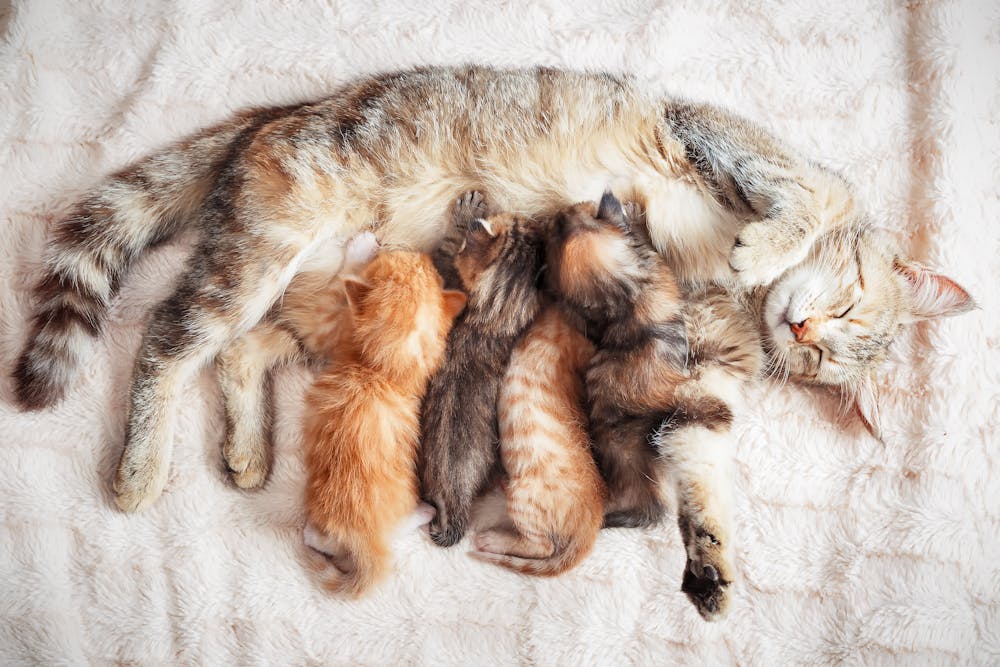
We are faculty members at Mississippi State University College of Veterinary Medicine. We’ve been present for the births of many puppies and kittens over the years – and the animal moms almost always deliver multiples.

But are all those animal siblings who share the same birthday twins?

Twins are two peas in a pod

Twins are defined as two offspring from the same pregnancy.

They can be identical, which means a single sperm fertilized a single egg that divided into two separate cells that went on to develop into two identical babies. They share the same DNA, and that’s why the two twins are essentially indistinguishable from each other.

Twins can also be fraternal. That’s the outcome when two separate eggs are fertilized individually at the same time. Each twin has its own set of genes from the mother and the father. One can be male and one can be female. Fraternal twins are basically as similar as any set of siblings.

Approximately 3% of human pregnancies in the United States produce twins. Most of those are fraternal – approximately one out of every three pairs of twins is identical.

Multiple babies from one animal mom

Each kind of animal has its own standard number of offspring per birth. People tend to know the most about domesticated species that are kept as pets or farm animals.

One study that surveyed the size of over 10,000 litters among purebred dogs found that the average number of puppies varied by the size of the dog breed. Miniature breed dogs – like chihuahuas and toy poodles, generally weighing less than 10 pounds (4.5 kilograms) – averaged 3.5 puppies per litter. Giant breed dogs – like mastiffs and Great Danes, typically over 100 pounds (45 kilograms) – averaged more than seven puppies per litter.

When a litter of dogs, for instance, consists of only two offspring, people tend to refer to the two puppies as twins. Twins are the most common pregnancy outcome in goats, though mom goats can give birth to a single-born kid or larger litters, too. Sheep frequently have twins, but single-born lambs are more common.

Horses, which are pregnant for 11 to 12 months, and cows, which are pregnant for nine to 10 months, tend to have just one foal or calf at a time – but twins may occur. Veterinarians and ranchers have long believed that it would be financially beneficial to encourage the conception of twins in dairy and beef cattle. Basically the farmer would get two calves for the price of one pregnancy.

But twins in cattle may result in birth complications for the cow and undersized calves with reduced survival rates. Similar risks come with twin pregnancies in horses, which tend to lead to both pregnancy complications that may harm the mare and the birth of weak foals.

DNA holds the answer to what kind of twins

So plenty of animals can give birth to twins. A more complicated question is whether two animal babies born together are identical or fraternal twins.

Female dogs and cats ovulate multiple eggs at one time. Fertilization of individual eggs by distinct spermatazoa from a male produces multiple embryos. This process results in puppies or kittens that are fraternal, not identical, even though they may look very much the same.

Biologists believe that identical twins in most animals are very rare. The tricky part is that lots of animal siblings look very, very similar and researchers need to do a DNA test to confirm whether two animals do in fact share all their genes. Only one documented report of identical twin dogs was confirmed by DNA testing. But no one knows for sure how frequently fertilized animal eggs split and grow into identical twin animal babies.

And reproduction is different in various animals. For instance, nine-banded armadillos normally give birth to identical quadruplets. After a mother armadillo releases an egg and it becomes fertilized, it splits into four separate identical cells that develop into identical pups. Its relative, the seven-banded armadillo, can give birth to anywhere from seven to nine identical pups at one time.

There’s still a lot that scientists aren’t sure about when it comes to twins in other species. Since DNA testing is not commonly performed in animals, no one really knows how often identical twins are born. It’s possible – maybe even likely – that identical twins may have been born in some species without anyone’s ever knowing.


Hello, curious kids! Do you have a question you’d like an expert to answer? Ask an adult to send your question to CuriousKidsUS@theconversation.com. Please tell us your name, age and the city where you live.

And since curiosity has no age limit – adults, let us know what you’re wondering, too. We won’t be able to answer every question, but we will do our best.The Conversation

Michael Jaffe, Associate Professor of Small Animal Surgery, Mississippi State University and Tracy Jaffe, Assistant Clinical Professor of Veterinary Medicine, Mississippi State University

This article is republished from The Conversation under a Creative Commons license. Read the original article.

Thursday, 23 July 2020

Genome clue to rice grain size and weight

  • Researchers have designed a disposable, paper-based sensor that can detect traces of meningitis-causing bacterium1. This sensor will potentially be useful for diagnosing this fatal disease at an early stage.
  • Among pathogens, the bacterium Neisseria meningitidis is the major cause of meningitis. It affects the membranes that surround the brain and the spinal cord. Existing techniques for detecting this bacterium are complex and expensive.
  • Scientists from the CSIR-Central Electrochemical Research Institute in Tamil Nadu and the Amity University in Uttar Pradesh, both in India, made the low-cost sensor by depositing specific quantum dots on a cellulose paper.
  • They then attached a probe DNA to the dot-attached paper. The probe DNA was added for capturing target DNA from the meningitis-causing bacterium. Such binding generates an electrical signal – a change in peak current that indicates the presence of the bacterium.
  • The sensor’s efficiency was tested by separately exposing it to the target DNA and a non-target DNA. On binding to the target DNA, the sensor exhibited a decrease in peak current. However, its peak current didn’t change when it bound itself to the non-target DNA.
  • The sensor also detected the presence of meningitis-causing bacteria in artificially prepared serum and brain-fluid samples.
  • Besides being stable for two weeks, the sensor displayed good sensitivity when used five times in a row. It is potentially useful for designing portable devices for onsite monitoring of meningitis, says Subbiah Alwarappan, one of the researchers.References
  • 1. Gupta, R. et al. Tungsten disulfide quantum dots based disposable paper based lab on genochip for specific meningitis DNA detection. J. Electrochem. Soc.167, 107501 (2020) 
  • Source: https://www.natureasia.com

Monday, 20 July 2020

Potential therapies for dementia and amyotrophic lateral sclerosis

  • Neuroscientists have deciphered how genetic mutations in a specific gene lead to the generation of a toxic protein that destroys neurons in brain regions responsible for memory and movements1. 
  • These mutations, they say, eventually cause amyotrophic lateral sclerosis (ALS) and dementia in adult humans. They add that this knowledge may provide clues to the development of therapies for ALS and dementia.
  • The mutations happen in the C9orf72 gene, which encodes a protein in various tissues, including in the nerve cells in the outer layers of the brain. This gene contains a segment of DNA made up of a series of six DNA building blocks. When the number of such DNA segments exceeds 25, their presence negatively affects the function of the gene. It is still not clear how such a mutated gene triggers the diseases.
  • To find out, the scientists, including an Indian researcher from the Kasturba Medical College, Manipal Academy of Higher Education in Manipal, India, has expressed the C9orf72 gene bearing 66 such DNA segments in mice. They found that the mice faced early death. Mice expressing the C9orf72 gene with 450 DNA segments developed cognitive deficits, and lost neurons in the brain region that is responsible for memory and in other parts of the body.
  • The C9orf72 gene encodes the C9ORf72 protein, which plays roles in autophagy, a process that cells utilise to degrade and remove damaged parts of cytoplasm. When this gene accumulates mutations, it generates a defective form of the protein that is toxic and reduces autophagy, triggering the death of nerve cells.
  • The researchers say trials are under way to target and prevent the formation of the toxic protein that causes ALS and dementia. 
  • References: 1. Zhu, Q. et al. Reduced C9ORF72 function exacerbates gain of toxicity from ALS/FTD-causing repeat expansion in C9orf72. Nat. Neurosci. (2020) doi: Source: https://www.natureasia.com

Sunday, 5 July 2020

Scientists in Brazil discover mysterious virus with unknown genealogy

  • Scientists in Brazil have identified a new virus strain that has never before been documented and whose genes are unfamiliar to the scientific world. The mysterious virus with no known genes has been found in Lake Pampulha, an artificial lake in the Brazilian city of Belo Horizonte.
  • Researchers have named the enigmatic virus Yaravirus, after Yara – or Iara, a water-queen figure in Brazilian mythology. 
  • Yaravirus (Yaravirus brasiliensis) constitutes "a new lineage of amoebal virus with a puzzling origin and phylogeny," the research team stated in a new pre-print paper about the discovery.
  • Two of the senior members of that team – virologists Bernard La Scola from Aix-Marseille University in France, and Jônatas S Abrahão from Brazil's Federal University of Minas Gerais – ought to know what they're talking about.
  • Two years ago, the pair helped to discover another water-dwelling viral novelty: Tupanvirus, a giant virus found in extreme aquatic habitats.
  • Giant viruses, as opposed to the regular variety, are so-called because of their huge capsids (protein shells that encapsulate virions - virus particles).
  • These much larger viral forms also possess more complex genomes, giving them the ability to synthesise proteins, and therefore perform things like DNA repair, plus DNA replication, transcription, and translation.
  • Prior to their discovery, it was thought that viruses couldn't do things like that, being regarded as relatively inert, non-living entities, only capable of infecting their hosts.
  • Recent research has found viruses as much more complex than was once believed, and in recent years, scientists have uncovered other kinds of viral forms that find new and unusual ways of spreading and infecting.
  • Yaravirus if composed of small 80 nm-sized particles, but their genes are unique.
  • "Most of the known viruses of amoeba have been seen to share many features that eventually prompted authors to classify them into common evolutionary groups," the authors write.
  • "Contrary to what is observed in other isolated viruses of amoeba, Yaravirus is not represented by a large/giant particle and a complex genome, but at the same time carries an important number of previously undescribed genes."
  • In their investigations, the researchers found over 90 percent of Yaravirus genes had never been described before, constituting what are known as orphan genes (aka ORFans).
  • Only six genes found bore a distant resemblance to known viral genes documented in public scientific databases, and a search through over 8,500 publicly available metagenomes offered no clues as to what Yaravirus might be closely related to.
  • "Using standard protocols, our very first genetic analysis was unable to find any recognisable sequences of capsid or other classical viral genes in Yaravirus," the researchers explain.
  • "Following the current metagenomic protocols for viral detection, Yaravirus would not even be recognised as a viral agent."
  • As for what Yaravirus actually is then, the scientists can only speculate for now, but suggest it could be the first isolated case of an unknown group of amoebal virus, or potentially a distant kind of giant virus that may somehow have evolved into a reduced form.
  • Either way, it's clear we still have an awful lot to learn, the researchers say.
  • "The amount of unknown proteins composing the Yaravirus particles reflects the variability existing in the viral world and how much potential of new viral genomes are still to be discovered," the authors conclude.
  • The findings are reported in bioRxiv.Source: https://www.domain-b.com

Thursday, 20 June 2013

US Supreme Court says human DNA cannot be patented

Human genes may not be patented, but artificially copied DNA can be claimed as intellectual property, the US Supreme Court has ruled unanimously. The court quashed patents held by a Utah-based firm on two genes linked to breast and ovarian cancer. The opinion said DNA came from nature and was not eligible for patenting. The US biotechnology industry had warned any blanket ban on such patents would jeopardise huge investment in gene research and therapies. Source: SAM Daily Times

Sunday, 6 January 2013

Joseph Murray, the Kidney transplant pioneer died

Dr. Joseph E. Murray, who performed the world’s first successful kidney transplant died at the age of 93. He had won a Nobel Prize for his pioneering work. Murray shared the Nobel Prize in Physiology or Medicine in 1990 with Dr. E. Donnall Thomas, who won for his work in bone marrow transplants. In the early 1950s, there had never been a successful human organ transplant. Murray and his associates at Boston’s Peter Bent Brigham Hospital, now Brigham and Women’s Hospital, developed new surgical techniques, gaining knowledge by successfully transplanting kidneys on dogs. In December 1954, they found the right patients, 23-year-old Richard Herrick, who had end-stage kidney failure, and his identical twin, Ronald Herrick. Because of their identical genetic background, they did not face the
Dr. Joseph E. Murray (at center facing camera), is seen performing the first successful organ transplant 
at Peter Bent Brigham Hospital in Boston on Dec. 23, 1954.
big problem with transplant patients, the immune system’s rejection of foreign tissue. After the operation, Richard had a functioning kidney transplanted from Ronald. Richard lived another eight years. Murray performed more transplants on identical twins over the next few years and tried kidney transplants on other relatives, including fraternal twins, learning more about how to suppress the immune system’s rejection of foreign tissue. In 1962, Murray and his team successfully completed the first organ transplant from an unrelated donor. The 23-year-old patient, Mel Doucette, received a kidney from a man who had died. Source: eNLokam

Saturday, 29 December 2012

Chinese scientists create brain cells from urine

More news on the stem cell front (not the embryonic kind). Chinese scientists have created brain cells from urine. Since there is no shortage of this and since collecting it is not invasive, their technique is very promising. It might be possible to treat patients with Alzheimer’s disease or Parkinson’s disease – which has been the Holy Grail of stem cell research. Writing in the journal Nature Methods, scientists from Guangzhou Institutes of Biomedicine and Health, part of the Chinese Academy of Sciences, said that they were able to reprogram the urine cells to become neural cells without passing through pluripotency. They did this with a clever technique which did not involve shuttling genes from genetically engineered viruses into the target cell. This seems to result in harmful mutations. Source: Bio-Edge

Wednesday, 28 November 2012

Scientists find mechanism behind origin of life on Earth

Researchers have found that a 'molecular  network'  with  self - perpetuating capability may have triggered a possible mechanism by which life got a foothold on the early Earth. Recent mathematical research sheds light on a possible mechanism by which life may have gotten a foothold in the chemical soup that existed on the early Earth. Researchers have proposed several competing theories for how life on Earth could have gotten its start, even before the first genes or living cells came to be. Despite differences between various proposed scenarios, one theme they all have in common is a network of molecules that have the ability to work together to jumpstart and speed up their own replication two necessary ingredients for life. However, many researchers find it hard to imagine how such a molecular network could have formed spontaneously with no precursors ¿ from the chemical environment of early Earth. "Some say it's equivalent to a tornado blowing through a junkyard and assembling the random pieces of metal and plastic into a Boeing 747," said co-author Wim Hordijk from the National Evolutionary Synthesis Center in Durham, N Carolina. In a previous study, Hordijk and colleague Mike Steel of the University of Canterbury in New Zealand used a mathematical model of simple chemical reactions to show that such networks might form more easily than many researchers thought. Indeed, biochemists have recently created such networks in\ the lab. In a new study, Hordijk, Steel and Stuart Kauffman from the University of Vermont analysed the structure of the networks in their mathematical models and found a plausible mechanism by which they could have evolved to produce the building blocks of life we know today, such as cell membranes or nucleic acids. "It turns out that if you look at the structure of the networks of molecules [in our models], very often they're composed of smaller subsets of molecules with the same self-perpetuating capabilities," Hordijk said. By combining, splitting, and recombining to form new types of networks from their own subunits, the models indicate that these subsets of molecules could give rise to increasingly large and complex networks of chemical reactions, and, presumably, life. "These results could have major consequences for how we think life may have originated from pure chemistry," Hordijk said. Source: Indian Express, ***

Monday, 5 November 2012

Ethiopia’s lions are genetically unique

ADDIS ABABA: Many visitors come to Ethiopia annually to witness lions in their natural habitat. New research published this week has revealed that Ethiopia’s lions might be even more unique than previously thought. European researchers reported that they have used DNA to determine the Addis Ababa lion in Ethiopia is genetically unique and are urging immediate conservation action. And they are getting responses already. On Friday, a group of student activists told that they are planning to petition the government to move quickly to ensure the country’s lions are protected. “We don’t have any worry that the government will take this matter to heart as it is very exciting to know these lions are unique from any other,” said one of the activists as they planned to head to the tourism industry to urge them to intervene on their behalf. It has been believed that many lions in the country are a bit different than their fellow African brothers and sisters, where they have a large, dark mane, extending from the head, neck and chest to the belly, as well as being smaller and more compact than other lions, it was not known it they represented a genetically distinct population. The team of researchers, led by the University of York in the UK and the Max Planck Institute for Evolutionary Anthropology in Germany used DNA to show captive lions at the Addis Ababa Zoo are, in fact, genetically distinct from all lion populations for which similar data exists, both in Africa and Asia. “To our knowledge, the males at Addis Ababa Zoo are the last existing lions to possess this distinctive [dark] mane,” researcher Michi Hofreiter said in a University of York release. “Both microsatellite and mitochondrial DNA data suggest the zoo lions are genetically distinct from all existing lion populations for which comparative data exist.” Lion numbers in Africa are in serious decline and two significant populations of lion, the North African Barbary lions and the South African Cape lions, have already become extinct in the wild, researchers said. “We therefore believe the Addis Ababa lions should be treated as a distinct conservation management unit and are urging immediate conservation actions, including a captive breeding program to preserve this unique lion population.” And Ethiopians are ready to make the push to save their native lion populations.Source: Bikyamasr, ***

Friday, 5 October 2012

Real-life "Contagion" uses DNA to halt outbreak


(Reuters) - If Hollywood needs a plot for a medical thriller, scientists at the National Institutes of Health have one: Doctors, using cutting-edge technology called whole-genome sequencing, trace an outbreak of a deadly bacterial infection, identify precisely how it's spreading - and in the final minutes sic poison-spewing robots on the rampaging microbes. That's essentially what scientists did when Klebsiella pneumoniae, an often-lethal bacterium, spread through NIH's research hospital in Bethesda, Maryland last year, as described in a study published on Wednesday in the journal Science Translational Medicine. "With whole-genome sequencing," said microbial geneticist Julie Segre of NIH's National Human Genome Research Institute, who led the study, "we were able to understand how the outbreak was moving through the hospital and identify weaknesses" in infection-control practices, finally halting the outbreak. *** Source: The Coming Crisis

Wednesday, 26 September 2012

Woman's happiness depends on the ‘Warrior Gene’

жизнелюбие свобода позитив радость счастье улыбка
US scientists have discovered a gene that they say prevents men from being happy, the so-called warrior gene that is allegedly responsible for a predisposition to aggression. In women it is inactive, which is the key to the fairer sex's happiness. However, Russian experts claim that happiness is not dependent on genes, but on a person's view of the world. One of the forms of the monoamine oxidase A, known as the MAO-A gene, is activated in the human body by stress or under the influence of alcohol or drugs. As a result, a person's behavior becomes violent. People, whose “warrior gene” is less active, are usually more kind, softer and therefore happier. But not everyone agrees; according to Svetlana Borinskaya, a researcher at the Vavilov Institute of General Genetics at the Russian Academy of Sciences, one cannot believe that everything depends solely on genes, she says social background is no less important. “Genes do affect to what degree a person perceives the surrounding world with optimist or pessimism, to what degree a person is prone to depression or not. But not only the genes are important. Nobody can claim that the genes determine love or happiness. That depends on what goes on in our lives, on the events in the world around us, in our families. Ten years ago people with various genes were examined taking into account their lives and upbringing. It turned out that men who were treated badly in their childhood exhibited worse social results even with lower MOA-A gene activity. They showed antisocial behavior, cruelty to people or animals more often.” On the other hand, happiness is not a disease and has no specific symptoms. Each person determines for himself whether or not he is happy, says psychologist Julia Zotova. “From the psychology point of view, happiness is a resulting evaluation of how a person sees his life, his achievements, feelings, to what is in store for him and what he has gone through. Happiness is based on two emotions – on joy and on having our expectations come true. That is why if you do what you wanted to do and you have success with it, if you experience joy and have fun more often, it is easier to consider yourself a happy person in the end.” There is one major drawback in the research performed by the US scientists – they asked the same question of all the focus group members” “Do you feel happy?” But no efforts were made to establish what “happiness” meant, it is a phenomenon unique to each individual person and nobody has yet managed to explain or define in scientific terms. Source: Voice of Russia

Sunday, 16 September 2012

Genes for face shape identified

Understanding the genes that determine human facial shape could one day provide valuable information about person's appearance using just their DNA. The discovery of five genes involved in facial form could have applications in forensics, say the authors of a study. Virtually nothing was known about the genes responsible for facial shape in humans. The study of almost 10,000 individuals is published in Plos Genetics. Lead author Manfred Kayser from the Erasmus University Medical Center in Rotterdam, the Netherlands, said: "These are exciting first results that mark the beginning of the genetic understanding of human facial morphology. "Perhaps some time it will be possible to draw a phantom portrait of a person solely from his or her DNA left behind, which provides interesting applications such as in forensics." The researchers used magnetic resonance imaging (MRI) of people's heads together with portrait photographs to map facial landmarks, from which facial distances were estimated. They then conducted what is known as a genome-wide association study, which is designed to search for small genetic variations that occur more frequently in people with particular facial types. Prof Kayser and his colleagues identified five candidate genes associated with different facial shapes - known as PRDM16, PAX3, TP63, C5orf50, and COL17A1. These associations mean the likelihood of a certain face shape can be estimated, and a full DNA-to-portrait mapping still remains a distant prospect. But together with recent findings that suggest DNA can also be used to predict hair and eye colour and a 2010 study in which age can be inferred from blood, forensics is set to add a suite of powerful new DNA-based tools to its arsenal.Source: Sam Daily Times

Saturday, 8 September 2012

Dawn of global cyberwar

Dawn of global cyberwar
.Subscribe
Alexey Salnikov, Deputy Director of the Moscow State University, Institute of Informational Security, talks about a new threat for the world’s stability, which is cyber warfare.
By Yekaterina KudashkinaThe basic question to you would be – are we entering an era of cyber wars and cyber warfare? Yes, exactly so. You have raised a very important question which has already been discussed for several years in different frameworks by the international society. Exactly so, we are now facing a new threat, a new challenge for the world’s stability – it is the problem of using cyber capabilities as a warfare, as a tool for achievement of political and military purposes. Nowadays our everyday life, the life as an activity of the states became more and more dependent on the cyber tools, dependent on the Internet. And so all the damages became more and more dangerous for all of us and for the states as well. Also lately we have seen several examples of using some tools as military tools – it is a well-known Stuxnet example – which has already been used in Iran. And also there are several opinions that it was developed by Israel and the United States’ Special Forces. It is an example which we can see. But the new domain – the cyber space – has a lot of principally new features in comparison with the ordinary battlefield. It is a new domain and a lot of tools can be used in such a way that you even don’t know that it is used against you. For example it can be used for espionage and if it is very well designed you even won’t know that you are under an attack. It is one point of view. The other point of view is that in the cyber space you cannot trace for sure who is using these tools against you in aggressive purposes. And it also can be used for saying that you are an enemy and you mustn’t use these tools. For example when Russia was accused of using weapons against Estonian websites. So, it is a very complicated field. In one way it became more and more dangerous and from the other it is a new battlefield for the diplomats. And there are a lot of unsolved problems yet. That’s why the Russian Federation tries to raise these questions in the framework of the UN discussions because Russian Federation believes that theis issue is very important for the world’s stability and security. So, do I get you right that you are telling me that the situation with the use of cyber warfare technologies makes the cyber space such a complicated mix of we-don’t-know-where-those-programs-are-coming-from? Yes, exactly so. Which means that the geographical borders between the potential enemies are definitely erased. There is no more issue of geographical borders, of something that is dividing those enemies. Is that correct? That’s absolutely correct. But using of the cyber weapons can be even more dangerous even in comparison with the ordinary nuclear weapons or genetic weapons. But if we are facing a new stage of arms race in the sphere of cyber space, we will have a lot of difficulties of how to regulate these issues, how to eliminate using of a cyber weapon because there are a lot of problems when we try to apply well-known laws, humanitarian rules which is used in the ordinary war, and we cannot apply them directly to using of a cyber warfare because cyber space is a completely new domain and is constituted of principally new features which are very difficult to put into the international regulations. You said that this kind of weapons are even more dangerous than genetic weapons or nuclear weapons. Why? Because we become more and more dependent in different spheres – transport, energy, health care, banking sphere – and the results of using a cyber weapon can have a much bigger scale in comparison with nuclear arms because nuclear arms can damage a large city and a cyber weapon can damage the entire banking sphere. It can bring to a collapse of payments and it will collapse the economy. So, the consequences can be more dangerous even in comparison with the use of nuclear arms. When I was talking to several experts some of them were telling me that definitely in cyber warfare there is a broader focus of attack, so to say. But on the other hand cyber warfare can reduce the number of casualties. Do you agree with that? Yes. You speak about the casualties of ordinary people. Yes. There is a question of whether a cyber weapon can kill people. Maybe it can. There is an example when cyber viruses stopped computers in a clinic in North America and it led to the death of a person who was on life-supporting equipment controlled by this computer. So, it is an example when a cyber weapon can even kill people. But the dangerous note in this is that a cyber weapon can lead to a damage of a huge scale. It can damage a nuclear plant, an energy plant, it can damage the system of traffic management and etc. So, it is a little bit different but it is also very dangerous. When we are talking about the cyber space, are we referring only to computer systems or for something like cellphones for instance? Yes, when we are speaking about the cyber domain, there are two different approaches to these issues. At the international level some states, mainly the United States, try to speak only about computers and computer networks. But there is an approach of China, Russia, and some other countries which say that mobile phones and other tools also became part of the cyber domain. From the Russian point of view cyber domain is not limited to the computer networks, it also includes mobile phones, wireless networks and all the electronic equipment which is used by people. Does that mean that all the armaments, all the weapons, all the arsenals accumulated on this earth are actually becoming obsolete, out-of-date? I don’t think so. I think that a cyber weapon is just a new type of weapon. Conventional weapons I think will be used for a hundred of years and nuclear weapons will be still a very important tool especially of political negotiations. Cyber weapon is just a new tool, a new dimension in which political confrontation can develop. So, I don’t think that conventional arms are eliminated where cyber weapons appear. But also cyber tools become part of conventional weapons. We can see that airplanes, tanks, battleships etc become more and more clever, I mean they use a lot of cyber tools. So, cyber tools can be used against these conventional weapons as well. It is interesting that you said that those conventional weapons are becoming more clever. But doesn’t that on the other hand render them more vulnerable? Yes, of course. For sure they become more vulnerable with the cyber tools. Exactly so! That’s why for example the US developed special programs which have the aim to defend their own military networks because the US Army is very dependent on the cyber space. Even soldiers on the battlefield have a lot of cyber tools as part of their equipment. It is very interesting! And my final question. Well, definitely it is a lay person’s question, but it would seem that developing cyber weapons is a less expensive job than the development of ordinary weapons. Is my hunch correct? Exactly so! You have mentioned another very important feature of a cyber weapon. Cyber weapon can be developed by just very poor people in India or in some other poor country. They just need a computer and their brains, nothing else. So, potentially it can be very cheap. But when you have developed a very clever cyber weapon, it can be also a very expensive one. For example there are some notes in the press that Stuxnet which was developed as we think by Israel and the US costed a huge amount of money. Source: Voice of Russia

Sunday, 22 July 2012

Male contraceptive and male fertility problems solved on gene level

By Yulia Monakhova , Maria Dunayeva, A gene vital for a final stage of sperm genesis has been recently discovered by the researchers at the Centre for Reproductive Health, University of Edinburgh. This discovery might lead to development of a male contraceptive, thus excluding women from the privilege of female birth control pills. This discovery, which might change our perspective on contraceptives, was actually made accidently. The scientists were researching possible causes of male infertility in mice. They altered the genetic code of the animal to see which one affected their reproduction system. They discovered that those who had a dysfunctional gene Katnal1 could not reproduce. Results were published in May issue of PLoS Genetics scientific magazine.Tags: World, medicine, Commentary, Sci-Tech, scientific researches, Читать далее, Source: Voice of Russia

Wednesday, 13 June 2012

Dutch break genetic code of 115-year-old woman

10:48, Dutch scientists have cracked the genetic code of a woman who died at the advanced age of 115.The researchers discovered that the oldest person in the world, Henrikje van Andel-Schipper, had almost none of the chronic physical or mental ailments associated with aging. A test Henrikje underwent at the age of 113 revealed that her mental abilities matched those of a 65-year-old woman. Source: Voice of Russia

Thursday, 31 May 2012

Scientists tap baby brainpower for smarter computers


News Track India, Washington, March 25 (IANS) Researchers are tapping brainpower of babies, toddlers and pre-schooler's to nudge artificial intelligence (AI) into becoming smarter like humans. Computational models based on baby brainpower could give enable AI to overcome limitations such as handling nuances and  uncertainty, said researchers.  "Children are
the greatest learning machines in the universe. Imagine if computers could learn as much and as quickly as they do," said study co-author Alison Gopnik developmental psychologist at University of California Berkeley, who authored "The Scientist in the Crib" and "The Philosophical Baby."  In a wide range of experiments involving lollipops, flashing and spinning toys, and music makers, among other props, researchers are finding that children - at younger ages - are testing hypotheses, detecting statistical patterns and drawing conclusions while constantly adapting to changes. "Young children are capable of solving 
   Image Link Photobucket
problems that still pose a challenge  for computers, such as learning languages and figuring out causal relationships," said study co-author Tom Griffiths, director of Berkeley's Computational Cognitive Science Lab, according to a university statement. "We are hoping to make computers smarter by making them a little more like children. Your computer could be able to discover causal relationships, ranging from simple cases such as recognizing that you work more slowly when you haven't had coffee, to complex ones such as identifying which genes cause greater susceptibility to diseases," said Griffiths.Source: News Track India

Monday, 14 May 2012

5 Natural Ways to Prevent and Reverse Hair Loss

Health & Fitness Solutions, By Michael Paladin: Many people are searching for ways to prevent and reverse hair loss. This is quite understandable since the prospect of losing all the hair on your head can be both depressing and embarrassing. Natural remedies to prevent and reverse hair loss make use of natural ingredients or methods and seldom have any negative effects, even in long-term use. Here are five natural ways to help you prevent and reverse hair loss: 1) Scalp massage: Inadequate blood flow in the scalp area is among the chief causes of hair loss. Massaging the
scalp can stimulate blood flow and distribute nutrients that are essential for hair growth. My post Reverse Hair Loss with Massage explains how to do it. This practice can be done once a day every morning or before going to bed. 2) Inversion: Inversion involves inverting the body to allow blood to flow to the head. You can stand on your head for up to five minutes, or simple let your upper body hang from the edge of your bed. The continuous blood flow to the head will help you prevent and reverse hair loss. 3) Diet: The food you consume affects your health and appearance. Avoid the empty calories and toxins of processed foods, and eat as much fresh meat, fish, vegetables, and fruits as you can. The nutrients in these foods will contribute to the health and appearance of your hair and scalp. 4) Avoid toxic substances: Just as important as putting good things into your body is not putting bad things into it. Aside from processed foods, drinking alcoholic beverages and smoking are two main sources of toxins. If you frequently consume alcoholic drinks and smoke cigarettes, chances are, your body is already filled with harmful toxins that can greatly affect your health and cause you to lose hair. Prevent and reverse hair loss by avoiding these toxins and others, such as household chemicals. 5) Manage stress: Stress can affect a person's well-being in a number of ways, including hair loss. Chronic tension can result to the contraction of the muscles in your scalp, which will then prevent continuous blood flow. Manage stress by learning some relaxation techniques or engaging in activities that take your mind off your worries. If you're serious about preventing and reversing hair loss, you should try all five of these ways. The only ones that take any time are scalp massage and inversion, and even they take only 5-10 minutes daily. The more you do to keep your hair and scalp healthy, the less hair you will lose and the more you will grow back. Did you know that most hair loss is NOT genetic? The reason most of you reading this are losing hair is because your hair follicles are trapped and blocked off from vital blood supplies that are needed to nourish their development.Source: Health & Fitness Solutions

Friday, 11 May 2012

Stephen Hawking Claims Alien Abduction Stories Unlikely if the First Aliens We Find are Primitive


Alien Abduction: Those of you who follow alien abduction reports and wonder if they are true, or if you will someday be the subject of an alien abduction may have to put your alien abduction fantasies on hold if noted astronomer Stephen Hawking is correct. What Hawking is putting forth is the idea that the first aliens the human race encounters may be too primitive for space travel, too primitive for any kind of technology, and even too primitive to have DNA! Now an alien species could hardly going around the universe doing alien abduction acts against other species if it is too primitive for interstellar travel. Hawking's preferred theory was laid out in an Associated Press story reported by Seth Borenstein earlier this week, " 'Primitive life is very common and intelligent life is fairly rare,' he then quickly added: 'Some would say it has yet to occur on earth.' So should you worry about aliens? Alien abduction claims come from "weirdos" and are unlikely. However, because alien life might not have DNA like us, Hawking warned: 'Watch out if you would meet an alien. You could be infected with a disease with which you have no resistance.' " To me, that seems like a more credible threat than any alien abduction stories I've heard so far. Source: Alien Abduction 247

Monday, 12 March 2012

Dolly the sheep - symbol of 21st century science

.Subscribe
By: Olga Sobolevskaya, 15 years ago the world learned about the
appearance of the first cloned mammal – Dolly the sheep. At that moment the cloned lamb created by Scottish bioengineers was seven months old. However, scientists were not in a hurry to announce the sensation because there had been too many failures before. Today cloning remains a difficult task and is still unsafe, experts say.Mammals that are born in the usual way, as a result of natural reproduction, combine the mother’s and father’s genes. Dolly, whose life evolved from a mature body cell, rather than a sex cell, only inherited the genetic information of the prototype sheep. In the last 15 years a whole army of cloned animals has been bred – from cats to mules – and large bioengineering centres function in many countries of the world. One of such well-known Russian centres is located in Pushchino, a science-town near Moscow Source: Voice of Russia

Thursday, 22 December 2011

Optimism and self-esteem linked to gene oxytocin


.
Andrew Hiller, 18.09.2011, 10:36, Interview with Shelley Taylor, a distinguished professor of psychology at the University of California, Los Angeles. Shelley Taylor, together with her colleagues, identified a receptor gene, named oxytocin, which is a hormone that increases in response to stress and is associated with good social skills such as empathy, as well as optimism, self - esteem and mastery social skills such as empathy, as well as optimism, self-esteem and mastery. Tags: geneticsCommentaryHealthpsychologyWorldЧитать далееSource: Voice of Russia.