Paul R. Carr, Université du Québec en Outaouais (UQO) and Alexis Legault, Université du Québec en Outaouais (UQO)
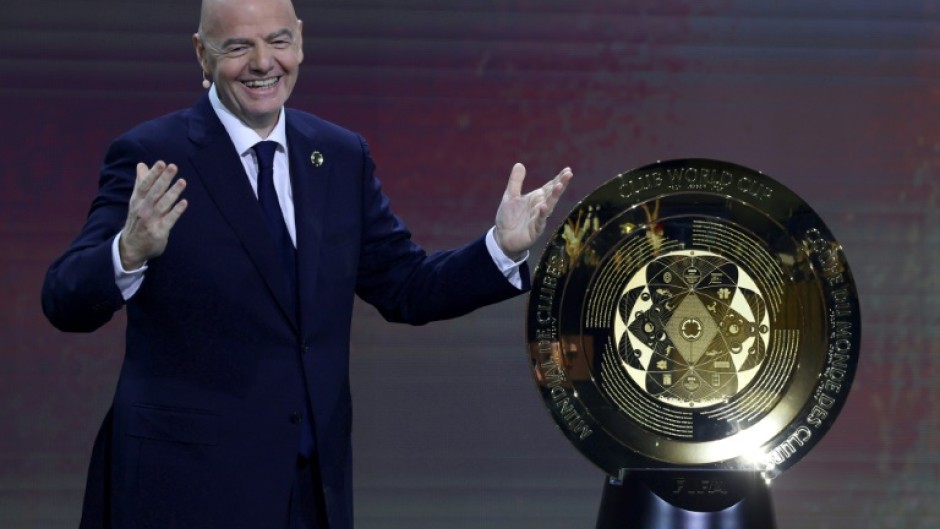
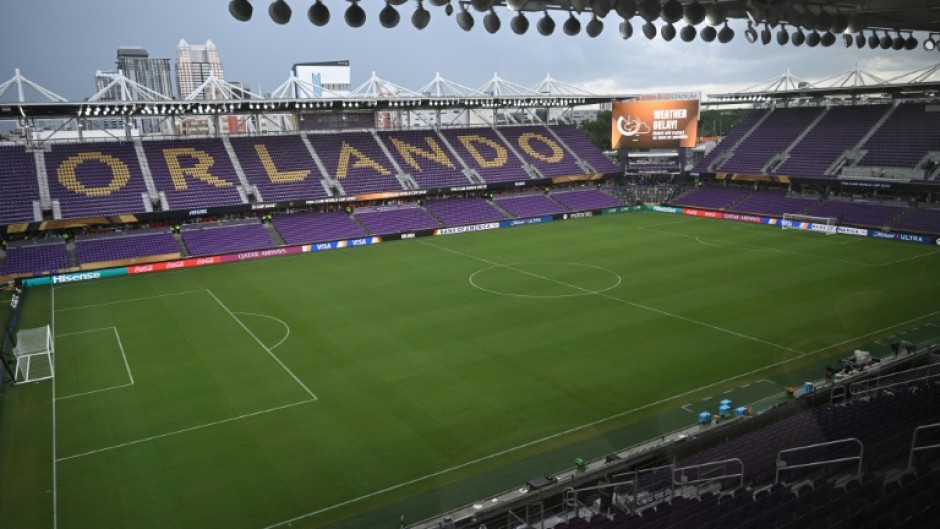
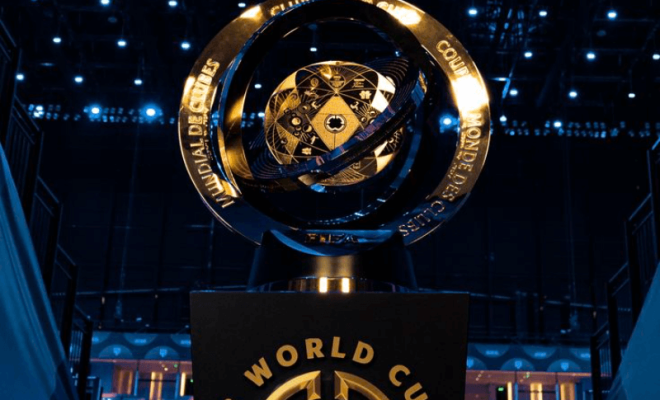
The FIFA Men’s World Cup will unfold across North America from June 11 to July 19, co-hosted by Canada, Mexico and the United States. This year’s event will be the largest ever, with some 48 countries represented.
The FIFA 2026 World Cup was awarded in 2018 and preparations have been ongoing ever since. However, the U.S. has significantly altered course since the election of Donald Trump in January 2025.
The international community is facing an onslaught of actions, threats and rhetoric from the U.S. government, which has led to chaos, confusion, instability and massive political, economic and sociocultural vulnerability.
As a result, calls have emerged to boycott the tournament, including from former FIFA president Sepp Blatter.
It’s clearly late in the game to consider adjusting, transferring, suspending or altering this thoroughly planned international event. The implications for changing the status of the FIFA 2026 tournament are numerous and far-reaching.
Why consider a boycott now?
A series of recent American actions raises serious questions about its suitability to host the FIFA World Cup at this time.
These include destabilizing allies, imposing tariffs without clear justification, launching a military attacking on Iran with Israel, attacking Venezuela and capturing its president, threatening to annex Greenland and Canada, eliminating USAID and putting millions of people at risk of disease, illness, famine and death and overseeing the violence inflicted by U.S. Immigration and Customs Enforcement (ICE) agents that endangers citizens and residents.
In addition, the fair and equitable treatment of people seeking to visit the U.S. cannot be assured. People from many countries would effectively be barred from visiting the U.S. to attend the event because of current American policy.
There is a serious threat of people being detained, surveilled and persecuted. Racial profiling is a particular concern given how ICE has maneuvered in immigrant communities in the U.S.
Many are also concerned about violence within the U.S., which is disproportionately higher than in most western countries.
At the same time, the U.S. has withdrawn from numerous international organizations and agreements, the antithesis of co-operation on global issues, shutting down the potential for meaningful and necessary dialogue.
All these realities fly in the face of the spirit and solidarity of global sporting events like the World Cup that aim to cultivate peace and intercultural understanding.
FIFA’s record
Allegations of corruption and bribery within FIFA have persisted for years. They have been documented in a U.S. Department of Justice indictment and in FIFA’s own Garcia Report.
FIFA is sensitive to these complaints, and some reforms have been implemented to make the organization more transparent and credible, but many groups still argue the corruption is rampant.
Human rights have long been an issue at FIFA events. The 2022 FIFA World Cup in Qatar prompted concerns related to LGBTQ+ rights, with many players wearing the “One Love” armband in protest. It also raised concerns over the rights of workers and migrants, who were exploited and faced discrimination.
There are also environmental concerns related to the carbon footprint of such a large event. However, the counter-claim of the event fostering global solidarity is an equally strong justification for it.
FIFA is lathered in capitalist trappings, and there is a great deal of profit to be made for a small number of people. The 2026 World Cup is expected to bring in more than US$10 billion for the organization.
It is unclear how local taxpayers and citizens benefit economically from holding the World Cup, especially given that they underwrite many of the costs through their taxes.
Similarly, the marketing, television and dissemination rights present a lucrative landscape, yet that funding does little to fight poverty, hunger and unacceptable living conditions for many.
Do boycotts work?
There is some debate about the effectiveness of boycotting. The boycotts of the 1980 Summer Olympics in Moscow, following the invasion of Afghanistan, and of the 1984 Summer Olympics in Los Angeles, led by the Soviet bloc in retaliation, did not produce substantive political change.
Some questioned the enormity of eliminating the potential for intercultural and diplomatic interaction.
By contrast, the sporting boycott of apartheid-era South Africa from 1964 to 1992 did help contribute to significant change in the country.
The ongoing Boycott, Divestment, Sanctions movement against Israel — although not supported by the U.S. and many other countries — has had varying success, but the very fact that it exists and is supported by many is politically significant.
The costs of boycotting now
Altering or boycotting the tournament at this stage would inevitably punish national teams and athletes for political considerations beyond their reach. The FIFA event could generate goodwill, promote global understanding and bring people together, especially in relation to nations from the Global South that are often portrayed negatively.
Some argue a boycott would affect players and fans more than FIFA itself. The economic repercussions of a boycott would also be substantial. Yet the very notion of a boycott is that it does, and should, affect and influence attitudes, behaviours and actions.
Others have suggested alternative avenues for change, including through organized protests and social movement mobilization.
Other alternative proposals for enacting change include targeted boycotts against certain sponsors, institutions and sectors. Some activists may wish to target a policy, such as the assault on migrants in the U.S. or corruption within FIFA.
A force for the global public good?
Boycotts are complicated and have been more commonly related to the Olympic Games than the World Cup. However, citizens and activists alike seek opportunities to develop a more just and equitable world.
In 2021, there were also great concerns regarding human rights violations. Interestingly, while a Statista survey of 4,201 respondents across 120 countries found that most respondents believed their country should boycott the 2022 World cup in Qatar, very few soccer fans were willing to boycott it themselves.
But FIFA isn’t a political party; it’s a business and sports organization. Although considered favourable, it does not need the population to approve its decisions, and sponsors are at risk of being targeted and tarnished if public sentiment turns sharply against the event.
Will the FIFA World Cup provide the opportunity for the U.S. to address problems of racism, gender discrimination, the mantra to annex other countries, ICE overreach and denigration against migrants? Or will such issues be simply swept under the carpet?
The tournament could offer a platform to engage with the world through diplomacy grounded in sovereignty, human rights and mutual benefit. A tri-national hosting arrangement with Canada and Mexico may yet foster cross-border co-operation, even amid strained relations.
The current U.S. political climate does not provide an encouraging model to move the FIFA World Cup toward peace and solidarity currently, but the world is in desperate need for it to do so.
Paul R. Carr, Professeur/Professor (Université du Québec en Outaouais) & Titulaire/Chair, Chaire UNESCO en démocratie, citoyenneté mondiale et éducation transformatoire/ UNESCO Chair in Democracy, Global Citizenship and Transformative Education., Université du Québec en Outaouais (UQO) and Alexis Legault, PhD Candidate in Education, Université du Québec en Outaouais (UQO)
This article is republished from The Conversation under a Creative Commons license. Read the original article.


.jpg)