Friday, 6 February 2026
7.1 million cancer cases worldwide preventable, tobacco biggest culprit: WHO
Friday, 23 January 2026
Human heart regrows muscle cells after heart attack: Study
Monday, 5 January 2026
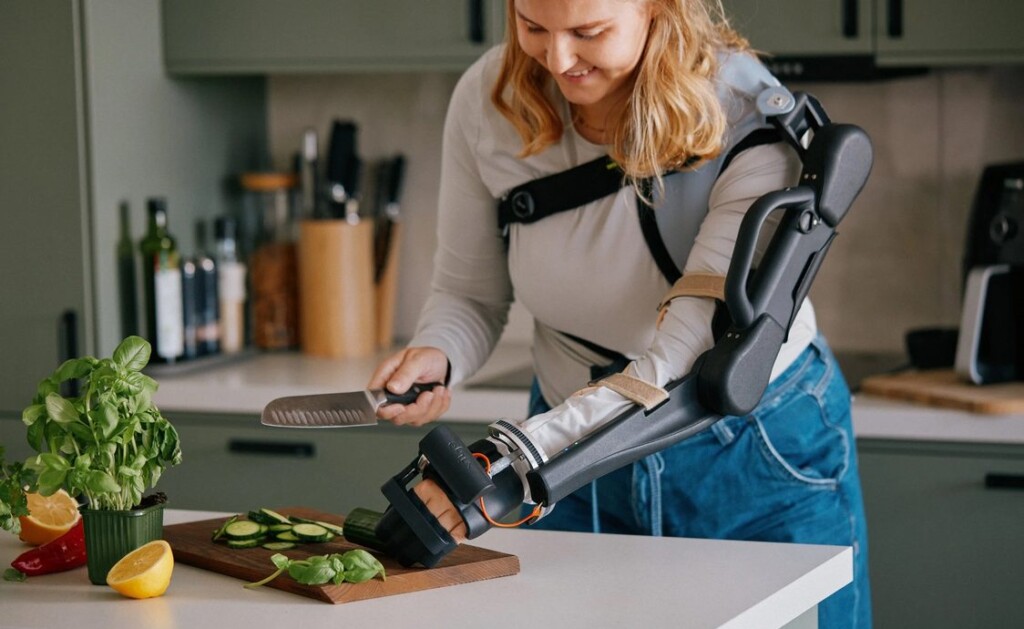
'It Feels Like Me Again': World’s First Arm Exoskeleton Gives Stroke Patients Independence

Thursday, 1 January 2026
Eating right: Just a New Year's resolution or a conscious habit?
New Delhi, (IANSlife) It's that time of year when many people try to make New Year's resolutions, from going to the gym every day to eating healthier. Some swear to go to the gym five times a week, while others want to shed a considerable amount of weight by experimenting with a new diet. While these objectives are wonderful and have no flaws, we all know that these resolutions rarely persist. We all start the year with lofty goals that are difficult to achieve.
As we all know, our habits dictate our behaviors, which makes it even more important to develop positive habits that will benefit us over time. How does one reach their objectives? Before embarking on a tight diet plan, it is critical to begin cautiously and with attention. Small modifications in your everyday life connected to healthy eating habits can help you achieve your goals significantly.
So, here are some new year tips from Shilpa Khanna Thakkar, CEO of Chicnutrix, to keep you motivated:
. Choose general healthy eating habits over specific diets. Taking this up as practice makes it easily attainable and better for your overall well-being.
. Plan your meals! Think again if you are at work and go out for lunch and then get a snack or some coffee later. Making a conscious effort to pack a lunch and snack makes it easier to control your eating habits and is even more inexpensive in the long run.
. Every weekend, go grocery shopping and purchase snacks and food items for the next five days. This could include yogurt, nuts, fruits, veggies, etc. While cooking dinner, make a few extra servings for the next few days. Try to save and repurpose leftovers for days when you are too busy to cook.
. Track your progress and milestones with non-food rewards such as reading a new book or watching a new movie. Celebrating your wins is essential, as that shows us what we are accomplishing and motivates us to accomplish more.
. Share your goal with others. This not only helps you get useful tips but also shows you that you are not alone in your journey towards good health and allows you to share your progress with others.
"In addition to healthy eating habits, another popular resolution during the new year is to exercise more. However, coming up with the goal of "going to the gym every day of the week" is quite unrealistic, especially for someone who does not exercise regularly. So, it is easier to devise a smaller goal, like taking daily walks, and then gradually build on this. The same needs to be applied to your resolution of eating better," said Shilpa Khanna Thakkar.Let's not forget the true essence of New Year's resolutions - making a positive change to your health and quality of life. They don't have to be extreme life changes, but rather just reasonable health goals to have a positive impact that becomes a part of your lifestyle. The cycle of unhealthy eating habits and unrealistic diets needs to be broken! When made, these conscious habits should not only enhance the quality of life you lead but also keep you healthy yet happy. Eating right: Just a New Year's resolution or a conscious habit? | MorungExpress | morungexpress.com
Tuesday, 30 December 2025
Couple Who Started IVF Last Christmas Day Welcomed a Baby After 11 Year Battle

Monday, 29 December 2025
Kerala's first skin bank becomes operational in Thiruvananthapuram
Wednesday, 24 December 2025
Egypt Becomes 26th Country to Eliminate Leading Cause of Infectious Blindness with Triumph Over Trachoma

Friday, 12 December 2025
Can you wear the same pair of socks more than once?
Primrose Freestone, University of Leicester
It’s pretty normal to wear the same pair of jeans, a jumper or even a t-shirt more than once. But what about your socks?
If you knew what really lived in your socks after even one day of wearing, you might just think twice about doing it.
Our feet are home to a microscopic rainforest of bacteria and fungi – typically containing up to 1,000 different bacterial and fungal species. The foot also has a more diverse range of fungi living on it than any other region of the human body.
The foot skin also contains one of the highest amount of sweat glands in the human body.
Most foot bacteria and fungi prefer to live in the warm, moist areas between your toes where they dine on the nutrients within your sweat and dead skin cells. The waste products produced by these microbes are the reason why feet, socks and shoes can become smelly.
For instance, the bacteria Staphylococcal hominis produces an alcohol from the sweat it consumes that makes a rotten onion smell. Staphylococcus epidermis, on the other hand, produces a compound that has a cheese smell. Corynebacterium, another member of the foot microbiome, creates an acid which is described as having a goat-like smell.
The more our feet sweat, the more nutrients available for the foot’s bacteria to eat and the stronger the odour will be. As socks can trap sweat in, this creates an even more optimal environment for odour-producing bacteria. And, these bacteria can survive on fabric for months. For instance, bacteria can survive on cotton for up to 90 days. So if you re-wear unwashed socks, you’re only allowing more bacteria to grow and thrive.
The types of microbes resident in your socks don’t just include those that normally call the foot microbiome home. They also include microbes that come from the surrounding environment – such as your floors at home or in the gym or even the ground outside.
In a study which looked at the microbial content of clothing which had only been worn once, socks had the highest microbial count compared to other types of clothing. Socks had between 8-9 million bacteria per sample, while t-shirts only had around 83,000 bacteria per sample.
Species profiling of socks shows they harbour both harmless skin bacteria, as well as potential pathogens such as Aspergillus, Candida and Cryptococcus which can cause respiratory and gut infections.
The microbes living in your socks can also transfer to any surface they come in contact with – including your shoes, bed, couch or floor. This means dirty socks could spread the fungus which causes Athlete’s foot, a contagious infection that affects the skin on and around the toes.
This is why it’s especially key that those with Athlete’s foot don’t share socks or shoes with other people, and avoid walking in just their socks or barefoot in gym locker rooms or bathrooms.
Foot hygiene
To cut down on smelly feet and reduce the number of bacteria growing on your feet and in your socks, it’s a good idea to avoid wearing socks or shoes that make the feet sweat.
Washing your feet twice daily may help reduce foot odour by inhibiting bacterial growth. Foot antiperspirants can also help, as these stop the sweat – thereby inhibiting bacterial growth.
It’s also possible to buy socks which are directly antimicrobial to the foot bacteria. Antimicrobial socks, which contain heavy metals such as silver or zinc, can kill the bacteria which cause foot odour. Bamboo socks allow more air flow, which means sweat more readily evaporates – making the environment less hospitable for odour-producing bacteria.
Antimicrobial socks might therefore be exempt from the single-use rule depending on their capacity to kill bacteria and fungi and prevent sweat accumulation.
But for those who wear socks that are made out of cotton, wool or synthetic fibres, it’s best to only wear them once to prevent smelly feet and avoid foot infections.
It’s also important to make sure you’re washing your socks properly between uses. If your feet aren’t unusually smelly, it’s fine to wash them in warm water that’s between 30-40°C with a mild detergent.
However, not all bacteria and fungi will be killed using this method. So to thoroughly sanitise socks, use an enzyme-containing detergent and wash at a temperature of 60°C. The enzymes help to detach microbes from the socks while the high temperature kills them.
If a low temperature wash is unavoidable then ironing the socks with a hot steam iron (which can reach temperatures of up to 180–220°C) is more than enough kill any residual bacteria and inactivate the spores of any fungi – including the one that causes Athlete’s foot.
Drying the socks outdoors is also a good idea as the UV radiation in sunlight is antimicrobial to most sock bacteria and fungi.
While socks might be a commonly re-worn clothing item, as a microbiologist I’d say it’s best you change your socks daily to keep feet fresh and clean.![]()
Primrose Freestone, Senior Lecturer in Clinical Microbiology, University of Leicester
This article is republished from The Conversation under a Creative Commons license. Read the original article.
Thursday, 11 December 2025
Global life expectancy rises sharply since 1960, with Armenia outpacing regional trends
Japan remains a global leader, rising from roughly 68 years in 1960 to 84 years in 2023. Hong Kong and Monaco are the only places reporting higher figures. Italy, at 83.7 years, continues to benefit from strong health systems and diet-related habits common across much of Europe.
The United States increased from about 70 years in 1960 to 78.4 years in 2023, but its progress has been slower than that of other high-income nations due to issues including opioid misuse, obesity and health inequities. China, meanwhile, recorded one of the world’s most dramatic gains, jumping from about 33 years in 1960 to 78 years in 2023, supported by economic growth and improved medical access.
Armenia’s life expectancy reached 78.6 years in 2024, its highest in more than two decades. As in many countries, women live longer than men: women reached 81.7 years and men 75.1 years, up from 75.8 and 70.1 years respectively in 2000.
Regional differences remain stark. Africa’s average life expectancy stood at 63.8 years in 2023, ranging from 76.5 in Tunisia to 54.8 in Nigeria. Asia averaged 74.6 years, led by Hong Kong at 85.5 and Japan at 84.7, while Afghanistan recorded the lowest at 66. Europe averaged 79.1 years, with Monaco topping the list at 86.4 and Moldova lowest at 71.2. In South America, Chile led at 81.2 years, while Bolivia posted 68.6. Australia reported 83.9 years.Life expectancy is a key measure of society's well-being, reflecting the health, economic and social conditions, which is essential for shaping effective public policy. Source: https://www.panorama.am/
Monday, 8 December 2025
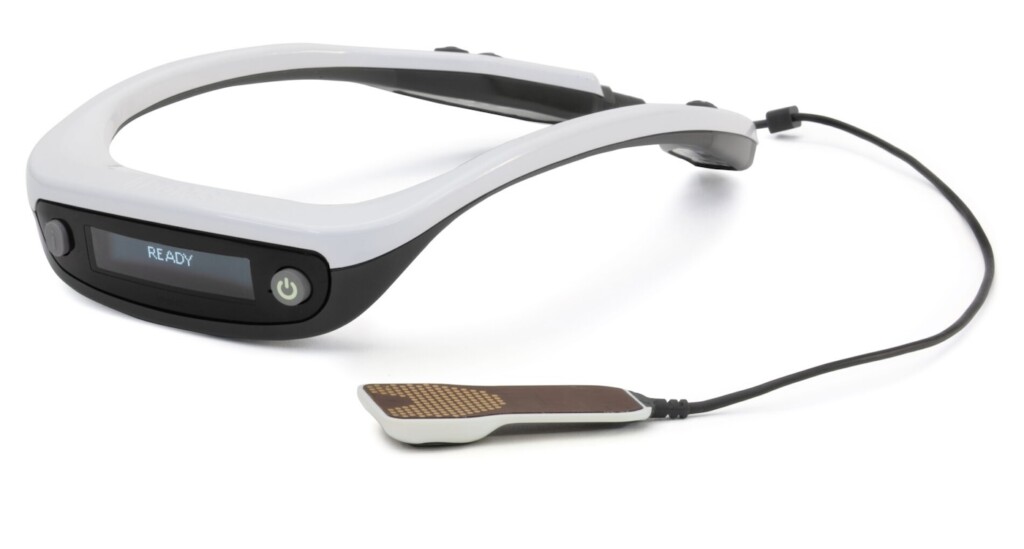
Tongue-Zapping Device Does More in 6 Months Than 4 Years of Normal Stroke Rehabilitation

Thursday, 4 December 2025
World AIDS Day: HIV infections down 49 pc, deaths reduced by over 81 pc in India
Monday, 24 November 2025
The next great performance booster for athletes? Sleep
Charli Sargent, CQUniversity Australia and Greg Roach, CQUniversity Australia
When we think of elite athletes, we generally think of people who are at the top of their game physically.
We assume they do everything better than mere mortals – but what about when it comes to getting a good night’s sleep?
Does being a superhuman athlete make you a superhuman sleeper?
Why sleep matters
Exercise has long been associated with better sleep and it seems reasonable to assume most elite athletes are good sleepers – after all, their job is to exercise and recover.
However, many athletes fail to clear the bar when it comes to getting enough sleep.
In fact, in a 2021 sample of 175 elite Australian athletes from 12 sports, only 3% obtained enough sleep on a regular basis, while 71% fell short by an hour or more.
This research mirrors studies on able-bodied and para-athletes from the United States, Brazil, Germany, Switzerland and China.
So why is sleep such hard work for an elite athlete?
Barriers to sleep
When it comes to sleep, an athlete’s toughest opponent is usually their training and competition schedule.
For some athletes (think individual sport athletes like swimmers, triathletes and cyclists), it is regular early morning training sessions combined with very few days off that makes things difficult.
For others (think team sport athletes like Australian rules footballers and netballers), it is training and competition schedules that change from week to week combined with travel that impact sleep.
Anxiety prior to competition, can also make it hard for athletes to get enough sleep.
So why does it even matter? In short, because sleep plays a part in athletic performance.
In a recent consensus statement, sleep and sports scientists from around the world recognised sleep’s importance for athletic performance. They also agreed elite athletes are particularly susceptible to insufficient sleep.
Many leading athletes – including eight-time Olympic gold medal sprinter Usain Bolt, four-time National Basketball Association title winner LeBron James, and 20-time Grand Slam tennis champion Roger Federer – agree sleep is crucial to success.
Sleep, illness and injury
Studies suggest elite athletes can still perform at or near their best after a night of insufficient sleep.
But whether they can perform day after day (like during an intensive training block) after multiple nights of insufficient sleep is the real championship question – one that we don’t quite have the answer to yet.
But let’s not forget the two words that can stop any athlete in their tracks – illness and injury.
People who obtain 5-6 hours of sleep per night are 4.5 times more likely to develop a common cold following exposure to rhinovirus compared to people who obtain seven hours of sleep per night.
If elite athletes don’t get enough sleep, they are more likely to get ill.
The relationship between sleep and risk of injury in elite sport is not as clear.
But insufficient sleep slows down response time, impairs movement patterns and reduces sport-specific skill execution – all of which may lead to injury.
But perhaps the biggest issue for elite athletes when it comes to insufficient sleep is how it makes them feel.
After multiple nights of insufficient sleep, athletes feel more fatigued before training, perceive the exercise to be harder and experience greater mood disturbance compared to when they are well rested.
The ability to tolerate high levels of training is critical for athletes. Without enough sleep on a regular basis, an athlete may struggle to recover from training and poor recovery can impair subsequent performance.
For this reason alone, many sleep and sports scientists believe sleep is critical for performance because it is the foundation of recovery.
Some tips for coaches and athletes
At the highest level, small improvements in performance can be the difference between finishing on the podium or back in the bunch.
A case in point is the Tour de France – widely regarded as the most physically and mentally demanding endurance race in the world.
Recently, many teams have attempted to optimise the sleeping conditions of their riders by using “recovery buses” – that transport cyclists from one stage of the race to the next – and outfitting hotel rooms with personalised mattresses and pillows.
Despite the gruelling demands, riders’ average sleep duration is surprisingly reasonable – about 7.2 hours per night.
But not all athletes and teams have access to recovery buses and personalised hotel rooms.
What are some of the other strategies that athletes can adopt to ensure good sleep?
Here are some tips (for athletes and coaches) to consider when thinking about sleep:![]()
- ensure you are spending enough time in bed to get the sleep you need – to get the recommended eight hours of sleep per night, we need a “sleep opportunity” of about nine hours in bed
- avoid training too early (before 6am) and/or minimise the number of early morning starts in a row
- evening competition results in delayed sleep opportunities. Minimise the number of activities athletes engage in immediately after competition and if possible, delay the start time of next-day recovery sessions
- use strategic daytime naps to supplement reduced night-time sleep opportunities (limit naps to one hour, use an alarm and target late morning or early afternoon)
- aim for regular bed/wake times on nights when you can control your sleep opportunity.
Charli Sargent, Professor, Professorial Research Fellow and Research Cluster Co-Lead - Sleep and Biological Rhythms, CQUniversity Australia and Greg Roach, Professor, Appleton Institute for Behavioural Science, CQUniversity Australia
This article is republished from The Conversation under a Creative Commons license. Read the original article.

Wednesday, 12 November 2025
Dharmendra discharged from hospital, ambulance departs from actor’s home
Tuesday, 4 November 2025
A 9-Year-Old Son Saves His Father from Leukemia by Donating Stem Cells

Monday, 6 October 2025
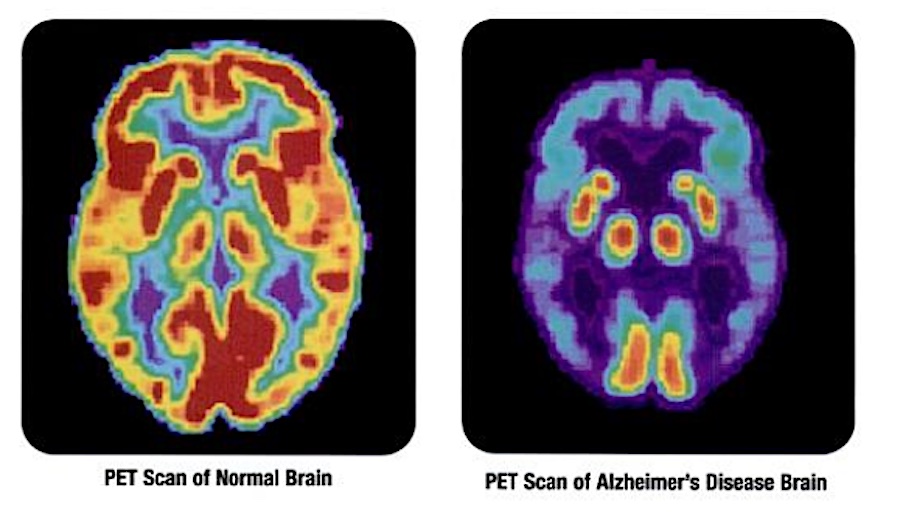
Tiny Protein Confirmed to Dismantle the Toxic Clumps Linked to Alzheimer’s Disease

Monday, 15 September 2025
1 in 4 people globally still lack access to safe drinking water, report finds
.jpg)
- Despite gains since 2015, 1 in 4 – or 2.1 billion people globally – still lack access to safely managed drinking water*, including 106 million who drink directly from untreated surface sources.
- 3.4 billion people still lack safely managed sanitation, including 354 million who practice open defecation.
- 1.7 billion people still lack basic hygiene services at home, including 611 million without access to any facilities.
- People in least developed countries are more than twice as likely as people in other countries to lack basic drinking water and sanitation services, and more than three times as likely to lack basic hygiene.
- In fragile contexts**, safely managed drinking water coverage is 38 percentage points lower than in other countries, highlighting stark inequalities.
- While there have been improvements for people living in rural areas, they still lag behind. Safely managed drinking water coverage rose from 50 per cent to 60 per cent between 2015 and 2024, and basic hygiene coverage from 52 per cent to 71 per cent. In contrast, drinking water and hygiene coverage in urban areas has stagnated.
- Data from 70 countries show that while most women and adolescent girls have menstrual materials and a private place to change, many lack sufficient materials to change as often as needed.
- Adolescent girls aged 15–19 are less likely than adult women to participate in activities during menstruation, such as school, work and social pastimes.
- In most countries with available data, women and girls are primarily responsible for water collection, with many in sub-Saharan Africa and Central and Southern Asia spending more than 30 minutes per day collecting water.
- As we approach the last five years of the Sustainable Development Goals period, achieving the 2030 targets for ending open defecation and universal access to basic water, sanitation and hygiene services will require acceleration, while universal coverage of safely managed services in this area appears increasingly out of reach.
Tuesday, 5 August 2025
Why dermatology remains highly sought-after medical specialty
.jpg)
- Atopic dermatitis: Affects 15–30% of children and 2–10% of adults
- Psoriasis: A chronic autoimmune disease found in 2–4% of the population
- Seborrheic dermatitis: Seen in around 4.4% of people, mainly adults
- Acne: Diagnosed in 28% of adolescents and over 20% of adults
- Excellent work-life balance, with few emergency shifts
- Shorter training periods compared to other specialties
- Quick diagnoses, often without the need for extensive testing
- Diverse clinical practice, from chronic care to high-tech aesthetic procedures
- High income potential and patient satisfaction
Sunday, 6 July 2025
Sandeepa Dhar talks about importance of Yoga for breathing pattern
Wednesday, 25 June 2025
After Taylor Swift Visits Children's Hospital, Her Fans Donate Tens of Thousands to Patients

Zoe and Swift at Joe DiMaggio Children’s Hospital – credit, Monica Franco De Villa, via GoFundMe
Swift visiting Aaliyah at Joe DiMaggio Children’s Hospital – credit, Crystal Mortensen, via GoFundMeTuesday, 27 May 2025
Lipolysis more effective in women than men: Study
New Delhi, (IANS) A team of researchers has said that lipolysis is more effective in women than in men, which could partly explain why women are less likely to develop metabolic complications than men, despite having more body fat.