bloggggg

Home  |  Live  |  Science  |  Lifestyle  |  Entertainment  |  Broadcast  |  Games  |  eBooks  |  Astounds  |  Adbite  |  Cricbell  |  Cyber  |  Idea  |  Digital  |  Privacy  |  Publish  |  ePaper  |  Contact  .Subscribe.Subscribe.Subscribe.Subscribe.Subscribe.Subscribe.Subscribe.Subscribe.Subscribe
Subscribe

Tuesday, 17 February 2026

Italy hosted the Winter Olympics 70 years ago. What was it like, and what’s changed?

Richard Baka, Victoria University

The 2026 Milan Cortina Winter Olympics are Italy’s fourth as Olympic host and come 70 years after the region first welcomed the world’s best winter athletes.

It is Italy’s third Winter Olympics, second only to the United States (four), reinforcing the nation’s long-standing influence within the Olympic movement.

So, what’s changed since 1956?

Looking back: Cortina d’Ampezzo 1956

The 1956 winter games were originally scheduled for 1944 but were postponed due to the second world war, eventually taking place in Cortina d’Ampezzo.

It was groundbreaking in several ways.

The games ran for 11 days, far shorter than this year’s 17-day program.

Italian skier Giuliana Chenal-Minuzzo became the first woman to recite the Olympic Oath at an opening ceremony.

For the first time, the Winter Olympics were broadcast live on television, albeit in black and white, to nine European nations.

In 1956, winter and summer games were held in the same year, (Melbourne hosted the Summer Olympics that year).

This changed in 1994, when the International Olympic Committee (IOC) moved them to alternating even-numbered years, significantly boosting the profile, commercial appeal and growth of the Winter Olympics.

From centralised to decentralised hosting

Cortina 1956 featured a highly centralised model, with eight venues clustered within the Dolomites mountain range.

In contrast, Milan Cortina in 2026 reflects the IOC’s modern strategy of decentralisation and sustainability.

The spread-out nature of the 2026 event features:

  • four main geographical clusters (Milan, Cortina d'Ampezzo, Valtellina and Val di Fiemme) plus Verona (opening and closing ceremonies)
  • 15 competition venues
  • two host cities – the first time in Olympic history, separated by 413 kilometres
  • six Olympic villages
  • four opening ceremony locations.

With Milan as a major metropolitan hub, the 2026 games are far more urban than their alpine predecessor.

Growth of the winter games

The expansion from 70 years ago is striking:

New, youth-friendly and broadcast-driven sports such as short-track speed skating, snowboarding and freestyle skiing have transformed the program.

The only new sport in 2026 will be ski mountaineering.

Near-gender parity will be achieved through expanded women’s events and mixed-gender competitions.

Leading nations on the medal table

In 1956, the dominant nations were mainly European – the Soviet Union, Austria, Norway, Finland, Sweden and Switzerland as well as the US.

This year, the podium will likely be owned by Norway, the US, Germany, Italy, China and Canada – the latter two making huge improvements in recent times.

Even Australia, a summer games powerhouse, which never made the podium until 1994, has improved dramatically and is expected to have its best result of around six medals, placing it in the top 15.

The Russians will be noticeably absent, forced out by the IOC due to the Ukrainian invasion. They will be allowed to have neutral athletes who can win medals but as a nation they are on the outer.

Paralympics, professionalism and equity

The 2026 Winter Paralympics will follow immediately after the Olympics – something that did not exist in 1956.

The Winter Paralympics first appeared in 1976 and only began sharing host cities with the Olympics in 1992.

Other major shifts since 1956 include:

  • expanded women’s participation, including ice hockey (introduced in 1998)
  • the end of strict amateur-only participation (phased out after 1986)
  • increased financial rewards for medal winners
  • the return of professional National Hockey League male players for the first time since 2014 – a major boost for fans and broadcasters.

Media, technology and the fan experience

Media coverage has exploded since 1956 with the ability to follow every sport, every event on television and radio, digital platforms, newspaper and print media, blogs, podcasts and social media.

Technological changes over the past seven decades have been dramatic. This includes:

  • extensive new types of media coverage
  • use of artificial intelligence
  • equipment design
  • athlete apparel innovation
  • snow-making capabilities
  • venue design and preparation
  • transportation improvements
  • monitoring of athlete performance and training methods.

Fan experience will be greatly enhanced and transformed through:

Costs, sustainability and climate challenges

The 1956 games operated on a modest budget of around US$250,000 (A$350,000).

The 2026 event is projected to cost around US$5.9 billion (A$8.3 billion) for operating and infrastructure expenses.

Cost escalation is driven by inflation, transport and accommodation, security requirements, venue construction and technology.

Balancing this are vastly increased revenues from broadcast rights, sponsorship and ticketing.

Most Olympic hosts end up losing money. The list is long, with Montreal (1976), Nagano (1998), Athens (2004), Sochi (2014), Rio (2016), Tokyo (2020/21) and others all going well over budget.

Sustainability and legacy – barely considered in 1956 – are now central.

The IOC strongly discourages “white elephant” venues, prioritising temporary facilities, venue reuse and carbon reduction.

Climate change remains a long-term concern. While snow was imported for some events in 1956, global warming now threatens the future pool of viable hosts.

Geopolitics, governance and security

The election of Kirsty Coventry as the first woman president of the IOC underscores the organisation’s broader push toward gender equity in leadership.

Under her guidance, the IOC is looking to implement firmer policies on transgender participation.

No major boycotts by nations are expected despite tension caused by the expulsion of Russia and Belarus.

Several international sport federations – supported by some European nations – have even restricted these two banned national Olympic teams from participating as individual neutral athletes.

For the 2026 games, doping controls are stricter than ever, led by the IOC and the World Anti-Doping Agency.

Security planning is at an all-time high. It now includes cyber-threats as well as physical risks.

Watch this space

Seventy years after Cortina d’Ampezzo hosted a modest, alpine-focused winter games, Milan Cortina 2026 represents a vastly expanded, technologically sophisticated and globally connected Olympic festival.

Despite challenges – climate, cost and geopolitics – all indicators suggest the games will deliver a compelling, inclusive and memorable celebration of winter sport.The Conversation

Richard Baka, Honorary Professor, School of Kinesiology, Western University, London, Canada; Adjunct Fellow, Olympic Scholar and Co-Director of the Olympic and Paralympic Research Centre, Institute for Health and Sport, Victoria University

This article is republished from The Conversation under a Creative Commons license. Read the original article.

-

Wednesday, 12 November 2025

The Roman empire built 300,000 kilometres of roads: new study


Ray Laurence, Macquarie University

At its height, the Roman empire covered some 5 million square kilometres and was home to around 60 million people. This vast territory and huge population were held together via a network of long-distance roads connecting places hundreds and even thousands of kilometres apart.

Compared with a modern road, a Roman road was in many ways over-engineered. Layers of material often extended a metre or two into the ground beneath the surface, and in Italy roads were paved with volcanic rock or limestone.

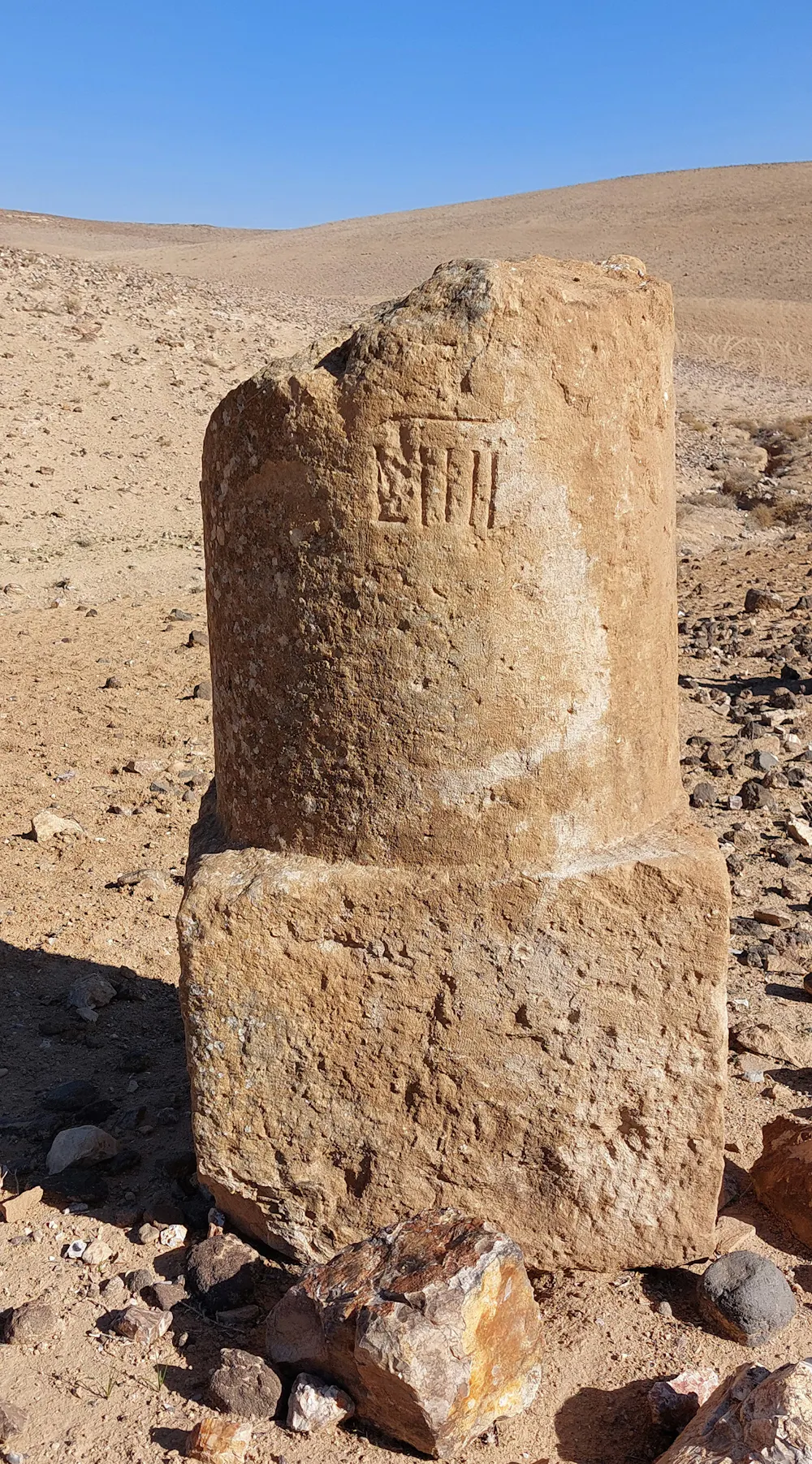
Roads were also furnished with milestones bearing distance measurements. These would help calculate how long a journey might take or the time for a letter to reach a person elsewhere.

Thanks to these long-lasting archaeological remnants, as well as written records, we can build a picture of what the road network looked like thousands of years ago.

A new, comprehensive map and digital dataset published by a team of researchers led by Tom Brughmans at Aarhus University in Denmark shows almost 300,000 kilometres of roads spanning an area of close to 4 million square kilometres.

The Roman road network circa 150 AD. Itiner-e, CC BY

The road network

The Itiner-e dataset was pieced together from archaeological and historical records, topographic maps, and satellite imagery.

It represents a substantial 59% increase over the previous mapping of 188,555 kilometres of Roman roads. This is a very significant expansion of our mapped knowledge of ancient infrastructure.

The Via Appia is one of the oldest and most important Roman roads. LivioAndronico2013 / Wikimedia, CC BY

About one-third of the 14,769 defined road sections in the dataset are classified as long-distance main roads (such as the famous Via Appia that links Rome to southern Italy). The other two-thirds are secondary roads, mostly with no known name.

The researchers have been transparent about the reliability of their data. Only 2.7% of the mapped roads have precisely known locations, while 89.8% are less precisely known and 7.4% represent hypothesised routes based on available evidence.

More realistic roads – but detail still lacking

Itiner-e has improved on past efforts with improved coverage of roads in the Iberian Peninsula, Greece and North Africa, as well as a crucial methodological refinement in how routes are mapped.

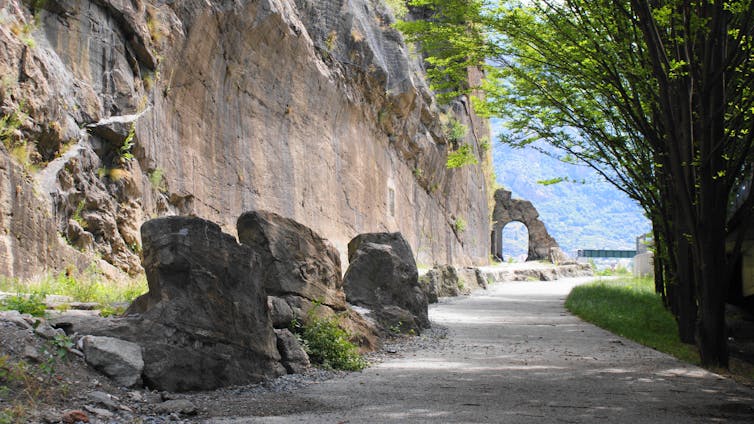
Rather than imposing idealised straight lines, the researchers adapted previously proposed routes to fit geographical realities. This means mountain roads can follow winding, practical paths, for example.

Itiner-e includes more realistic terrain-hugging road shapes than some earlier maps. Itiner-e, CC BY

Although there is a considerable increase in the data for Roman roads in this mapping, it does not include all the available data for the existence of Roman roads. Looking at the hinterland of Rome, for example, I found great attention to the major roads and secondary roads but no attempt to map the smaller local networks of roads that have come to light in field surveys over the past century.

Itiner-e has great strength as a map of the big picture, but it also points to a need to create localised maps with greater detail. These could use our knowledge of the transport infrastructure of specific cities.

There is much published archaeological evidence that is yet to be incorporated into a digital platform and map to make it available to a wider academic constituency.

Travel time in the Roman empire

Fragment of a Roman milestone erected along the road Via Nova in Jordan. Adam Pažout / Itiner-e, CC BY

Itiner-e’s map also incorporates key elements from Stanford University’s Orbis interface, which calculates the time it would have taken to travel from point A to B in the ancient world.

The basis for travel by road is assumed to have been humans walking (4km per hour), ox carts (2km per hour), pack animals (4.5km per hour) and horse courier (6km per hour).

This is fine, but it leaves out mule-drawn carriages, which were the major form of passenger travel. Mules have greater strength and endurance than horses, and became the preferred motive power in the Roman empire.

What next?

Itiner-e provides a new means to investigate Roman transportation. We can relate the map to the presence of known cities, and begin to understand the nature of the transport network in supporting the lives of the people who lived in them.

This opens new avenues of inquiry as well. With the network of roads defined, we might be able to estimate the number of animals such as mules, donkeys, oxen and horses required to support a system of communication.

For example, how many journeys were required to communicate the death of an emperor (often not in Rome but in one of the provinces) to all parts of the empire?

Some inscriptions refer to specifically dated renewal of sections of the network of roads, due to the collapse of bridges and so on. It may be possible to investigate the effect of such a collapse of a section of the road network using Itiner-e.

These and many other questions remain to be answered.The Conversation

Ray Laurence, Professor of Ancient History, Macquarie University

This article is republished from The Conversation under a Creative Commons license. Read the original article.

Wednesday, 24 September 2025

A look at India’s 7 natural heritage locations, picked up as UNESCO’s world heritage sites


New Delhi, (IANS): In a remarkable development, India’s presence in the UNESCO World Heritage Sites has seen a spike with seven natural and picturesque locations making it to the tentative list, thus paving the way for their formal inclusion in the final list.

With these additions, the country’s count in the tentative list has risen from 62 to 69 properties. The Ministry of Culture informed that after this inclusion, India now has 49 cultural, 17 natural, and three mixed heritage properties listed on the UNESCO list.

The newly listed sites include the Deccan Traps at Panchgani and Mahabaleshwar in Maharashtra, the geological heritage of St Mary’s Island in Karnataka, Meghalayan Age caves, Naga Hill Ophiolite in Nagaland, Erra Matti Dibbalu in Andhra Pradesh, the natural heritage of Tirumala Hills in Andhra Pradesh and the Varkala Cliffs in Kerala.

Notably, the inclusion in the tentative list is a precursor to its nomination in the prestigious World Heritage List.

“The addition of the new sites to the UNESCO list reaffirms India’s unwavering commitment to preserving and promoting its extraordinary natural and cultural legacy,” said a government statement.

Notably, India recently hosted the 46th Session of the World Heritage Committee in New Delhi in July 2024, which saw the participation of more than 2,000 delegates from over 140 countries.

Brief details of India’s seven picturesque locations:

Deccan Traps at Panchgani and Mahabaleshwar, Maharashtra

They are home to some of the best-preserved and among the world’s most studied lava flows. These volcanic formations lie within the Koyna Wildlife Sanctuary, already a UNESCO World Heritage site, thereby showcasing India’s geological marvels.

St Mary’s Island Cluster, Karnataka

These island clusters are famous for striking columnar basalt formations and date back to 85 million years to the Late Cretaceous period, making them a rare geological treasure.

Meghalayan Age Caves, Meghalaya

The spectacular cave systems named Mawmluh Cave serve as the global reference point for the Meghalayan Age, reflecting key climate and geological shifts.

Naga Hill Ophiolite, Nagaland

These unique hills offer clear and detailed insight into plate tectonics, ocean ridge dynamics, and Earth’s deep geological past.

Tirumala hills, Andhra PradeshThe famed Tirumala hills are home to Silathoranam natural arch and the Eparchaean Unconformity. They represent rare geological formations, depicting 1.5 billion years of Earth’s history. A look at India’s 7 natural heritage locations, picked up as UNESCO’s world heritage sites | MorungExpress | morungexpress.com

Thursday, 20 March 2025

Some ancient Romans got to retire with a pension at 42, but retirement’s changed a bit over the centuries

Over the ages, there have been broadly three reasons why people have retired.

Some are forced to by poor health – theirs or someone they care for. Others have alternative income sources, meaning they don’t rely on a regular pay cheque. And some are made to retire by an employer who wants to overhaul staffing.

But where did the idea of retirement come from? And how was it handled in ancient times?

Origins of support

Retirement support – which these days comes in the form of superannuation or a government pension – dates back to ancient history in various forms.

Some forms of retirement support were funded by local taxes or tithes, others by donations. Some systems were corrupt and the coverage was patchy.

Records are not readily available from other cultures, but we know a little about ancient Rome and English history since then.

Emperor Augustus, who ruled after Julius Caesar died, set up a scheme for Roman soldiers more than 2,000 years ago. The scheme aimed to ensure they retired while still strong and healthy, and would be less likely to cause trouble.

The scheme paid a decent amount for soldiers after 25 years of service, so retirement age could be as young as 42.

Pensions for older people in need also have ancient origins. The New Testament Bible records the churches had schemes for needy widows right from the beginning.

In the early Middle Ages, monasteries often provided for the needy, but Henry VIII famously closed them and took their assets. A fair share of their assets ended up with high government officials after the king’s takeover.

Industry funds can also be seen to date back at least to the Middle Ages, where the trade guilds provided for members and their families who fell on hard times.

Retail funds mainly began as mutual life insurance companies that began more than 200 years ago.

In the 18th century, the East India Company and the Bank of England began offering pensions. These were at first discretionary based on need and loyalty, but later covered all employees. This idea then spread to other larger companies such railways and banks.

As modern states developed the capacity to collect income taxes, it became feasible to provide comprehensive retirement benefits funded by central government.

Beginning with Germany in 1889, developed countries began introducing universal national age pension arrangements.

Unfortunately, a number of countries, such as Papua New Guinea, still do not have the capacity to provide a universal safety net to cover older people.

Retirement in Australia

Three Australian states began schemes in 1900, and the federal government provided a universal (but means tested) scheme from 1909.

Most Australian retirees seem to enjoy a favourable standard of living. The Grattan Institute finds that the poorest 30% are, in fact, better off in retirement.

Massive house price and rental inflation in the last 30 years, however, has gutted the living standards of those who don’t own their own homes. This gap in the safety net needs to be addressed.

Retirement ages

The Roman army model persists in some countries to this day: retirement from the US military is available after 20 years of service.

Retirement this early is obviously very expensive. The church scheme mentioned in the New Testament had a minimum age of 60, which is still the normal retirement age in many countries.

The OECD reports the average age of retirement in their 38 member countries is just under 64 for women, and just over 64 for men.

Australians now qualify for the age pension at 67, which is slightly older than average.

Retirement ages are, however, rising to allow for “population ageing”, a longer life expectancy and lower birth rates. Life expectancy at retirement age is the important number when calculating the cost of pensions.

In ancient Rome it was about seven years and was about the same in Sweden in the middle of the 18th century.

In Australia, the life expectancy of a 65 year old woman has risen from 12 years in 1895 to 23 years on average.

Earnings-related pensions

The 1889 German scheme paid a minimum pension, plus an earnings-related component. Workers had a book for stamps for each week’s earnings.

The Australian age pension has always just paid a minimum “liveable” amount. This has been subject to different means tests over time, but retirees have been able to supplement it with their own savings.

Until 1987, only 40% of Australian employees were covered by employer sponsored schemes. Then in 1992, the Superannuation Guarantee Scheme was introduced. Under this, employers were required to contribute 3% into all exployees’ super.

The standard rate will rise to 12% in July next year.

The future

A growing ageing population will mean the Australian government and superannuation industry will need to adjust current support systems.

Over the next decade, about 2.5 million Australians will move from accumulation (where you’re building up your super) to join the 1.6 million already receiving super benefits.

We can expect more people to be living into their nineties and needing pensions for life.

One government priority is to make lifetime pensions as much part of the Australian system as they are in the rest of the world

And after 30 years of growing complexity in the rules covering superannuation, regulators are counting the cost, and planning some simplification.


This article is part of The Conversation’s retirement series, in which experts examine issues including how much money we need to retire, retiring with debt, the psychological impact of retiring and the benefits of getting financial advice. Read the rest of the series here.The Conversation

Anthony Asher, Associate Professor in the UNSW Business School, UNSW Sydney

This article is republished from The Conversation under a Creative Commons license. Read the original article.

Monday, 10 March 2025

Priceless ninth-century masterpiece Bible returns to Swiss homeland

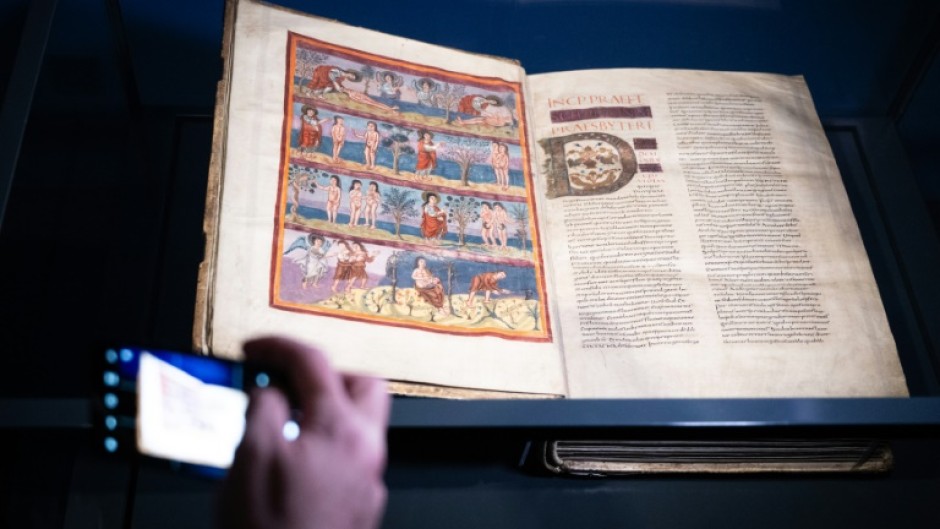
SWITZERLAND - The Moutier-Grandval Bible, an illustrated ninth-century masterpiece considered one of the finest manuscripts in the world, is back in Switzerland, where it miraculously survived the ages in impeccable condition.

The priceless Bible was produced in Tours in France in around 830-840, before making its way to Moutier-Grandval Abbey, in the mountainous Jura region in northwestern Switzerland.

Now in the care of the British Library, the 22-kilogramme (50-pound) manuscript is being loaned for three months to the Jura Museum of Art and History in the region's tiny capital Delemont.

It is only the second time it has been loaned from London, after being shown at the Jura Museum in 1981, when 32,000 people flocked to see it.

"We could even call it a miracle: this mediaeval masterpiece has survived the ages, the circumstances of history; it has escaped ransacking, wars, fires, revolutions, and has reached us in remarkable condition," said the museum's director Nathalie Fleury.

When it returned on Tuesday, "the emotion was palpable: more than 1,200 years of history were in our hands", she said.

Around 100 Bibles were produced during the same period in Tours, of which 18 have survived intact, including only three that are illustrated. The Moutier-Grandval Bible is the best-known.

- 'Joy, awe and wonder' -

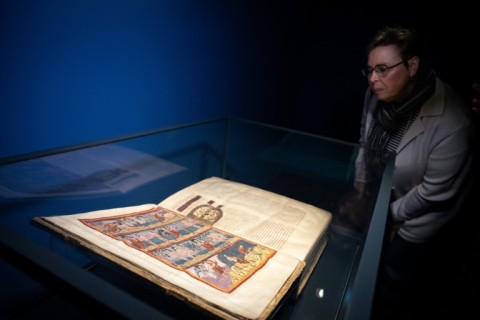
The Bible is going on show in the museum's basement, behind a thick steel door. Sealed inside a glass cabinet, it is the only object in the bare, darkened room.

AFP | SEBASTIEN BOZON

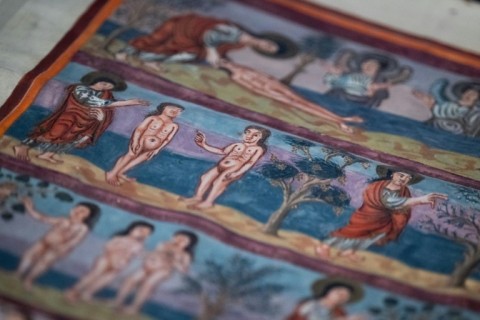
It is open on the first page, showing a vivid illustration of the story of Adam and Eve - its colours still remarkably bright - from the Book of Genesis.

For optimum conservation conditions, only five people at a time are allowed in the room, for five minutes only.

"The Moutier-Grandval Bible really is a masterpiece of scribal and artistic endeavour," said Claire Breay, head of ancient, mediaeval and early modern manuscripts at the British Library.

"It is one of the greatest treasures of the British Library," where it is periodically displayed on rotation.

"This spectacular, 1,200-year-old, hand-written Bible, with this wonderful decoration, is still bringing people together and bringing, joy, awe and wonder to everyone who sees it."

The 450 leaves, or 900 pages, measure 50 by 37.5 centimetres (20 by 15 inches), with text written in two columns of 50 to 52 lines each. The skins of 210 to 225 sheep were required to produce the parchment.

AFP | SEBASTIEN BOZON

It contains four full-page illustrations and around 20 copyist monks worked on the text, written in Latin in highly legible Carolingian minuscule script.

"It's very emotional to see it in real life: it's completely different from seeing a reproduction of it in a book or online," said book historian and co-curator Angeline Rais.

"People can see how big it is, how beautiful the colours and the gold still are," she told AFP.

- Unravelling the mysteries -

"There's a lot of mystery around the Bible," said Rais.

How it came to Moutier-Grandval remains uncertain.

AFP | SEBASTIEN BOZON

The Bible was left behind by canons and forgotten about until it was found, according to legend, in a Delemont attic in the late 1810s or early 1820s. It was sold to an antiques dealer in 1822.

It was eventually sold to the British Museum in 1836 for £750, or $93,600 in today's money.

With much of its back story so little known, the Bible even today remains shrouded in a degree of mystery: how it was transported from London to Delemont, and all matters of security, remain a guarded secret.

Rais said it had "enormous" resonance for the region.

The founding of Moutier-Grandval Abbey, in around 640, is seen as the starting chapter in local history.

"There is a really, really strong link between the community here of Delemont, of Jura, and the Bible," Rais told AFP.

AFP | SEBASTIEN BOZON

The exhibition opens to the public from Saturday until June 8.

Research continues on the Bible, notably on the parchment and the pigments used in the illustrations.

The museum's experts hope that the Bible will be displayed in the Jura again, and when it does, that studies will have finally unravelled the mysteries of its long journey.By Robin Millard Priceless ninth-century masterpiece Bible returns to Swiss homeland

Wednesday, 19 February 2025

A brief look at the long history of First Nations fashion design in Australia

Treena Clark, University of Technology Sydney

Aboriginal and Torres Strait Islander readers are advised this article contains names and images of deceased people, and links to old newspaper stories and research papers using outdated and potentially offensive terminology.


The ABC’s series The Way We Wore takes a look at stories of Australian fashion design and style.

First Nations people participated in the series and spoke about various periods and tales, looking at forced clothing policies during the Stolen Generation period, the contribution of Flinders Ranges/Adnyamathanha knowledge to the creation of the RM Williams iconic boot, and the emergence of First Nations fashion design from the 1970s and at Parisian fashion shows in the 1980s.

Yet, left out from the show was the rich backstory of our First Nations fashion design industry.

Prior to Parisian fashion shows, First Nations people showcased handmade clothing and accessories at 1800s international and national exhibitions, often as unpaid labour.

Earlier still, the making and crafting of animal and plant cloaks, skirts, belts, shoes and accessories were the original fashion designs.

Traditional clothing and adornment

Climates, materials and stories guided traditional fashion design.

Items were crafted from natural materials that eventually returned to the environment.

Footwear was made from animal skins, furs, and feathers, human hair and bark.

Cloaks were made from animal skin and plants, often inscribed with designs that reflected a person’s identity.

Intricate jewellery and accessories included head ornaments, necklaces, mourning caps, belts and bags, some made from highly traded pearl shells and rare seashells.

Today, we are seeing a resurgence around the country of these adornments and the role they play in healing, wellbeing and cultural practice.

Showcasing at trades and exhibitions

First Nations women and girls who lived on reserves, missions and schools were forced to learn sewing and many produced goods including hats, bags, baskets, jewellery and rugs.

These items were crafted from cultural or Western methods, using both traditional or introduced materials.

From the mid-1800s, their work was often produced for various tourist trades and national and international exhibitions.

One Melbourne CBD shop stocked woven baskets and bags from Victoria’s Coranderrk Reserve.

Sydney’s La Perouse Mission sold shell baskets in the city and later exhibited them at the Sydney Royal Easter Show and in London.

At the 1888 Melbourne Exhibition, the Queensland section presented pearl jewellery from Thursday Island and the Torres Strait.

While some of the women and girls from these institutions received pay for their work, many did not.

Emergence of fashion within the craft industry

From the 1930s, non-Indigenous textile artists and fashion designers started producing First Nations-inspired designs using motifs such as boomerangs, shields and “hunting stick figures”, without the permission or input from First Nations artists.

Partly in response to this popularity, craft centres within the missions and reserves established their own industry and several hired First Nations people to design cultural textiles and fashions.

Some of this early work in the 1940s included bags with traditional weaving styles, practical linens with cultural designs and unique Ernabella scarves.

As the newspaper The Sun reported from the Mount Margaret Mission in 1941:

One of the most interesting exhibits in the exhibition of Aboriginal handicrafts and school children’s work at the Y.W.C.A. to-day is a bag woven from wool in a native stitch. It has been adapted from old aboriginal work which is usually seen only in tribal grass weaving.

Children’s work from these institutions were often exhibited in Australia and internationally. There was particular overseas interest in turning art from the Carrolup Native settlement onto textiles for fashion garments.

The business of First Nations textiles and fashion

Economic and cultural autonomy became more attainable for First Nations people from the 1950s.

Bill Onus produced cultural furnishing fabrics with non-Indigenous artist Paula Kerry for his Melbourne Aboriginal Enterprises store.

First Nations women from the Coffs Harbour area started mass-producing fashions for the tourist trade using non-Indigenous designs in the mid-1960s.

By the late 1960s, First Nations designed textiles became a fully-fledged fashion industry.

In 1969, Tiwi Island clothing production and textiles had launched through Bima Wear and Tiwi Designs.

A few years later, other arts centres started crafting textiles for fashion designs.

Throughout the 1970s, fashion shows paraded these textiles and some First Nations people wore the designs at formal events.

Bronwyn Bancroft, the owner of the Sydney store Designer Aboriginals, and Euphemia Bostock and Mini Heath presented their garments at the Parisian Au Printemps Department Store in 1987.

The 21st Century and beyond

By the start of the new millennium, Robyn Caughlan, in collaboration with Benjamin Mach, was the first Indigenous designer to contribute to a fashion collection at Australian Fashion Week.

Two decades later at Australian Fashion Week 2023, Denni Francisco’s brand Ngali was the first Indigenous label to present a standalone collection.

Today, many First Nations labels promote their designs internationally in Paris, Milan, London, and New York. There are now several First Nations fashion bodies to support them in the industry.

These bodies connect with national and international fashion weeks and art fairs, and have insight into cultural appropriation and Intellectual Property Rights.

For First Nations people, fashion and style are significant channels through which culture, identity, healing and social change can be communicated and practised.

Learning about the foundation of First Nations fashion design is vital to understanding Australian history and advocating connection, wellbeing, expression and sustainability.The Conversation

Treena Clark, Chancellor’s Postdoctoral Indigenous Research Fellow, Faculty of Design, Architecture and Building, University of Technology Sydney

This article is republished from The Conversation under a Creative Commons license. Read the original article.

Friday, 7 February 2025

Indian Governor Offers $1 Million to Anyone Who Can Decipher This 5,300-year-old Writing System

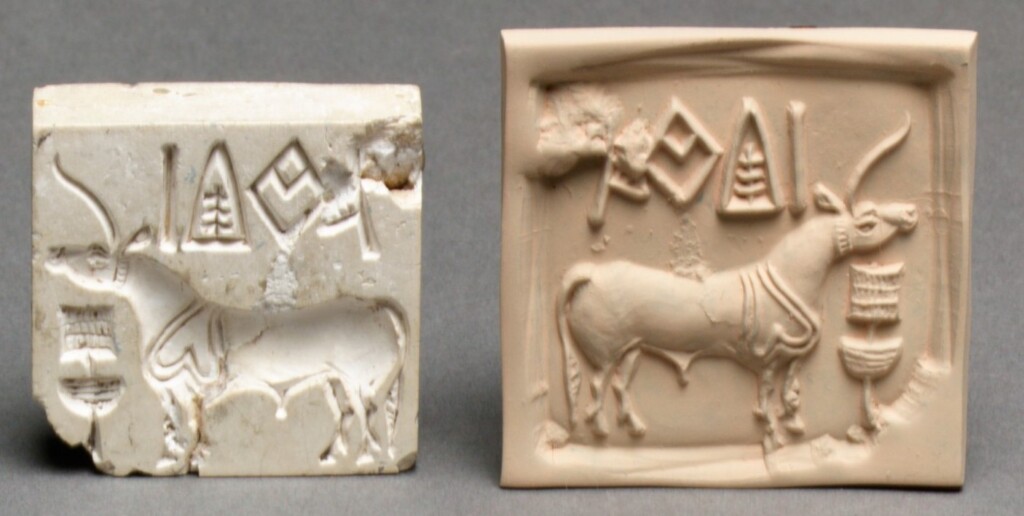
Stamp seals in the Indus Valley script.

An Indian state governor has offered a $1 million reward to anyone who can prove definitively they’ve deciphered the script of the Indus Valley Civilization.

One of the oldest urban societies in history, the Indus Valley, or Harappan people began building settlements in the Indus River Valley in Pakistan/India 5,500 years ago.

They left behind a script and language that have yet to be deciphered, and M.K. Stalin, the Chief Minister (equivalent to a US governor) of Tamil Nadu, has offered a massive bounty to any codebreakers who are able to do so.

Mr. Stalin announced the prize after a recent scientific publication linked a variety of graffiti marks found on ancient Tamil pottery to the Harappan script, and believes there may be a connection with these two ancient lands.

If there were, it would be almost as remarkable a discovery as the ability to read the various seal stamps and symbols on Harappan artifacts, as Tamil Nadu is the southernmost state on the Indian subcontinent, thousands of miles away from the Harappan heartland.

Numerous efforts by linguistic scholars have been made to try and gain some understanding of how to read the language, but all have failed. According to the BBC, many modern IT workers and AI pioneers are contacting the government of Tamil Nadu claiming they have cracked the code, so to speak, but scholars are doubtful machine learning and algorithms alone can make any headway.

The total research base is around 4,000 inscribed or stamped artifacts of pottery, sandstone, and copper, consisting of around 68 symbols. Most of these bear only very brief inscriptions—between 5-6 characters—with the single longest measuring 34 symbols.

Does this brevity mean the Harappan script is logographic such as Chinese or Egyptian hieroglyphics? Some have attempted to link Harappan to Sumerian, or even more obscure writing systems like proto-Elamite, but according to scholars publishing around the turn of the 21st century, there’s as yet no substantial connection between Harappan and anything else.

This isn’t necessarily unusual in history, as many societies invented their own writing systems, and researchers would probably be happy to grant that the Harappans did the same. It’s just that, without any translatory document, such as the famous Rosetta Stone, granting that means accepting that there’s no way to read it at this time; and where’s the fun in that?

Throughout the history of linguistics, scholars have often had to try and figure out whether ancient writing systems were printed versions corresponding to the spoken lingua franca of the society, or were purely writing systems.

All these questions and more face any intrepid techies, archaeologists, and scholars who want to try and grab that $1 million prize, as well as the honor of solving one of the biggest outstanding mysteries in human communication.

Cash prizes, ancient documents, and artificial intelligence featured in the news last year when a Silicon Valley tech entreprenuer offered $750,000 to anyone who could figure out how to decipher carbonized scrolls from a library in the Roman city of Pompeii. Burid under mountains of ash and pummis, they were preserved, but any attempt to unroll them resulted in instant dissolving of the documents.

A trio of young students shared the reward for achieving different degrees of success in somehow identifying the written Greek from the burnt papyrus.A separate linguistic team studying the decoded texts provide this sentence—from an Epicurean philosopher writing almost 2,000 years ago: “…as too in the case of food, we do not right away believe things that are scarce to be absolutely more pleasant than those which are abundant.” Indian Governor Offers $1 Million to Anyone Who Can Decipher This 5,300-year-old Writing System

Wednesday, 5 February 2025

Indian American says he’s solved the mystery behind 4,500 years old Egyptian Pyramids

Rajan Hooda. PHOTO: Rajan Hooda courtesy SAH

Indian American Rajan Hooda, PhD., a former McKinsey consultant and Senior Banker, has claimed to have unraveled the mystery behind the construction of Egyptian giant pyramids after dedicating over 50 years to the quest.

In his 20-page research paper, “How the Pyramids Were Built,” Hooda presents the “Theory of The Conjoint Solution and The Shrinking Dual L Notch Ramps,” which according to him offers fresh insights into the engineering marvels of ancient Egypt.

Hooda, an alumnus of IIM Ahmedabad, with an MBA and Ph.D. from the Booth School of Business, at the University of Chicago, describes his work as providing “irrefutable evidence,” for his theory on the construction method, which he believes solves the ongoing mystery of Egyptian Pyramids.

About his findings, Hooda told South Asian Herald, “I remember being captivated as an eight-year-old when I first heard of ‘one of the great mysteries in the history of mankind – a puzzle unsolved for the past 4,500 Years.’ As a senior at Doon School, I remember spending hours in the large open library reading room, pouring over books on the pyramids and endlessly admiring the photos of these magnificent structures.”

Reflecting on his five-decade-long “labor of love and persistence,” Hooda, expressed satisfaction at finally piecing together what he describes as an “immense three-dimensional jigsaw puzzle.”

“I first saw the pyramids during my Egypt visit in 1996. I had every fact, and all the physical dimensions of the pyramids at my fingertips, but I was not prepared for what I saw. Standing before the giant pyramid was an otherworldly experience for me,” Hooda explained. “The audacious scale, the perfect visual symmetry, the awe-inspiring presence were nothing that pictures and statistics of its size and shape can ever hope to even remotely capture. My fascination with, and passion to solve, its mystery, only multiplied.”

In his research paper, Hooda argues that the prevailing theories about pyramid construction, such as the use of an exterior ramp larger than the pyramid itself or a complex interior tunnel ramp are structurally “untenable.” He went on to say, “I realized after extensive analysis that the only solution had to have the advantages of both – i.e., simplicity of the exterior ramp as well as the benefit of efficiency of construction of the interior ramp – while not having the disadvantages of either.”

According to Hooda, this understanding led to the concept of the ‘L Notch Ramp,’ a design integrated into the pyramid’s structure. The ramp functioned as a cut-out notch within the footprint of each stone layer. Hooda describes the pyramid as being constructed like a “layer cake,” with 210 layers of stones.

He further elaborated that during the construction of the lowest layer, a small portion in one corner was left incomplete to form a rising ramp from the ground to the top of the first layer, a height of 4.5 feet. This ramp facilitated the transport of stones for the second layer. Similarly, a portion of the second layer was left unfinished to extend the ramp from the top of the first layer to the top of the second, and so on, throughout the construction process.
This was now used to transport stones to build the third layer. This process was repeated 209 times till the pyramid was finished. Then, starting from the top, the highest level of the ramp was removed, and the missing stones of level 209 were put into place to finish this level,” he added. “This reverse process of ramp removal and placement of missing stones was repeated 209 times ending in the lowest level being completed last. Because the ramp used is not an exterior ramp, nor an interior one, it is an ‘L Notch Ramp’ since it is built like a cut-out notch within the footprint of each layer of stones.”Hooda proposed that the ancient Egyptians likely used a dual “L Notch Ramp,” system for pyramid construction, with one ramp for moving stones upward and a smaller ramp for workers to descend. This method, which left no visible traces after the ramps were dismantled, helps explain the long-standing mystery of Egyptian pyramids logistics.His painstaking research also highlights evidence of this approach, such as the smaller stones used at the pyramid’s higher levels—a design compromise necessitated by the L Notch Ramp system. It also identifies eight interlocking components that form an integrated explanation for the construction, providing comprehensive proof of the method.
  • Remarkable Efficiency: No external construction needed.
  • Genius Simplicity: Requires only simple technology of small ramps.
  • Innovative L Notch Ramp: A unique dual-purpose interior/exterior design.
  • Elegant Logistics: Two ramps ensure one-way, efficient transport of stones and labor.
  • Methodological Invisibility: This technique leaves no evidence of its use/methodology.
  • Significant Design Compromise: Smaller stones at the top were essential; No other building method requires this compromise.
  • Shrinking L Notch Ramps: A necessity for the highest levels, forcing the design compromise.
  • Complete Problem Definition: The Conjoint Solution and The Shrinking Dual L Notch Ramps connect/resolve all the pieces of the pyramids puzzle.
“The solution cannot come together from a subset of these components. Since past researchers never recognized many of these components, they never saw the complete puzzle. By attempting to solve only part of the puzzle, the complete puzzle of the pyramid’s construction, as a result, became unsolvable,” emphasized Hooda.

The full paper, “How the Pyramids Were Built,” can be accessed at HTPWB.com.(Used under special arrangement with SAH) Indian American says he’s solved the mystery behind 4,500 years old Egyptian Pyramids

Sunday, 19 January 2025

The world’s largest gathering: how India plans to keep 400 million pilgrims safe at the Maha Kumbh Mela festival

Imagine a gathering so large it dwarfs any concert, festival, or sporting event you’ve ever seen. In the Kumbh Mela, a religious festival held in India, millions of Hindu pilgrims come together to bathe in rivers considered sacred.

This year more than 400 million people are expected to attend the Kumbh Mela in the city of Prayagraj across 48 days.

How do you manage a crowd of this magnitude, in which the challenges are as colossal as the event itself?

The Kumbh Mela’s significance

The 2025 Kumbh Mela officially kicked off yesterday. Already, millions of people have taken a bath at the Triveni Sangam, the confluence of India’s most sacred river, the Ganges, with the Yamuna River and the Saraswati River.

The Kumbh Mela is one of the most important religious festivals in Hinduism and the largest human gathering on Earth. It is held periodically at one of four sacred locations – Prayagraj (formerly Allahabad), Haridwar, Nashik, and Ujjain – on a rotational basis, depending on specific astrological alignments.

There are four types of Kumbh Melas. The festival that’s currently on, the Maha (great) Kumbh Mela, takes place every 12 years at Prayagraj, in the state of Uttar Pradesh. It holds the highest significance due to its rarity, scale and profound spiritual importance.

The event draws millions of devotees, ascetics and spiritual leaders who come to bathe in sacred rivers, a ritual believed to cleanse sins and grant liberation from the cycle of life and death.

The festivals’ origins are rooted in Hindu mythology, and specifically in the story of the Samudra Manthan, or the churning of the ocean of milk. According to this legend, gods and demons churned the ocean in search of the nectar of immortality (amrita). During this struggle, drops of the nectar fell at the four sites where Kumbh Mela events are now held.

A great pilgrimage brings great risks

Mass gatherings, regardless of their purpose, carry inherent health and safety risks. The sheer scale of these events makes overcrowding and crowd crushes a constant threat, even without other risk factors.

However, religious gatherings add yet another dimension of risk. The heightened emotions and urgency associated with such events can escalate the potential for disaster.

India, with its tradition of large-scale religious festivals, has tragically become a hotspot for crowd-related catastrophes. Nearly 70% of India’s deadly crowd disasters have happened during religious mass gatherings.

This reality was underscored just last week, on January 8, when six people were killed in a crush near a temple in southern India. Similarly, last year’s Hathras crowd crush resulted in 121 deaths.

The Kumbh Mela hasn’t been immune either. Its history is marked by several tragedies.

The 1954 Kumbh Mela in Prayagraj remains one of the deadliest crowd disasters in history, with at least 400 people having been trampled to death or drowning in a single day. Some accounts suggest the actual death toll was much higher.

Subsequent festivals have also seen devastating incidents, such as:

Reports of crowd disasters during the event date back as far as 1820, showing this challenge is far from new.

How has India prepared in 2025?

Indian authorities have implemented a range of measures to manage this year’s event in Prayagraj, using modern solutions and technology to tackle an age-old safety challenge.

A temporary tent city has been erected on the riverbanks in Prayagraj, with some 160,000 tents, 150,000 toilets and temporary hospitals.

Infrastructure upgrades include 98 “special trains” introduced to ensure smooth transport, along with centralised “war rooms” to monitor the operations.

On the ground, about 40,000 police officers have been deployed to maintain security.

Authorities have also installed 2,700 CCTV cameras across the grounds, all of which are integrated into an AI-powered surveillance system.

This setup enables the real-time monitoring of crowds, with AI used to analyse live feeds from thousands of fixed and drone cameras positioned across key festival zones, including entry points, bathing areas and congregation spaces.

Algorithms are used to measure the number of people in specific areas and provide information on crowd density. If density thresholds are exceeded, authorities are alerted and can respond on the ground, mitigating the risk of overcrowding and potential crushes.

For the first time, underwater drones are also being used to monitor the riverbeds of the Ganges and Yamuna.

Smaller gatherings remain a concern

The combination of massive, dense crowds, coupled with the deep devotion and excitement inherent in religious mass gathering, creates dynamics that are prone to safety risks.

These factors introduce a level of unpredictability to crowd behaviour, which can make said crowds difficult to manage.

While it’s reassuring Indian authorities have taken proactive measures to mitigate risks associated with the Kumbh Mela, risks persist in smaller religious gatherings across the country.

Smaller events, while they often lack media attention and resources, have proven just as prone to catastrophe as major ones.

The safety measures rolled out at this year’s Maha Kumbh Mela should serve as a blueprint for managing religious and cultural gatherings across India.The Conversation

Milad Haghani, Senior Lecturer of Urban Risk & Resilience, UNSW Sydney

This article is republished from The Conversation under a Creative Commons license. Read the original article.
Friday, 3 January 2025

Australia has a remarkable history of outdoor cinema. Here’s why Netflix will never beat it

In December 1916, as war raged in Europe, an entrepreneurial pearl diver took a chance on some bleeding-edge technology and installed an outdoor cinema in one of the country’s most isolated towns – Broome, Western Australia.

Ted Hunter didn’t know much about cinemas. Not many people did at the turn of the 20th century. But that didn’t stop him beginning what has become a long history of outdoor cinema exhibition in Australia.

Sun Pictures in Broome opened with Jack Hulcup’s 1913 silent film Kissing Cup, in which a “squire’s jockey” escapes kidnappers and gallops across the Isle of Wight in time to win the race. Huzzah.

More than a century later, Sun Pictures still stands – the world’s oldest operating open-air cinema.

While the Guinness World Record is a nice-to-have, Sun Pictures’ survival has been ensured not by the latest Hollywood blockbuster, but by what the cinema offers locals and visitors each night: a moviegoing experience that is at once unique and familiar.

Segregation at the movies

Before opening Sun Pictures, Hunter made his money as a master pearler. Pearl shells, which were turned into mother-of-pearl buttons, transformed the economic life of Broome in the late 1800s. Despite being so isolated, the pearling industry brought great riches to the town, while also entrenching workers along racial lines.

Racial segregation was firmly present in Broome’s “picture garden” for the first half of the 20th century. White Australians and their kids were seated in the middle, with Chinese and Japanese patrons behind them. Malays, Filipinos and First Nations people entered separately and were seated at the sides, or remained standing.

Aboriginal rights activist Charles Perkins would later directly challenge the segregation of Australian cinemas in his 1965 “Freedom Ride” throughout rural New South Wales.

Outdoors, from the comfort of your car

My colleague Tess Van Hemert and I have spent the past three years researching the cultures and practices of cinemagoing and how cinema sites shape this experience.

Outdoor cinemas – whether they be the picture gardens of Broome or the Yatala Drive-In – function as special sites of culture, connection and community.

During COVID lockdowns, social distancing measures particularly invigorated drive-in cinema attendance. But even after lockdowns ended, David Kilderry, the long-time operator of Melbourne’s Lunar Drive-in, remains clear on the appeal:

You could open up the car or even sit outside it and if cool, hop back inside and snuggle up in private. […] You can talk about the film as it runs. Kids can ask questions and parents can explain. Patrons can use phones during the film without interrupting others, and babies and infants won’t annoy other customers […] The drive-in has always been more than just a movie experience. It’s where the two icons of the 20th century come together: the motion picture and the automobile.

While the Lunar was shuttered in 2023, Kilderry said this decision was less about the 400,000 annual patrons and more about the land tax implications of keeping a site of that size viable.

But it’s not all doom and gloom for drive-ins. Kilderry notes many operators now own their land, rather than trying to constantly negotiate leases.

There are currently about 12 drive-ins running regularly across Australia, with a few more opening for the occasional screening. New drive-in developments are also planned for Perth, pending local consultations.

Connecting with others and the environement

Beyond drive-ins, Sun Pictures is in good company with a range of locations around the world that actively celebrate outdoor cinema.

During the European summer, open-air cinemas are popular in countries such as Germany and Italy. In Bologna, three large piazzas – Piazza Maggiore, Arena Puccini and Piazzetta Pasolini – are set up as cinemas for the annual Cinema Ritrovato festival.

Closer to home, the University of Western Australia’s Somerville Auditorium, framed by a “tree cathedral” of mature Norfolk pines, has long been a place of unique outdoor cinema experiences.

Perth Festival film programmer Tom Vincent understands the distinct pleasures of outdoor cinemagoing:

The m ost memorable cinemagoing anywhere will always engage the audience’s sense of place, usually through architecture and experience design. […] It includes a natural sensory mix that includes river breezes, ambient sounds and wildlife, alongside a sense of grandeur and good programming. Good outdoor cinema says ‘look, we are here, engage all your senses’.

But while seasonal outdoor cinemas such as the Moonlight Cinemas continue to operate around Australia – alongside local council park screenings – openings of new permanent outdoor cinemas are rare.

Phoebe Condon, manager of the new permanent Dendy Powerhouse Outdoor Cinema in Brisbane, explained how the site positions itself as a high-value leisure experience:

It’s more than just a night at the movies – it’s a destination […] What truly sets us apart from other outdoor cinemas is our focus on creating an elevated, year-round experience.

This framing of outdoor cinema as an “elevated experience” is vital. While the cost of cinemagoing has come up as a key consideration in our research (especially in the current economic context) the industry is quick to remind consumers it remains affordable compared with other out-of-home arts and leisure experiences such as live sports, music, comedy and theatre.

Despite legitimate cost-of-living concerns, census data continues to show cinemagoing as the nation’s most popular cultural activity.

Why Neflix can’t replace cinemas

Our research on Australian cinemagoing supports broader arguments for a more holistic understanding of cinema’s value in society. Cinemagoing shouldn’t be compared to your Netflix subscription, but to other leisure activities people get up and leave the house for.

As the International Union of Cinemas notes, “films reflect national culture or subcultures and the wider world to the audience; they frame moral and political discussions; and they entertain and educate”.

We also know cinemagoing has never stood still. Ever since Hunter took a chance on outdoor cinema in 1916, these spaces have evolved constantly to respond to new challenges and shifting appetites.

But one aspect remains the same: whether sat under the stars, or parked in a lot, Australians continue to see the value in leaving their homes to connect and share in new stories on the big screen.The Conversation

Ruari Elkington, Senior Lecturer in Creative Industries & Chief Investigator at QUT Digital Media Research Centre (DMRC), Queensland University of Technology

This article is republished from The Conversation under a Creative Commons license. Read the original article.

Wednesday, 20 November 2024

US announces return of over 1,400 looted artefacts to India

In a significant move to repatriate cultural heritage, the United States announced the return of over 1,400 looted artefacts valued at 10 million dollars to India. The items, part of an ongoing initiative to restore stolen art to South and Southeast Asia, include pieces recently displayed at New York’s Metropolitan Museum of Art. Among the returned treasures is a sandstone sculpture of a celestial dancer, illicitly transported from central India to London before being sold to a Met patron and subsequently donated to the museum.

Manhattan District Attorney’s Office revealed the recovery was the result of ‘several ongoing investigations’ targeting looting networks, including those run by convicted art traffickers Nancy Wiener and Subhash Kapoor. Kapoor, a former antiquities dealer, was sentenced to 10 years in prison for managing a multimillion-dollar looting operation through his New York gallery. After his arrest in Germany in 2011, Kapoor was extradited to India, where he awaits further legal proceedings and extradition to the US.

According to several media sources, William Walker, a special agent with Homeland Security Investigations in New York, described the event as a milestone in the multiyear international effort to dismantle Kapoor’s vast network. A formal handover ceremony took place at the Indian consulate in New York, underscoring the strengthened cultural ties between the two nations. This development follows the US-India agreement signed in July to combat illegal trading of cultural property and expedite the return of stolen artefacts.

Just two months earlier, the US had returned 297 artefacts to India, spanning 4,000 years from 2000 BCE to 1900 CE. These items originated from across India, with many terracotta pieces from Eastern India, alongside stone, metal, wood, and ivory artefacts. The Ministry of External Affairs noted that since 2016, the US has repatriated 578 cultural items to India, the largest number returned by any single country. Notable instances include the return of 10 antiquities during Prime Minister Narendra Modi’s US visit in 2016, 157 in 2021, and 105 in 2022. The restitution of these artefacts reflects a growing emphasis on cultural cooperation between India and the US, marking a positive chapter in the preservation of global heritage. US announces return of over 1,400 looted artefacts to India

Tuesday, 9 July 2024

World's oldest artwork discovered in Indonesian cave

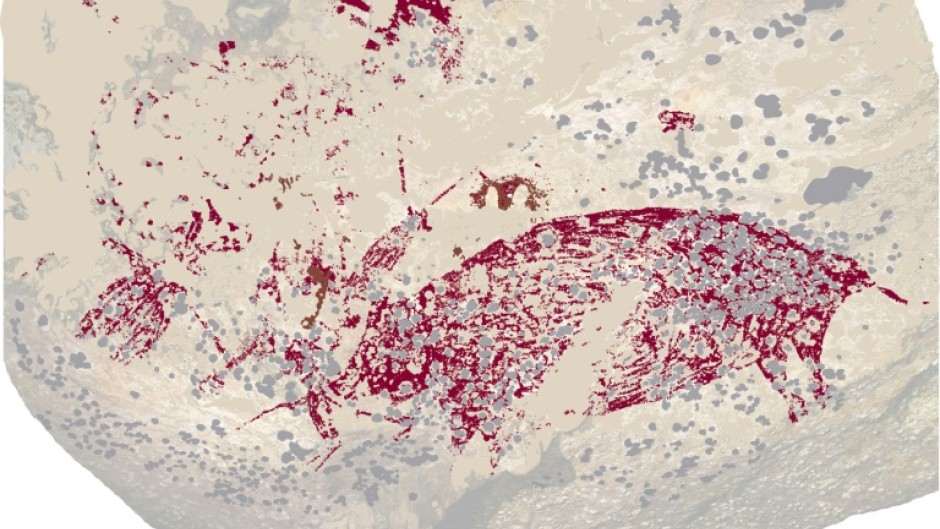
It may not look like much -- just a flaking image of three people around a big red pig.

PARIS - It may not look like much -- just a flaking image of three people around a big red pig.

But the humble cave painting discovered in Indonesia is the oldest known narrative artwork ever made by human hands, dating back more than 51,000 years, new research said on Wednesday.


"This is the oldest evidence of storytelling," Maxime Aubert, an archaeologist at Australia's Griffith University, told AFP.

Aubert was part of the team that identified the previous record holder in 2019, a hunting scene found in a nearby Indonesian cave then estimated to be nearly 44,000 years old.

The latest discovery, which was dated using a new laser technique, marks "the first time we've passed the 50,000-year barrier," said Aubert, a co-author of a new study in Nature describing the find.

That early humans were able to tell such a "sophisticated" story through art could rewrite our understanding of human cognitive evolution, he added.

"Our discovery suggests that storytelling was a much older part of human history... than previously thought," study co-author archaeologist Adam Brumm told a press conference.

- New laser dating -

For the discovery, the researchers used a new method that uses lasers and computer software to create a "map" of rock samples.

This laser ablation technique is more precise, easier, quicker, cheaper, and requires much smaller rock samples than the previous uranium series method, Aubert said.

The team first tested the new technique on the previous record holder.

It determined that the hunting scene was actually at least 48,000 years old -- 4,000 years older than the uranium series method determined in 2019.

The team then tried the laser method out on a previously undated painting first spotted in a cave on Indonesia's Sulawesi island in 2017.

It was found to to be least 51,200 years old, smashing the previous record.

The painting, which is in poor condition, shows three people around a wild pig.

"We don't know exactly what they're doing," Aubert admitted.

He speculated that the paintings were likely made by the first group of humans who moved through Southeast Asia before arriving in Australia around 65,000 years ago.

"It's probably just a matter of time before we find samples that are older," Aubert added.

- Art gap mystery -

Humans first evolved in Africa more than 300,000 years ago.

The first images known to have been made by humans are simple lines and patterns made in ochre found in South Africa dating back 100,000 years.

But then there is a "huge gap" in human art until the Indonesian cave paintings 50,000 years later, Aubert said.

"The question is, why is it not everywhere?"

One theory is that artwork elsewhere did not survive all those millennia. Another is that ancient art could still be out there waiting to be discovered.

Previously the first narrative art was thought to have emerged in Europe. A "lion man" statue found in Germany has been dated to around 40,000 years ago.

The date given for the Indonesian cave art is "quite provocative" because it is so much older than what has been found elsewhere, including in Europe, said Chris Stringer, an anthropologist at London's Natural History Museum.

Stringer, who was not involved in the research, said the experienced team's findings looked sound but needed to be confirmed by further dating.

"In my view this find reinforces the idea that representational art was first produced in Africa, before 50,000 years ago, and the concept spread as our species spread," he told AFP.

"If that is true, much new supporting evidence from other areas including Africa has yet to emerge..."

Thursday, 25 April 2024

At Just 19, Runner with Down’s Syndrome Makes History as the Youngest Impaired Person to Finish the London Marathon

Mom Ceri and her son Lloyd at the opening of the race – released to the press by family

19-year-old Lloyd Martin has become the youngest person ever to finish the London Marathon with Down Syndrome.

Receiving a Guinness World Records plaque at the finishing line, Martin says it’s a dream come true, and celebrated the 26.4 miles with some pretty fly dance moves for someone with impaired motor function.

He ran continuously for the first 14 miles—a personal best—before switching to bouts of walking and jogging.

“In Lloyd’s words, it’s achieving his dream,” said his mom, Ceri Hooper. “Really anything is possible if


you put your mind to it. With a bit of work, you can achieve it.”

Hooper represented Wales internationally in track and field competitions, and ensured that her son Lloyd had all the training and motivation he needed when he set his mind on the task of a marathon.

He had developed his strength and stamina mainly through 5k races.

She herself has run six marathons in her life: 4x in London, the Boston Marathon, and the Chicago edition.The Special Olympics organization for Great Britain helped Lloyd get everything prepared for the race, where he became the youngest person ever to finish in the intellectual impairment category. At Just 19, Runner with Down’s Syndrome Makes History as the Youngest Impaired Person to Finish the London Marathon