bloggggg

Home  |  Live  |  Science  |  Lifestyle  |  Entertainment  |  Broadcast  |  Games  |  eBooks  |  Astounds  |  Adbite  |  Cricbell  |  Cyber  |  Idea  |  Digital  |  Privacy  |  Publish  |  ePaper  |  Contact  .Subscribe.Subscribe.Subscribe.Subscribe.Subscribe.Subscribe.Subscribe.Subscribe.Subscribe
Subscribe

Thursday, 25 September 2025

India’s smartphone market grows 2 pc in 1H25: Report


IANS Photo

New Delhi, (IANS): India’s smartphone market grew by 2 per cent year-on-year (YoY) in the first half of 2025, with 60 million units shipped, a new report said on Friday.

Apple emerged as the fastest-growing brand with a strong 35 per cent jump in shipments, according to data compiled by International Data Corporation (IDC).

The report said that premium smartphones priced above Rs 50,000 played a big role in driving growth, while the mid-range segment of Rs 10,000–20,000 remained the largest in terms of overall volumes.

“Regionally, the northern states led the market with 33 per cent share, while the southern region grew the fastest,” the report said.

Smaller Tier-4 cities, including Mysore and Shimla, also recorded strong double-digit growth, showing rising demand beyond metros and big towns.

Meanwhile, another report by CyberMedia Research (CMR) said India’s premium smartphone market is set to grow by 18 per cent in sales and 24 per cent in value during the upcoming festive season.

Within this, super-premium devices in the Rs 50,000–1,00,000 category are expected to grow 15 per cent, while the uber-premium segment priced above Rs 1,00,000 could see a massive 167 per cent surge.

According to Prabhu Ram, VP–Industry Research Group at CMR, aspirational buyers, especially Gen Z and millennials, are driving the premium segment as they seek powerful devices that match their digital lifestyles.

“With increasing accessibility and affordability initiatives, more consumers are now looking to buy the latest premium devices,” he said.

Samsung, Apple and OPPO led the premium smartphone market in July with 28 per cent, 23 per cent and 11 per cent share, respectively.

Apple, backed by its latest iPhone 17 series and steady demand for older iPhones, is well placed for a strong festive season, the report added.

Consumers are also giving more importance to chipsets that power smartphones. Features such as seamless multitasking, high-end gaming, advanced cameras and AI-driven experiences are becoming top priorities for buyers.Analysts said that while overall smartphone market growth remains modest, strong demand in the premium segment and intensifying competition among brands will give Indian buyers more options this festive season. India’s smartphone market grows 2 pc in 1H25: Report | MorungExpress | morungexpress.com

Thursday, 14 August 2025

Global 5G Modem Market is projected to grow at a CAGR of 12.45% from 2024 to 2032, reaching a value of USD 5.6 billion by the end of the forecast period


Posted by Harry Baldock, Press Release: The 5G modem is vital in the changing telecom landscape. It connects devices to ultra-fast, low-latency 5G networks.

Devices such as 𝐬𝐦𝐚𝐫𝐭𝐩𝐡𝐨𝐧𝐞𝐬, 𝐚𝐮𝐭𝐨𝐧𝐨𝐦𝐨𝐮𝐬 𝐜𝐚𝐫𝐬, 𝐬𝐦𝐚𝐫𝐭 𝐟𝐚𝐜𝐭𝐨𝐫𝐢𝐞𝐬, 𝐚𝐧𝐝 𝐈𝐨𝐓 𝐬𝐲𝐬𝐭𝐞𝐦𝐬 benefit from high-speed data, quick communication, and smooth connections due to 5G modems. This is why the 5G modem market is expanding rapidly.

𝐆𝐞𝐭 𝐭𝐡𝐞 𝐟𝐮𝐥𝐥 𝐫𝐞𝐩𝐨𝐫𝐭 @ https://tinyurl.com/2muufj72

Tech companies are putting significant money into 𝐀𝐈, 𝐜𝐥𝐨𝐮𝐝, 𝐚𝐧𝐝 𝐞𝐝𝐠𝐞 𝐜𝐨𝐦𝐩𝐮𝐭𝐢𝐧𝐠 to improve 𝟓𝐆 𝐦𝐨𝐝𝐞𝐦𝐬. Features like 𝐦𝐮𝐥𝐭𝐢-𝐠𝐢𝐠𝐚𝐛𝐢𝐭 𝐬𝐩𝐞𝐞𝐝𝐬, 𝐛𝐞𝐭𝐭𝐞𝐫 𝐞𝐧𝐞𝐫𝐠𝐲 𝐞𝐟𝐟𝐢𝐜𝐢𝐞𝐧𝐜𝐲, 𝐚𝐧𝐝 𝐧𝐞𝐭𝐰𝐨𝐫𝐤 𝐬𝐥𝐢𝐜𝐢𝐧𝐠 are becoming common.

The demand for 𝐬𝐦𝐚𝐫𝐭 𝐜𝐢𝐭𝐢𝐞𝐬 and 𝐜𝐨𝐧𝐧𝐞𝐜𝐭𝐞𝐝 𝐯𝐞𝐡𝐢𝐜𝐥𝐞𝐬, along with government backing for standalone 5G networks, is leading to the creation of new compact, multi-band, and mmWave-compatible modems. This greatly enhances the user experience.

𝐃𝐨𝐰𝐧𝐥𝐨𝐚𝐝 𝐬𝐚𝐦𝐩𝐥𝐞 𝐫𝐞𝐩𝐨𝐫𝐭 @ https://tinyurl.com/8nxym5my

𝐊𝐞𝐲 𝐆𝐫𝐨𝐰𝐭𝐡 𝐃𝐫𝐢𝐯𝐞𝐫𝐬:

🔸 𝐑𝐚𝐩𝐢𝐝 𝟓𝐆 𝐀𝐝𝐨𝐩𝐭𝐢𝐨𝐧: Telecom providers worldwide are launching 5G, increasing the need for high-speed modems for consumers and industries.

🔸 𝐆𝐫𝐨𝐰𝐢𝐧𝐠 𝐒𝐦𝐚𝐫𝐭𝐩𝐡𝐨𝐧𝐞 & 𝐃𝐞𝐯𝐢𝐜𝐞 𝐌𝐚𝐫𝐤𝐞𝐭: As major smartphone brands introduce 5G models, the demand for both integrated and standalone 5G modems is increasing.

🔸 𝐂𝐨𝐧𝐧𝐞𝐜𝐭𝐞𝐝 𝐕𝐞𝐡𝐢𝐜𝐥𝐞𝐬: 5G modems are essential for V2X (vehicle-to-everything) communication, offering fast and reliable connections for autonomous vehicles.

🔸 𝐈𝐨𝐓 & 𝐒𝐦𝐚𝐫𝐭 𝐂𝐢𝐭𝐲 𝐄𝐱𝐩𝐚𝐧𝐬𝐢𝐨𝐧: Billions of IoT devices, from smart meters to sensors, depend on strong 5G connections supported by efficient modems.

🔸 𝐀𝐈 & 𝐄𝐝𝐠𝐞 𝐂𝐨𝐦𝐩𝐮𝐭𝐢𝐧𝐠 𝐈𝐧𝐭𝐞𝐠𝐫𝐚𝐭𝐢𝐨𝐧: 5G modems work with edge computing to provide real-time data processing. This drives innovation in AR/VR, healthcare, and manufacturing.

𝐅𝐨𝐫 𝐦𝐞𝐝𝐢𝐚 𝐢𝐧𝐪𝐮𝐢𝐫𝐢𝐞𝐬, 𝐢𝐧𝐭𝐞𝐫𝐯𝐢𝐞𝐰𝐬, 𝐨𝐫 𝐚𝐜𝐜𝐞𝐬𝐬 𝐭𝐨 𝐭𝐡𝐞 𝐟𝐮𝐥𝐥 𝐦𝐚𝐫𝐤𝐞𝐭 𝐫𝐞𝐩𝐨𝐫𝐭, 𝐩𝐥𝐞𝐚𝐬𝐞 𝐜𝐨𝐧𝐭𝐚𝐜𝐭:

Ushmani

MarketIntel Reports


Wednesday, 13 August 2025

realme 15 Series — the Ultimate AI Party Phone built for smart photography

\

New Delhi, (IANS): There was a time when smartphones were celebrated for their design, with sleek frames, polished backs, and precision finishes. However, as the world became more visual, the camera quietly took center-stage.

No longer just a feature, it became the defining part of how we communicate, express ourselves, and remember moments. The lens evolved into a creative partner, capturing everything from spontaneous memories to carefully curated stories, turning smartphones into storytelling tools we carry in our pockets.

As smartphone cameras evolved, so did user expectations. It was no longer just about capturing a moment—but understanding it. That’s where AI stepped in. It now works behind the scenes to adjust lighting, detect subjects, refine skin tones, remove glare, and correct blur. This has resulted in photos that look polished, feel natural, and capture the moment exactly as you remember it instantly and effortlessly.

In this evolving space, the realme 15 Series, launching on July 24, arrives with a clear focus: to make AI the heart of the camera experience. It’s not about overwhelming specs, but about making everyday photography smarter, faster, and more effortless.

At the center of this is the AI Edit Genie, a voice-powered editor that simplifies post-production. It supports over twenty languages and lets users edit using simple spoken commands. Whether it’s removing distractions, replacing backgrounds, or applying stylistic effects, the AI Edit Genie makes complex edits feel instant and intuitive. For more expressive moments, AI Party Mode detects celebrations and adds dynamic lighting, vibrant watermarked frames, and scene-specific adjustments.
Smartphone deals

It brings energy to your photos without needing filters or manual edits. Then there’s AI MagicGlow 2.0, which fine-tunes portraits by enhancing skin tones, managing lighting, and keeping natural textures intact. Whether in bright daylight or low light, it ensures everyone in the frame looks their best.

All of this intelligence is built on strong hardware. The realme 15 Pro features a triple 50MP camera setup, led by the Sony IMX896 sensor with Optical Image Stabilization, along with an ultra-wide lens and high-resolution front camera. The system captures everything from detailed landscapes to sharp selfies, with each lens optimized to work seamlessly with AI.

Beyond photography the realme 15 Series supports 4K 60FPS recording on both front and rear cameras. Combined with AI-driven stabilization and smooth zoom transitions, it delivers cinematic results with minimal effort, perfect for vlogging, sharing, or simply preserving moments in high quality.

What makes the experience stand out is how everything works together. From capturing to editing to sharing, the realme 15 Series adapts to you, not the other way around.
Best cameras

At a time when smartphones are filled with specs and features that often feel disconnected, realme is choosing a different path — one where intelligent design, meaningful innovation, and user-first thinking come together to simplify creativity and make every moment look better. The realme 15 Series is more than just a camera upgrade. It’s a step toward a smarter, more seamless way to see, shoot, and share the world around you. realme 15 Series — the Ultimate AI Party Phone built for smart photography | MorungExpress | morungexpress.com

Wednesday, 30 July 2025

India moves from mobile phone assembler to global manufacturing hub: Industry

New Delhi, (IANS) Indian mobile exports beat domestic demand to become the primary driver of production, as the country moved from an import-reliant mobile market in 2014-15 to a global production and export hub in 2024-25, a study showed on Wednesday.Military tourism packages Since 2018-19, mobile phone net exports have been strong, as exports rising from $0.2 billion in 2017-18 to $24.1 billion in 2024-25. India is moving beyond just assembling imported parts to a deeper industrial base where complex components are manufactured locally. "India's mobile phone production saw a significant rise in Domestic Value Addition (DVA), both directly and through supporting industries. This suggests a maturing ecosystem with stronger domestic participation," said the study by the Centre for Development Studies (CDS), a social science research centre. The total DVA (direct + indirect) increased to 23 per cent, amounting to more than $10 billion in 2022-23. The country is now the world’s 3rd-largest exporter of mobile phones clocking $20.5 billion (CY2024) worth of exports. Government support since 2017 and strategic integration into global value chains (GVCs) after the launch of the Production Linked Incentive (PLI) scheme drive Indian success, the findings showed.Military tourism packages Mobile phone production industry employs 17 lakh workers in 2022-23. Jobs linked to exporting of mobile phones surged by over 33 times, the study found. “India’s success mirrors the path taken by other Asian economies — achieving scale first and deepening value addition over time. Continued government support in this space will remain critical over the next decade,” said Professor C. Veeramani, CDS Director and RBI Chair Professor. “With mobile phone manufacturing providing a blueprint for growth, India can replicate similar strategies across the electronics sector to position the country as a global manufacturing leader,” he added. On the findings of the study, Pankaj Mohindroo, Chairman, India Cellular and Electronics Association (ICEA), said, “This study reaffirms what ICEA has consistently advocated that strategic integration into global value chains is critical for scaling exports, enhancing domestic value addition, and creating jobs”. “The evidence clearly validates our position that India’s participation in backward-linked GVCs has delivered substantial gains to the country,” he added. India moves from mobile phone assembler to global manufacturing hub: Industry | MorungExpress | morungexpress.com

Thursday, 15 May 2025

46 pc Indian Gen Z says chip performance shaping their smartphone choices

New Delhi, (IANS): India’s Gen Z is becoming increasingly tech-savvy and informed, with nearly half (46 per cent) of them saying that chipset performance plays a key role in their smartphone purchase decisions, a new report said on Thursday.

Young users are no longer just choosing smartphones based on looks or price -- they now pay close attention to what powers their devices, said the report by CyberMedia Research (CMR).

According to Prabhu Ram, VP-Industry Research Group (IRG), CMR, “Gen Z is at a remarkable inflection point in history. They are the first globally connected generation, united by a shared fluency in technology.”

For them, smartphones are not just devices -- they are expressions of identity and tools for exploration.

“They demand high performance, whether it’s for gaming, content creation, or even in their expectations from cars, which they increasingly view as infotainment hubs. Powering all these seamless experiences are the next-generation chipsets,” said Ram.

The report highlights how Gen Z, the first true digital-native generation born into the smartphone era, is deeply engaged with technology.

From gaming to Generative AI, they are quick to adopt new tech experiences. Interestingly, the report found that Gen Z is not only aware of chipsets but many are also forming strong brand preferences based on performance and trust.

Gen Z's growing expectations are not limited to smartphones. The study found that they view cars as extensions of their digital lifestyles -- looking for smart vehicles with advanced safety features, fast charging, energy efficiency, and connected experiences.

In fact, 72 per cent of Gen Z believes connected vehicles will change the driving experience. Gaming is another area where Gen Z is highly active.

Nearly three out of four Gen Z users spend up to six hours a week on smartphone gaming. Social media and friends are their main sources for discovering new games.

A growing number are also interested in premium gaming experiences and competitive esports.Analysts said this new generation is shaping the future of consumer tech. They are demanding, curious, and well-informed -- qualities that push brands to innovate faster. 46 pc Indian Gen Z says chip performance shaping their smartphone choices | MorungExpress | morungexpress.com

Tuesday, 22 April 2025

Airtel to spot international spam calls; alert users in vernacular languages


New Delhi, (IANS) Bharti Airtel on Monday announced two major upgrades to its AI-based spam detection tool to protect users from spam calls and messages.

The telecom company will now alert customers about international spam calls and SMS messages.

In addition, users will receive spam alerts in their preferred Indian languages -- making it easier for people across the country to understand and respond to these warnings.

This new feature will be available in ten Indian languages, including Hindi, Marathi, Bengali, Gujarati, Tamil, Kannada, Malayalam, Telugu, Punjabi, and Urdu.

Airtel said more languages will be added in the future. Currently, the alerts in regional languages are available only for Android users.

The move comes after Airtel noticed a worrying trend. While the company’s spam detection tool had successfully reduced domestic spam, scammers started using foreign networks to make spam calls to Indian users.

This led to a 12 per cent increase in international spam calls over the last six months. The latest upgrade is aimed at stopping this new threat.

Airtel’s AI-powered tool, which was launched in September 2024, has already flagged more than 27.5 billion spam calls.

That’s equal to identifying around 1,560 spam calls every second. Since its launch, Airtel customers have also experienced a 16 per cent drop in spam calls.

Siddharth Sharma, Director, Marketing and CEO Connected Homes at Bharti Airtel, said that customer feedback played a big role in bringing these changes.

“With more spam traffic now coming from international sources, we’ve decided to expand our AI tool to monitor all foreign calls and messages. We’re also making it easier for customers to understand these alerts by offering them in their regional languages,” he said.These features are being automatically rolled out to all Airtel customers and will remain free of charge. Users don’t need to take any action to activate them, he added. Airtel to spot international spam calls; alert users in vernacular languages | MorungExpress | morungexpress.com

Wednesday, 17 July 2024

50% of time Indian users pick up their phones out of habit: Report

New Delhi, (IANS) One out of two (50 per cent) times Indian users pick up their phones without knowing why they fired up their smartphone, a new report revealed on Monday.

According to the global management consulting firm Boston Consulting Group (BCG), a typical smartphone user picks up the phone 70-80 times a day.

"In our research, we have seen about 50 per cent of the time consumers do not have clarity on why they pick up the phone -- they do it out of habit," said Kanika Sanghi, Lead - Centre for Customer Insights India.

The findings in the report are based on actual clicks/swaps data of over 1,000 users and in-depth consumer interviews conducted across India.

Moreover, the report found that 45-50 per cent of the time consumers are very clear on the task to be accomplished, and 5-10 per cent of the time consumers have partial clarity.

"Smartphones are evolving -- the recent spate of discussions in media and at industry events on themes like ‘AI on device’ or ‘app-less experience through Gen AI’ is a testament to that evolution," said Nimisha Jain, Senior Partner and Managing Director at BCG.The report also mentioned that Indian smartphone users love to stream video content (short-form/long-form) as 50-55 per cent of their time is spent on streaming apps, while socialising (texts/calls), shopping, searching (for information on travel, jobs, hobbies etc.) and gaming. 50% of time Indian users pick up their phones out of habit: Report | MorungExpress | morungexpress.com

Wednesday, 22 May 2024

Will New Zealand’s school phone ban work? Let’s see what it does for students’ curiosity

With the coalition government’s ban of student mobile phones in New Zealand schools coming into effect this week, reaction has ranged from the sceptical (kids will just get sneakier) to the optimistic (most kids seem okay with it).

In a world where nearly everyone has a smartphone, it’s to be expected nearly everyone will have an opinion. The trick is to sort the valid from the kneejerk, and not rush to judgement.

Anecdotally, schools that implemented the ban ahead of the deadline have reported positive changes in attention and learning. The head girl of Hornby High School in Christchurch said the grounds are now “almost louder during intervals and lunches”. Her principal said, “I wish we had done the phone ban five years ago.”

On the other hand, hard evidence in favour of banning phones in schools has been found to be “weak and inconclusive”. But the policy’s aim to create a “positive environment where young New Zealanders can focus on what matters most” is not without merit.

Above all, the policy raises a crucial question: is an outright ban the most effective approach to addressing the problem of digital distraction and its impact on education?

Connection and distraction

Since Monday, students have had to store their phones in bags or lockers during school hours. As in the pre-digital era, parents can now only contact their children through the school office.

The aim, according to the National Party’s original election promise, is to “eliminate unnecessary disturbances or distractions” and improve student achievement, which by various measures has declined over the past three decades.

While avoiding generalised assumptions, we know many young people can’t put their devices down, as both a recent Education Review Office report and a 2021 OECD survey concluded.

In one US survey in 2022, approximately one-third of teachers asked students to put away their phones five to ten times per class, while nearly 15% asked more than 20 times.

So, it’s hard to argue phones aren’t a distraction, or that social media-fuelled bullying and isolation don’t warrant critical examination of digital habits. At the same time, phones have their constructive uses, from organising schedules for the neurodivergent, to facilitating social interactions and learning.

No phone ban advocate is arguing that limiting phone use in schools is a silver bullet for related issues around cyberbullying, mental health and behavioural challenges. But the personal device’s capacity to distract remains a legitimate concern.

Meaningful digital engagement

The heart of the debate lies in education’s evolving landscape. The push to ban phones does not extend to digital devices in general, after all. Their utility in learning environments is well recognised.

But as we embrace artificial intelligence and other technological advances in education, we must also ask: at what point does reliance on these digital tools begin to erode critical thinking skills?

The future job market, filled with roles that do not yet exist, will undoubtedly require those skills. Therefore, distinguishing between meaningful digital engagement and detrimental distraction is crucial.

Perhaps the better question is: would fewer distractions create the opportunity for young people to be more curious about their learning?

Curiosity: the engine of critical thinking

Curiosity is essential for educational success, citizenship and media literacy in the digital age. But curiosity is stifled by distractions.

Education research is heading towards treating curiosity as a “provocation” – meaning we should, in effect, “dare” young people to be more curious. This involves encouraging mistakes, exploration – even daydreaming or being creatively bored.

All of this is challenging with the current level of distractions in the classroom. On top of that, many young people struggle to cultivate curiosity when digital media can provide instant answers.

Consider the distinction between two types of curiosity: “interest curiosity” and what has been termed “deprivation curiosity”.

Interest curiosity is a mindful process that tolerates ambiguity and takes the learner on their own journey. It’s a major characteristic of critical thinking, particularly vital in a world where AI systems are competing for jobs.

Deprivation curiosity, by contrast, is characterised by impulsivity and seeking immediate answers. Misinformation and confusion fuelled by AI and digital media only exacerbate the problem.

Making room for real life

Where does this leave the phone ban in New Zealand schools? There are some promising signs from students themselves, including in the OECD’s 2022 report on global educational performance:

On average across OECD countries, students were less likely to report getting distracted using digital devices when the use of cell phones on school premises is banned.

These early indications suggest phone bans boost the less quantifiable “soft” skills and vital developmental habits of young people — social interactions, experimentation, making mistakes and laughing. These all enhance the learning environment.

Real life experiences, with their inherent trials and errors, are irreplaceable avenues for applying critical thinking. Digital experiences, while valuable, cannot fully replicate the depth of human interaction and learning.

Finding the balance is the current challenge. As a 2023 UNESCO report advised, “some technology can support some learning in some contexts, but not when it is over-used”.

In the meantime, we should all remain curious about the potential positive impacts of the phone ban policy, and allow time for educators and students to respond properly. The real tragedy would be to miss the learning opportunities afforded by a less distracted student population.The Conversation

Patrick Usmar, Lecturer in Critical Media Literacies, Auckland University of Technology

This article is republished from The Conversation under a Creative Commons license. Read the original article.

Friday, 15 December 2023

How risky is it to give card details over the phone and how do I reduce the chance of fraud?

Paul Haskell-Dowland, Edith Cowan University and Ismini Vasileiou, De Montfort University

Paying for things digitally is so common, most of us think nothing of swiping or tapping our card, or using mobile payments. While doing so is second nature, we may be more reluctant to provide card details over the phone.

Merchants are allowed to ask us for credit card details over the phone – this is perfectly legal. But there are minimum standards they must comply with and safeguards to protect consumer data.

So is giving your card details over the phone any more risky than other transactions and how can you minimise the risks?

How is my card data protected?

For a merchant to process card transactions, they are expected to comply with the Payment Card Industry Data Security Standard. This is a set of security requirements designed to protect cardholder data and the trillions of dollars of transactions each year.

Compliance involves various security measures (such as encryption and access controls) together with strong governance and regular security assessments.

If the information stored by the merchant is accessed by an unauthorised party, encryption ensures it is not readable. That means stealing the data would not let the criminals use the card details. Meanwhile, access controls ensure only authorised individuals have access to cardholder data.

Though all companies processing cards are expected to meet the compliance standards, only those processing large volumes are subject to mandatory regular audits. Should a subsequent data leak or misuse occur that can be attributed to a compliance failure, a company can be penalised at levels that can escalate into millions of dollars.

These requirements apply to all card transactions, whether in person, online or over the phone. Phone transactions are likely to involve a human collecting the card details and either entering them into computer systems, or processing the payment through paper forms. The payment card Security Standards Council has detailed guides for best practice:

A policy should be in place to ensure that payment card data is protected against unauthorised viewing, copying, or scanning, in particular on desks.

Although these measures can help to protect your card data, there are still risks in case the details are misplaced or the person on the phone aren’t who they say they are.

Basic tips for safe credit card use over the phone

If you provide card details over the phone, there are steps you can take to minimise the chance you’ll become the victim of fraud, or get your details leaked.

1. Verify the caller

If you didn’t initiate the call, hang up and call the company directly using details you’ve verified yourself. Scammers will often masquerade as a well-known company (for example, an online retailer or a courier) and convince you a payment failed or payment is needed to release a delivery.

Before you provide any information, confirm the caller is legitimate and the purpose of the call is genuine.

2. Be sceptical

If you are being offered a deal that’s too good to be true, have concerns about the person you’re dealing with, or just feel something is not quite right, hang up. You can always call them back later if the caller turns out to be legitimate.

3. Use secure payment methods

If you’ve previously paid the company with other (more secure) methods, ask to use that same method.

4. Keep records

Make sure you record details of the company, the representative you are speaking to and the amount being charged. You should also ask for an order or transaction reference. Don’t forget to ask for the receipt to be sent to you.

Check the transaction against your card matches the receipt – use your banking app, don’t wait for the statement to come through.

Virtual credit cards

In addition to the safeguards mentioned above, a virtual credit card can help reduce the risk of card fraud.

You probably already have a form of virtual card if you’ve added a credit card to your phone for mobile payments. Depending on the financial institution, you can create a new credit card number linked to your physical card.

Some banks extend this functionality to allow you to generate unique card numbers and/or CVV numbers (the three digits at the back of your card). With this approach you can easily separate transactions and cancel a virtual card/number if you have any concerns.

What to do if you think your card details have been compromised or stolen?

It’s important not to panic, but quick action is essential:

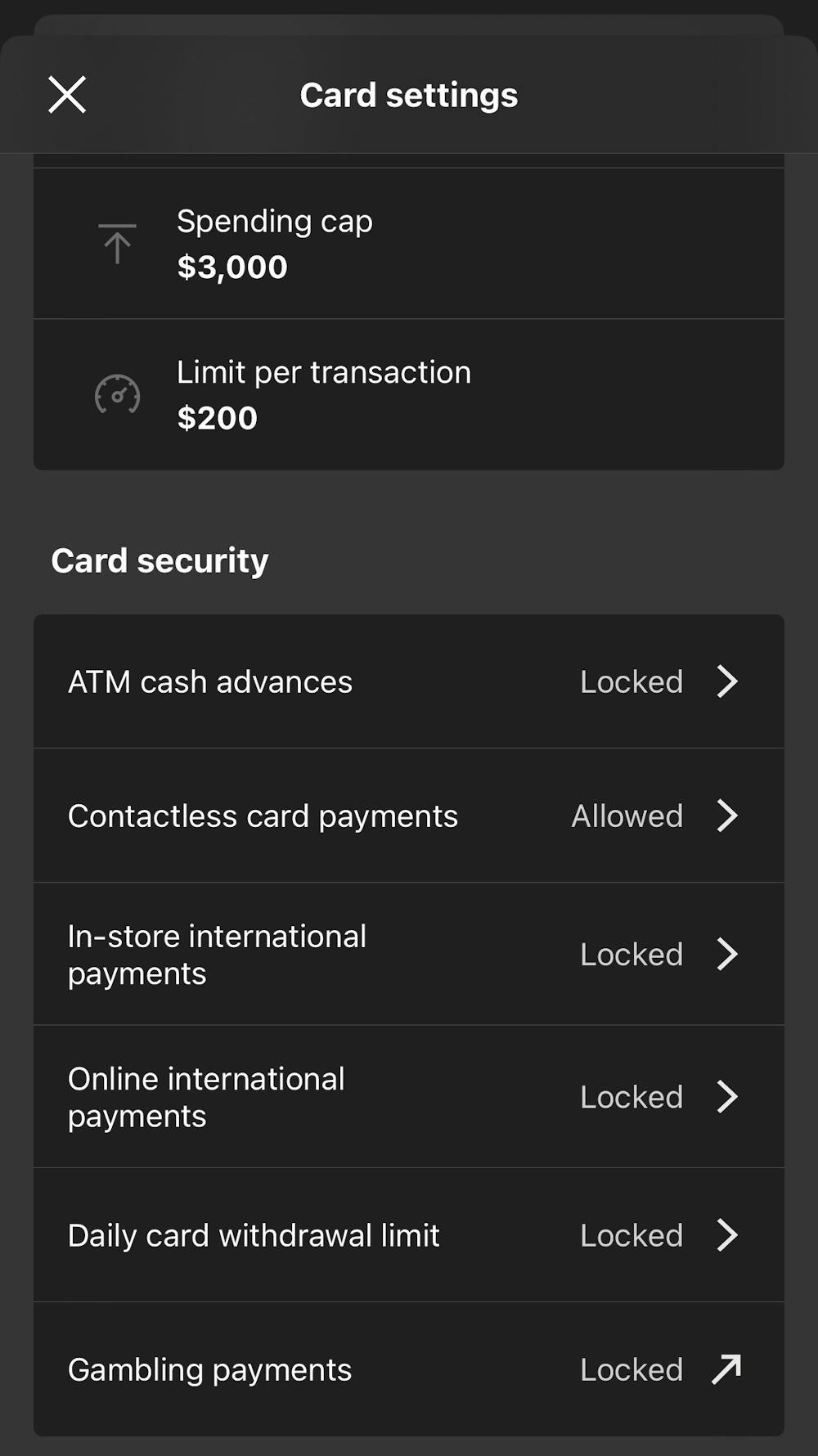
Example credit card restrictions in a banking app. Author provided
  • call your bank and get the card blocked so you won’t lose any more money. Depending on your situation, you can also block/cancel the card through your banking app or website

  • report the issue to the police or other relevant body

  • monitor your account(s) for any unusual transactions

  • explore card settings in your banking app or website – many providers allow you to limit transactions based on value, restrict transaction types or enable alerts

  • you may want to consider registering for credit monitoring services and to enable fraud alerts.

So, should I give my card details over the phone?

If you want to minimise risk, it’s best to avoid giving card details over the phone if you can. Providing your card details via a website still has risks, but at least it removes the human element.

The best solution currently available is to use virtual cards – if anything goes wrong you can cancel just that unique card identity, rather than your entire card.The Conversation

Paul Haskell-Dowland, Professor of Cyber Security Practice, Edith Cowan University and Ismini Vasileiou, Associate Professor, De Montfort University

This article is republished from The Conversation under a Creative Commons license. Read the original article.

Monday, 7 August 2023

Indian government imposes restrictions on laptop and PC imports to boost local manufacturing

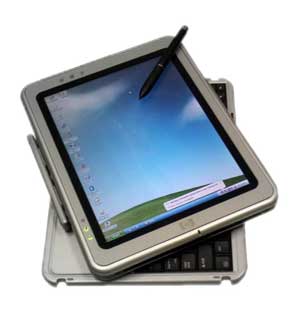
In a move to promote domestic production in the electronics sector and especially curbing imports from China, the Indian government has imposed immediate restrictions on importing laptops, tablets, and personal computers falling under the HSN 8741 category. The restrictions, as per a government notification, will allow the import of these items only against a valid license, signaling a major shift in the existing regulations that previously allowed companies to import laptops freely. However, it is important to note that the new restrictions will not apply to imports under the baggage rules. This means that individuals travelling to India can still bring personal laptops and tablets without needing a license. The decision is considered a direct support for the government's recent programme, known as the production-linked incentive (PLI) scheme, which aims to encourage the manufacturing of IT hardware in the country. The government's decision comes amid a steep increase in imports of electronic goods, laptops, and computers in recent years. In the second quarter of this year (April-June), the import of electronic goods experienced a big hike, reaching $6.96 billion against $4.73 billion in the corresponding period of the previous year. A significant portion, approximately half, of these restricted items, were shipped from China. And that is seen as further ground for the new restrictions, given that the relationship between India and China has experienced strains since border clashes in 2020. Data indicates that India's imports of personal computers and laptops from China dropped 23.1 percent in the fiscal year 2022–23, amounting to $4.10 billion, compared to $5.34 billion in 2021–22. There was a steep upswing in the imports of PCs and laptops from China. They were up 44.7% to $3.52 billion in 2020-21 and rose 51.5% to $5.34 billion in 2021-22. And that is what seems to have triggered the government’s reaction. The reaction of Ali Akhtar Jafri, former director of the electronics industry body MAIT, was that the essence of the initiative is to encourage manufacturing to relocate to India. He said that it's not merely a gentle nudge, but a robust push.
While the measure is intended to encourage local production, industry executives have raised concerns about prolonged wait times for each new model's launch due to the licensing regime. Major foreign players in the Indian market for laptops and computers, such as Dell, Acer, Samsung, Panasonic, Apple, Lenovo, and HP, have been taken aback by the sudden imposition of licensing requirements. Laptop makers were already anticipating government measures to reduce reliance on imports and promote local production, but the immediate implementation of licensing seems to have caught the industry off-guard. Tech firms are now engaging with the Indian government to understand the licensing process and so as to expedite the acquisition of licenses, especially as India's festival shopping season and back-to-school period approach. The need for licenses makes things more difficult for manufacturers, who are already facing an excess of products worldwide and struggling to increase sales. This may lead to delayed product launches in India or even shortages in a market that relies heavily on imports.Will the government move boost local manufacturing and by reducing imports remains to be seen. Manufacturers and consumers alike are keeping their fingers crossed. Source: https://www.domain-b.com/

Thursday, 16 June 2022

Samsung M31(5F) Cable charging Problems and solutions


After one year of purchasing What happened exactly when I tried to charge my Samsung M31(5F), from company provided USB charger what I found when I connected charger cable to mobile, without power or with power to socket. Normal cable charging wasn't started and a USB notification appears which mentioned about USB device connectivity. When I click on notification then I found the options about connected device & this device when I clicked on this device then cable charges was started as when I connect mobile with usb cable to computer then as per charging option charging was started. 

but problem was that why cable charging is not started when we connect charger with power socket. I did mobile reset, used backup nothing was happened. 

then I did one thing, connected phone Charger with USB to power socket, and switch to power on button. Then connect USB to mobile phone without disturbing the power supply to charger then cable charging of Samsung M31(5F) started normally. with this process mobile accept cable charging without any disturbance. Image Source: https://freebiescloud.com

Wednesday, 6 January 2021

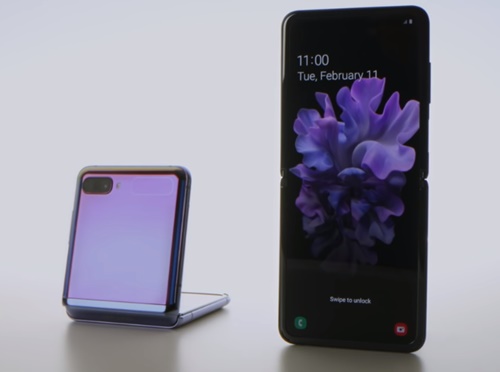
Samsung launches world's first foldable glass phone, Galaxy Z Flip

  • Samsung on Wednesday launched its second foldable phone and the world's first foldable glass phone, the Galaxy Z Flip, which redefines smart phone with a pioneering a new mobile category.
  • The Galaxy Z Flip, the company’s latest futuristic flagship, features a first-of-its-kind foldable glass display that allows the user to capture, share and experience content. 
  • “When folded, the Galaxy Z Flip is a stylish and compact palm-sized device. When unfolded, it’s a full-sized phone whose stunning, 6.7-inch Infinity Flex Display –Samsung’s first to feature a 21.9:9 aspect ratio – offers users truly seamless multitasking, a company website release stated.
  • The key highlight of Galaxy Z Flip is its bendable glass as it is for the first time that a brand has used thin bendable glass in a phone. The Galaxy is also the first foldable phone from Samsung to feature a clamshell design. 
  • The device takes on the new Moto Razr foldable phone and will bring back memories of style associated with flip phones. For the first time in mobile phones, Samsung has used thin glass over a flexible display.
  • The Galaxy Z Flip features Samsung’s proprietary bendable Ultra Thin Glass (UTG). This glass layer makes the device look sturdy and the screen less delicate. Also, repairing the display becomes easier as for deep scratches, just changing the glass layer instead of the entire display will do.
  • The thin glass layer in Galaxy Z Flip prevents the crease from appearing more prominent. Like in the Galaxy Fold, the plastic screen tends to develop a crease at the place where it folds giving an ugly look. Having a glass layer on the screen prevents this crease (due to the fold) from appearing more prominent.
  • Samsung Galaxy Z Flip comes with a 6.7-inch screen which folds in almost half. It also features a 6.7-inch FHD+ Dynamic AMOLED Infinity Flex Display with an aspect ratio of 21.9:9 and pixel density of 425 ppi.
  • There is a small cover display with which you can change music, click selfies when the Galaxy Z Flip is folded
  • There is a small cover display on the outside which measures 1.06-inch. You can use that small touch display to change music, click selfies when the Galaxy Z Flip is folded. You can get notifications as well on the cover display when the device is folded.
  • Samsung Galaxy Z Flip can stay open at different angles like a laptop screen. 
  • The Galaxy Z Flip can stay open at a range of angles, like a laptop screen using the Hideaway Hinge system. There’s a new sweeper technology, which uses nylon fibers crafted by micro-height-cutting technology to repel dirt and dust.
  • Samsung has worked with Google to design a new Flex mode for the phone. When the device is free-standing, the display automatically splits into two 4-inch screens so you can easily view images, content or videos on the top half of the display, and control them on the bottom half. For example, you can watch and navigate YouTube – stream on the top while searching for other videos, reading descriptions and writing comments on the bottom.
  • Samsung Galaxy Z Flip is powered by a Qualcomm Snapdragon 855+ processor with 8GB of RAM and 256GB of internal storage and runs Android 10-based OneUI interface with backing from a 3,300mAh battery.
  • Samsung Galaxy Z Flip comes with a total of three cameras
  • The main display comes with a punch hole notch which hides the 10MP selfie camera. On the outside, there is a dual camera setup with a 12MP ultra wide sensor with F2.2 aperture and a 12MP wide-angle primary camera with F1.8 aperture, OIS, up to 8X digital zoom. 
  • The device can also be folded to 90-degrees and placed on a table to shoot videos or photos.
  • The device comes with a capacitive fingerprint sensor on the side. There is no headphone jack and Samsung is providing USB Type-C earphones inside the box.Galaxy Z Flip is likely to be priced lower than Samsung’s first folding phone Galaxy Fold in India, although there is no official launch date yet. The device is priced at $1,380 in the US and is expected to cost less than Rs1,00,000 in India at that rate. Source: https://www.domain-b.com/

Sunday, 3 January 2021

Motorola launching moto g8 power lite in Bangladesh

Motorola is launching its g8 power lite, delivering premium features for consumers at extremely competitive price-points.

The phone comes at Tk 14,999 exclusively on Daraz during their flagship 11.11 sale. It will be available at an exceptional effective price of just Tk 13,499 with the Daraz pre-paid discount offer, the company said in a press release.

Speaking about the launch, Prashanth Mani, Managing Director of Motorola Mobility, SAARC Countries, said, “We’re extremely delighted to announce the launch of our most popular franchise globally – the moto g series in Bangladesh. This franchise has sold over 100 million devices across the world and comes with the promise of bringing premium features for all, at affordable price-points.”

He said they are confident that it will mark a great beginning to their success in the Bangladesh market

Fuad Arefin, Chief Commercial Officer of Daraz Bangladesh Limited said they are excited to be part of the new journey of the Motorola brand through Salextra Limited.

“This is in line with Daraz's vision to introduce global standard products in Bangladesh, starting with moto g8 Power lite. As an exclusive partner, we wish Motorola's a resounding success in Bangladesh along with Daraz”.

The smartphone boasts best in class features across all key aspects including battery, camera, performance, display and more.

It comes with a powerful 5000 mAh battery, designed to last multiple days on just a single charge. Users can stream music for 100 hours, or watch shows and movies for 19 hours, the company said.

Its triple camera system can capture sharper photos, incredible close-up shots, and beautiful portraits in a snap and comes with HDR with Face Beauty, Dual camera bokeh, Timer, Panorama and more.

It also comes with ultrawide views on the stunning 6.5" Max Vision HD+ display. Max Vision provides maximum viewing with a 20:9 aspect ratio.

The phone comes with an octa-core processor with 4GB of RAM and 64GB storage with dedicated microSD card slot allowing users to add up to 256GB.

It comes with an adware free, bloatware-free stock Android OS with Moto experiences with a fingertip reader located on the back.

The phone has a water-repellent compact design. It comes in two colours – royal blue and arctic blue.

It will be available from Nov 11 onwards.DailyBangladesh/SA Source: https://www.daily-bangladesh.com

Saturday, 2 January 2021

WhatsApp users make over 1.4bn phone calls on New Year’s Eve


WhatsApp users all over the world have made more than 1.4 billion voice and video calls on New Year’s Eve. This is the highest number of calls ever made globally in a single day on the messaging app. 

“More than 1.4 billion voice and video calls were made on New Year’s Eve 2020 globally, the most ever calls in a single day on WhatsApp. WhatsApp calling increased over 50% compared to the same day last year,” Facebook, the owner of the messenger, ‍said in its press release on Friday. 

More than 55 million live broadcasts were held on Facebook and Instagram on New Year’s Eve, the company added that. WhatsApp is a free messaging service that supports voice calls. In 2014, the messenger was acquired by Facebook for $19 bln. In February 2020, the number of WhatsApp users all over the world reached two billion. - TASS, Source: https://www.daily-bangladesh.com/

Friday, 1 January 2021

Reliance Jio launches UPI payments for some, to expand service to all soon

  • Reliance Jio Infocomm, the telecom arm of Mukesh Ambani-led reliance Industries Ltd (RIL) has now entered the payment services business with the launch of a UPI-powered payment system for customers.
  • The service, which is currently available to select users, will soon be made available to all Jio subscribers, reports said without specifying the timeline.
  • Jio will be the first telecom operator and the second payments bank to offer UPI-enabled services. The company already has a wallet service, called JioMoney.
  • The company, according to the report, has integrated UPI services into its MyJio app. Jio subscribers using the service will get a virtual payment address (VPA) with @Jio at the end. The service just like from all other players requires a users mobile number and debit card number attached with a bank account.
  • To recall, WhatsApp was in talks with NPCI to launch its own payments service before Jio, however, it did not get the final nod from NPCI. This was because of the uncertainty over data localisation and other regulatory hurdles.The entry of Jio in UPI payment services could be a big boost to NCPI whose UPI services grew 3 times in 2019 compared to the previous year. This year it is expected to surpass that considering the entry of Jio and the speculative entry of WhatsApp UPI Payments. Source: https://www.domain-b.com

Sunday, 26 July 2020

Apple launches new fix for unexpected shutdown of some iPhone6S models

A new repair programme, the second that Apple has launched this week, is targeted at ''a very small number'' of iPhone 6S models that had been unexpectedly shutting down. Phones affected by the issue, said to be only devices that were manufactured between September and October last year, would be eligible for a free battery replacement.

Users who think their phone was affected by the problem, would need to check for a corresponding serial number on their device at an Apple Store or with an Apple-authorised service provider, carriers that offered the iPhone 6S would not be handing out battery replacements.

According to Apple, iPhone 6S owners would need to back up their data, erase settings, and turn off Find my iPhone. The company added problems like cracked screens would not be fixed as part of the new repair service, and unexpected shutdowns on devices manufactured before or after the specific window would not fetch them a free battery replacement. However, users who had already paid for a new battery because they suffered from random reboots, and had a phone manufactured between September and October 2015, would be able to get a refund on that.

Just three days ago, Apple launched a repair programme for iPhone 6 Plus owners whose devices were experiencing a so-called "Touch Disease" where users may see display flickering or a loss of touch sensitivity. That programme carried a $149 repair fee, as Apple said the issue was caused at least in part by the device having been "dropped multiple times on a hard surface."Source: domain-b.com

Thursday, 16 July 2020

GST rate for mobile phones to go up to 18%

The fitment committee of the Goods and Services Tax Council has recommended calibration of the GST rate structure to correct the inverted duty structure on various items like mobile phones, footwear, textiles and fertilizers.
Accordingly, the GST council has recommended a hike in the GST rate on mobile phones and specified parts, which currently attract 12 per cent, to 18 per cent.
The Council also deliberated on the issue of calibrating the rate of other items for removing inversion in future meetings with further consultation and examination of issue.
GST rate on all types of matches (handmade and other than handmade) has been rationalised to 12 per cent (from 5 per cent on handmade matches and 18 per cent on other matches). This would address the classification issues. This issue was deliberated earlier in the 37th meeting and was pending for decision.
GST rate on maintenance, repair and overhaul (MRO) services in respect of aircraft has been reduced from 18 percent to 5 per cent with full ITC and to change the place of supply for B2B MRO services to the location of recipient. 
This change is likely to assist in setting up of MRO services in India. Domestic MRO will also get protection due to 5 per cent tax paid under the Customs Tariff Act, 1975 on most imported goods (sent abroad for repairs) as this tax is not available as credit.
The Council has proposed to issue notifications giving effect to these recommendations on 1 April 2020. Source:https://www.domain-b.com/

Saturday, 4 July 2020

Samsung launches world's first foldable glass phone, Galaxy Z Flip


Samsung on Wednesday launched its second foldable phone and the world's first foldable glass phone, the Galaxy Z Flip, which redefines smart phone with a pioneering a new mobile category.
  • The Galaxy Z Flip, the company’s latest futuristic flagship, features a first-of-its-kind foldable glass display that allows the user to capture, share and experience content. 
  • “When folded, the Galaxy Z Flip is a stylish and compact palm-sized device. When unfolded, it’s a full-sized phone whose stunning, 6.7-inch Infinity Flex Display –Samsung’s first to feature a 21.9:9 aspect ratio – offers users truly seamless multitasking, a company website release stated.
  • The key highlight of Galaxy Z Flip is its bendable glass as it is for the first time that a brand has used thin bendable glass in a phone. The Galaxy is also the first foldable phone from Samsung to feature a clamshell design. 
  • The device takes on the new Moto Razr foldable phone and will bring back memories of style associated with flip phones. For the first time in mobile phones, Samsung has used thin glass over a flexible display.
  • The Galaxy Z Flip features Samsung’s proprietary bendable Ultra Thin Glass (UTG). This glass layer makes the device look sturdy and the screen less delicate. Also, repairing the display becomes easier as for deep scratches, just changing the glass layer instead of the entire display will do.
  • The thin glass layer in Galaxy Z Flip prevents the crease from appearing more prominent. Like in the Galaxy Fold, the plastic screen tends to develop a crease at the place where it folds giving an ugly look. Having a glass layer on the screen prevents this crease (due to the fold) from appearing more prominent.
  • Samsung Galaxy Z Flip comes with a 6.7-inch screen which folds in almost half. It also features a 6.7-inch FHD+ Dynamic AMOLED Infinity Flex Display with an aspect ratio of 21.9:9 and pixel density of 425 ppi.
  • There is a small cover display with which you can change music, click selfies when the Galaxy Z Flip is folded
  • There is a small cover display on the outside which measures 1.06-inch. You can use that small touch display to change music, click selfies when the Galaxy Z Flip is folded. You can get notifications as well on the cover display when the device is folded.
  • Samsung Galaxy Z Flip can stay open at different angles like a laptop screen. 
  • The Galaxy Z Flip can stay open at a range of angles, like a laptop screen using the Hideaway Hinge system. There’s a new sweeper technology, which uses nylon fibers crafted by micro-height-cutting technology to repel dirt and dust.
  • Samsung has worked with Google to design a new Flex mode for the phone. When the device is free-standing, the display automatically splits into two 4-inch screens so you can easily view images, content or videos on the top half of the display, and control them on the bottom half. For example, you can watch and navigate YouTube – stream on the top while searching for other videos, reading descriptions and writing comments on the bottom.
  • Samsung Galaxy Z Flip is powered by a Qualcomm Snapdragon 855+ processor with 8GB of RAM and 256GB of internal storage and runs Android 10-based OneUI interface with backing from a 3,300mAh battery.
  • Samsung Galaxy Z Flip comes with a total of three cameras
  • The main display comes with a punch hole notch which hides the 10MP selfie camera. On the outside, there is a dual camera setup with a 12MP ultra wide sensor with F2.2 aperture and a 12MP wide-angle primary camera with F1.8 aperture, OIS, up to 8X digital zoom. 
  • The device can also be folded to 90-degrees and placed on a table to shoot videos or photos.
  • The device comes with a capacitive fingerprint sensor on the side. There is no headphone jack and Samsung is providing USB Type-C earphones inside the box.
  • Galaxy Z Flip is likely to be priced lower than Samsung’s first folding phone Galaxy Fold in India, although there is no official launch date yet. The device is priced at $1,380 in the US and is expected to cost less than Rs1,00,000 in India at that rate.Source: https://www.domain-b.com/

Saturday, 27 June 2020

GST rate for mobile phones to go up to 18%

  • The fitment committee of the Goods and Services Tax Council has recommended calibration of the GST rate structure to correct the inverted duty structure on various items like mobile phones, footwear, textiles and fertilizers.
  • Accordingly, the GST council has recommended a hike in the GST rate on mobile phones and specified parts, which currently attract 12 per cent, to 18 per cent.
  • The Council also deliberated on the issue of calibrating the rate of other items for removing inversion in future meetings with further consultation and examination of issue.
  • GST rate on all types of matches (handmade and other than handmade) has been rationalised to 12 per cent (from 5 per cent on handmade matches and 18 per cent on other matches). This would address the classification issues. This issue was deliberated earlier in the 37th meeting and was pending for decision.
  • GST rate on maintenance, repair and overhaul (MRO) services in respect of aircraft has been reduced from 18 percent to 5 per cent with full ITC and to change the place of supply for B2B MRO services to the location of recipient. 
  • This change is likely to assist in setting up of MRO services in India. Domestic MRO will also get protection due to 5 per cent tax paid under the Customs Tariff Act, 1975 on most imported goods (sent abroad for repairs) as this tax is not available as credit.
  • The Council has proposed to issue notifications giving effect to these recommendations on 1 April 2020. Source: %

Monday, 22 June 2020

GST rate for mobile phones to go up to 18%

  • The fitment committee of the Goods and Services Tax Council has recommended calibration of the GST rate structure to correct the inverted duty structure on various items like mobile phones, footwear, textiles and fertilizers.
  • Accordingly, the GST council has recommended a hike in the GST rate on mobile phones and specified parts, which currently attract 12 per cent, to 18 per cent.
  • The Council also deliberated on the issue of calibrating the rate of other items for removing inversion in future meetings with further consultation and examination of issue.
  • GST rate on all types of matches (handmade and other than handmade) has been rationalised to 12 per cent (from 5 per cent on handmade matches and 18 per cent on other matches). This would address the classification issues. This issue was deliberated earlier in the 37th meeting and was pending for decision.
  • GST rate on maintenance, repair and overhaul (MRO) services in respect of aircraft has been reduced from 18 percent to 5 per cent with full ITC and to change the place of supply for B2B MRO services to the location of recipient.
  • This change is likely to assist in setting up of MRO services in India. Domestic MRO will also get protection due to 5 per cent tax paid under the Customs Tariff Act, 1975 on most imported goods (sent abroad for repairs) as this tax is not available as credit.
  • The Council has proposed to issue notifications giving effect to these recommendations on 1 April 2020. Source: https://www.domain-b.com/