bloggggg

Home  |  Live  |  Science  |  Lifestyle  |  Entertainment  |  Broadcast  |  Games  |  eBooks  |  Astounds  |  Adbite  |  Cricbell  |  Cyber  |  Idea  |  Digital  |  Privacy  |  Publish  |  ePaper  |  Contact  .Subscribe.Subscribe.Subscribe.Subscribe.Subscribe.Subscribe.Subscribe.Subscribe.Subscribe
Subscribe

Wednesday, 16 August 2023

Romance fiction rewrites the rulebook

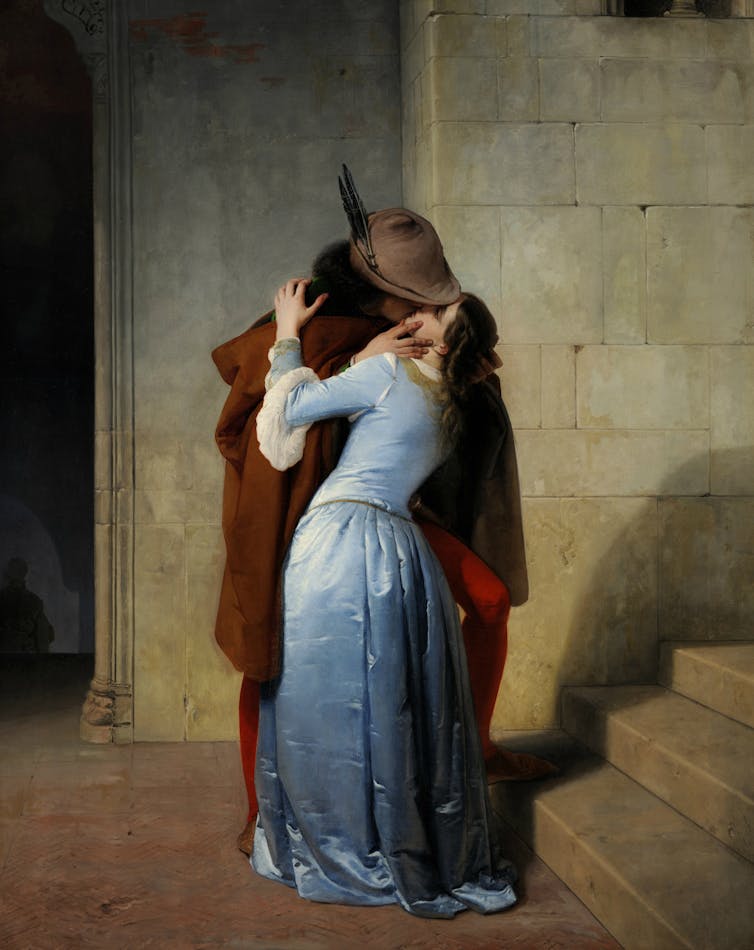
The Kiss - Francesco Hayez (1859). Wikimedia commons Beth Driscoll, The University of Melbourne and Kim Wilkins, The University of Queensland
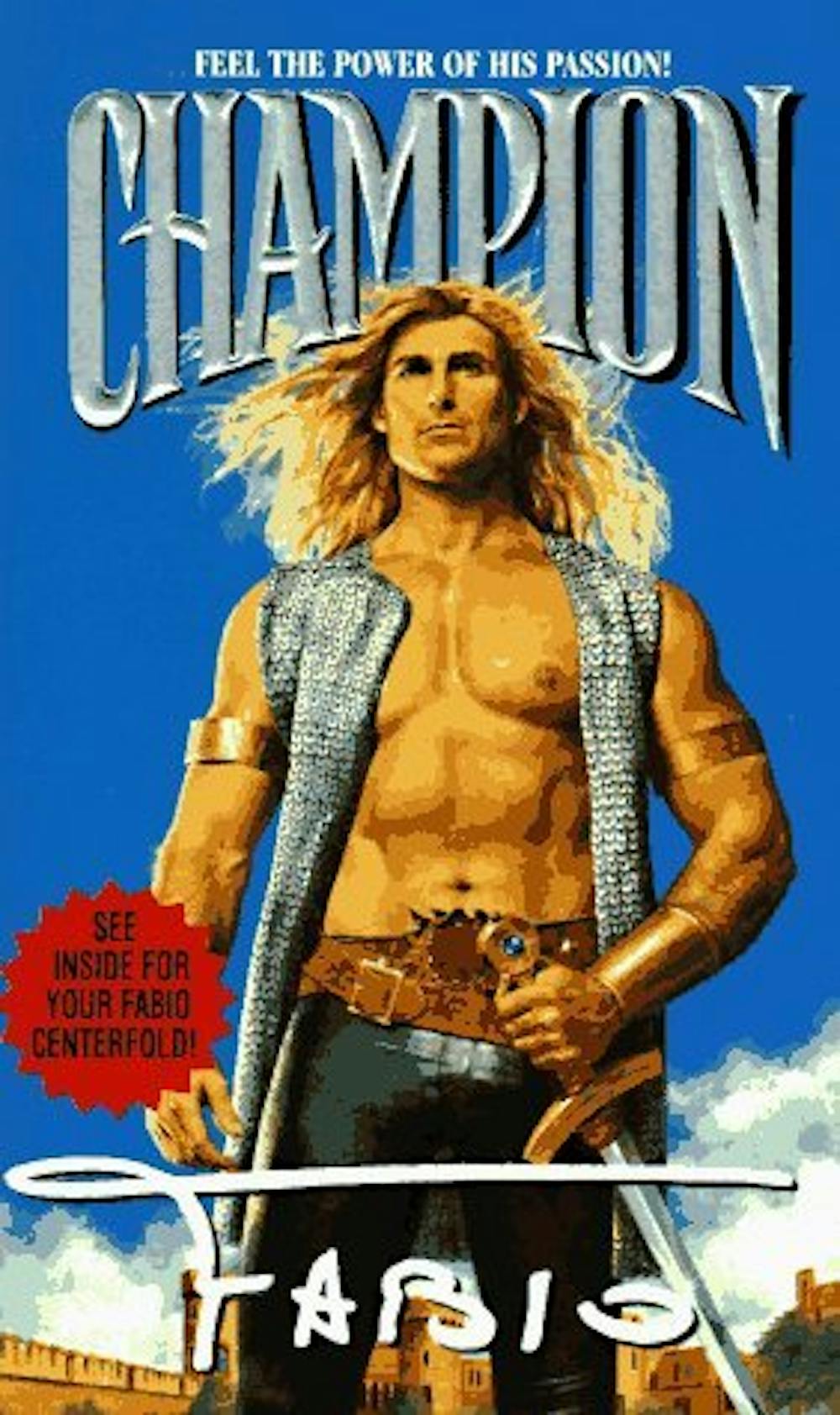
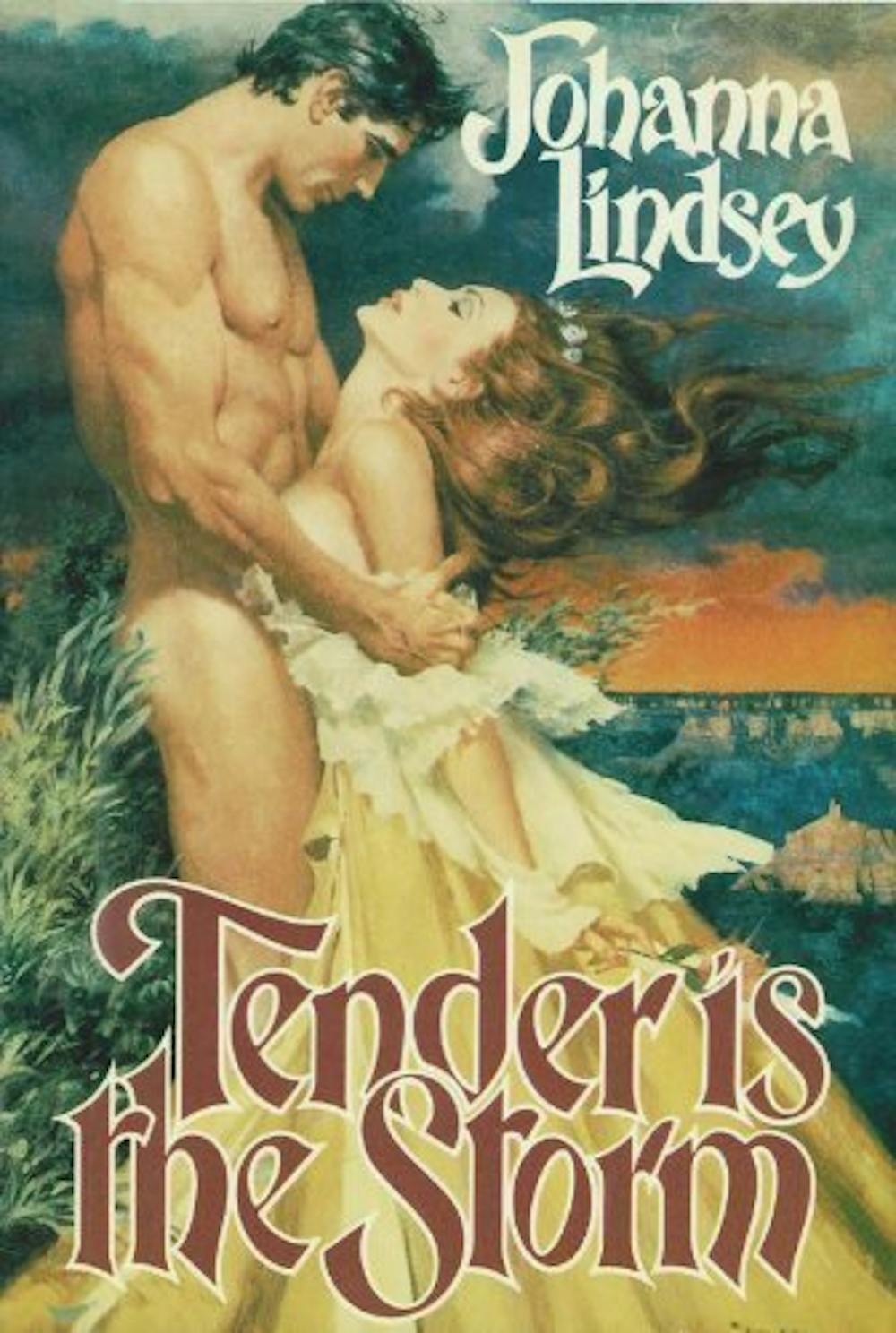
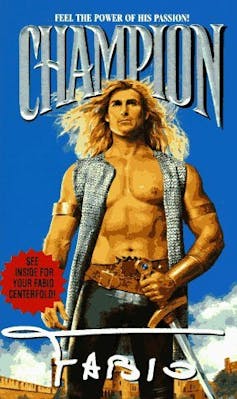
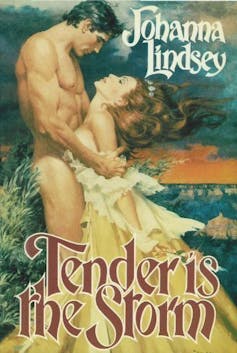
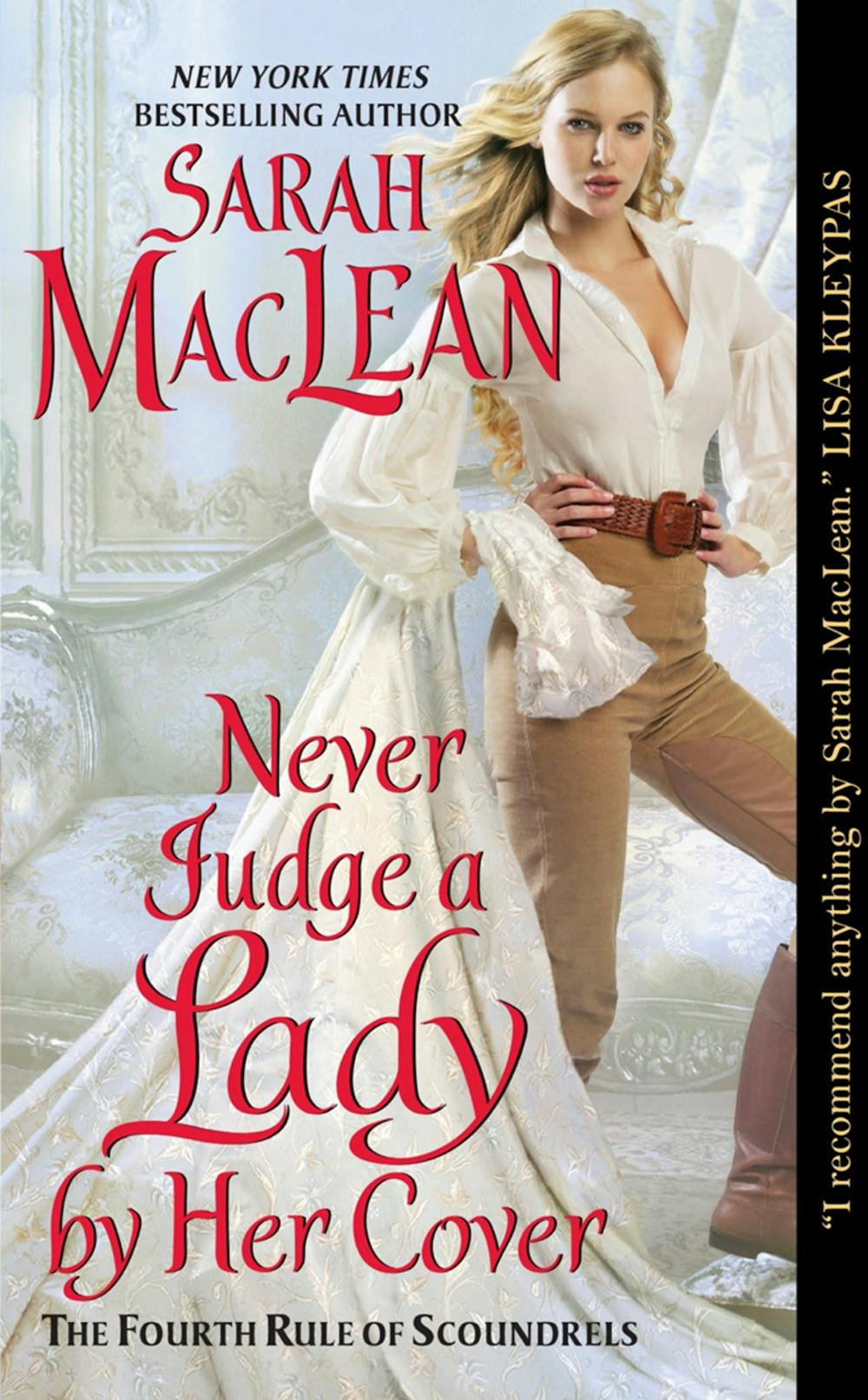
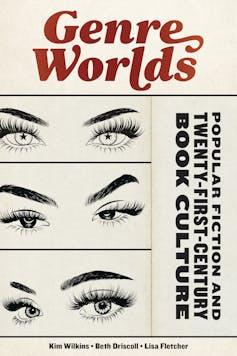
Romance fiction has one of the most recognisable brands in book culture. It is known for a handful of attributes: its happy-ever-after endings, the pocket Mills & Boon and Harlequin editions, the covers featuring Fabio (in the 1990s) or naked male torsos (the hot trend in the 21st century). It is known for being overwhelmingly written and read by women, and for being mass-produced. But romance fiction is also the most innovative and uncontrollable of all genres. It is the genre least able to be contained by established models of how the publishing industry works, or how readers and writers behave. Contemporary romance fiction is challenging the prevailing wisdom about how books come into being and find their readers. For our book Genre Worlds: Popular Fiction and Twenty-First Century Book Culture, coauthored with Lisa Fletcher, we conducted nearly 100 interviews with contemporary authors and publishing professionals. Our research shows that fiction genres are not static. They do not constrain artistic originality, but provide the kind of structure that sparks creativity and passion.
Genre fiction can be understood as having three dimensions. The textual dimension is what happens on the page. The industrial dimension is how the books are produced. And the social dimension is the people who write, read and talk about genre fiction. These three dimensions interact to create what we have called a “genre world”. Each distinct genre world (such as fantasy or crime) combines textual conventions, social communities and industry expectations in its own way. And romance is the most fast-paced, rapidly changing genre world of them all. When it comes to genres of articles, we have a soft spot for the listicle. So, here are five things you may not know about contemporary romance fiction – five things that show the dynamism at the heart of book culture. 1. Romance is at the forefront of digital innovation: Twenty-first century publishing has seen fundamental shifts in the way books are produced, distributed and consumed, largely thanks to digital technology. The romance genre is notable historically for its rapid production and consumption cycle. As a result, it has been well placed to adapt to the widespread uptake of digital publishing, which also moves rapidly. Romance writers and publishers are entrepreneurial and comfortable taking risks. The moment constraints are released, romance writers rush in. This is exactly what has happened with self-publishing. Since the advent of Kindle Direct Publishing in 2007, hundreds of thousands of romance books have been self-published there. Other opportunities have blossomed on sites such as Wattpad or through print-on-demand services such as IngramSpark. In Australia, for example, there was a 1,000% increase in the number of self-published romance novels between 2010 and 2016. 
Some self-published romance novels have achieved mind-boggling success. Anna Todd’s 2014 romance novel After, originally fan fiction based on the band One Direction, drew more than 1.5 billion reads on Wattpad. It was subsequently acquired by Simon & Schuster and has spawned a movie series. In other cases, romance authors have formed co-ops to publish work together. Tule Publishing is a small, largely digital publisher with a limited print-on-demand service that produces multi-author continuity series as part of its publishing model. The Tule authors we interviewed spoke of their strong community and creative connections. The self-publishing of genre fiction has blurred the lines between author, agent, editor, cover designer, typesetter, publisher and bookseller. Stephanie Laurens, one of the world’s most successful romance novelists, began writing with Mills & Boon before moving to HarperCollins. In 2012, she gave a keynote address to the Romance Writers of America convention. She used the opportunity to reflect on industry change. Soon after, she began reconfiguring her own publishing arrangements.
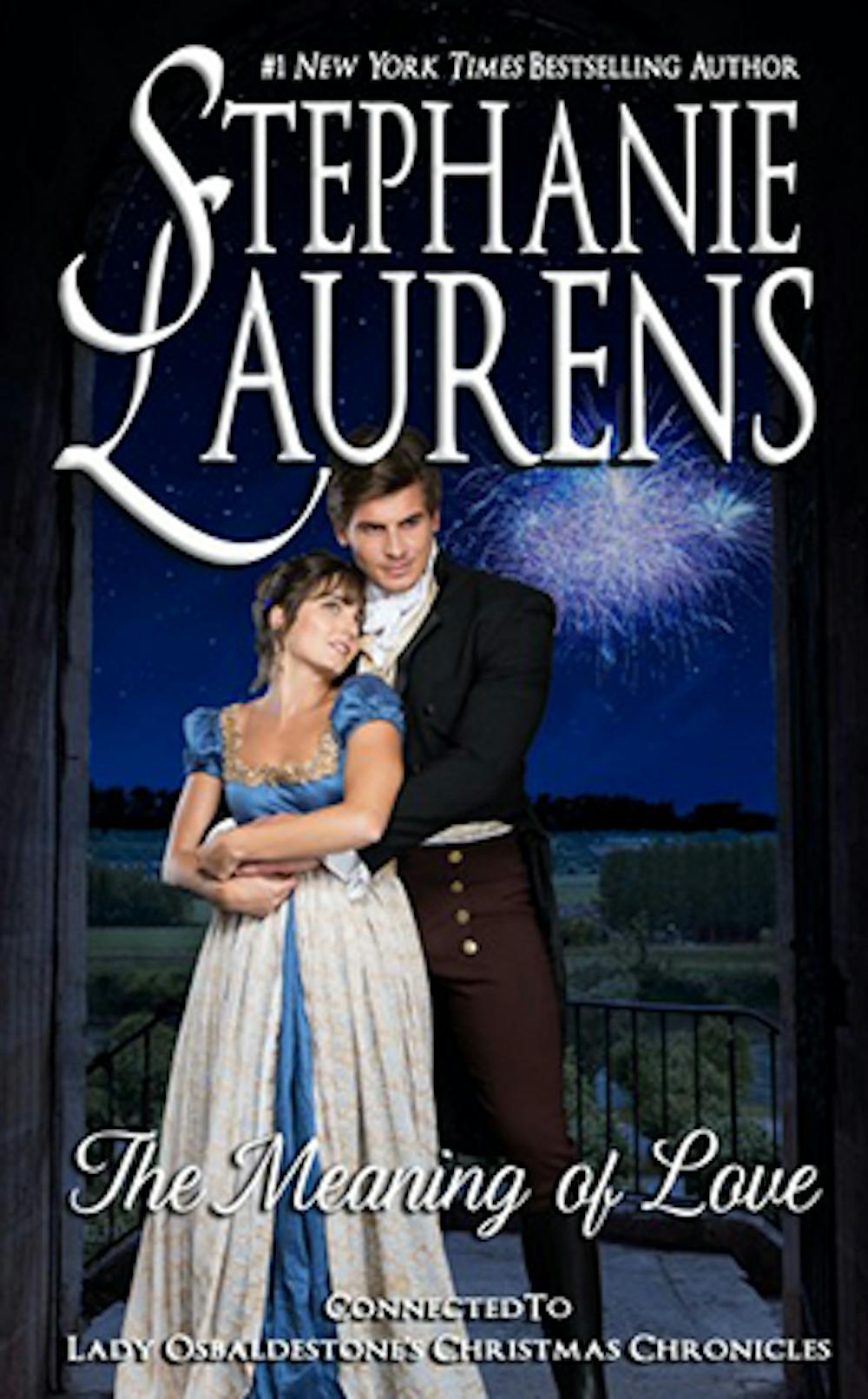
Now Harlequin publishes her print novels, while she self-publishes the e-book versions. She also self-publishes novellas that are prequels to, or that sit between, the novels in her traditionally published series. Laurens is a prolific author with loyal fans, an author who can afford to take risks. She realises that self-publishing potentially offers her a better deal and has been able to pursue that while retaining ties to a traditional publisher. Her career complicates any view of self-publishing as second best. Her example has been much emulated among romance writers. Such a career move challenges how we might typically theorise the power relations of literary culture. 2. Romance readers are active and engaged: The dynamism of romance fiction is intimately linked with its engaged readers. Unlike other kinds of publishing, where the fate of each book is relatively unpredictable, romance has historically had many loyal readers who subscribe through mail-order systems to receive books regularly – a model that has not worked successfully at scale for any other genre. In the 21st century, many of these loyal romance readers are online. They tweet about their favourite authors, write Goodreads reviews, and run blogs and podcasts. 
People read romance fiction for different reasons. They might be drawn to its focus on the emotional nuances of relationships, its escape into various times and places (romance subgenres really do cover the gamut), or its gold-plated promise of happy endings and pleasure. They might read casually or intensely, with curiosity, scepticism or devotion. All of these are active modes; they can’t be reduced to consumerism. There is an element of feeling to the involvement. The shared pleasure and sense of belonging that comes with being in the genre world came up regularly in our interviews. Author Rachael Johns, speaking of romance fiction, said “this is my passion, I fell in love with the romance genre”. Agent Amy Tannenbaum described the romance community as “tight-knit”. Harlequin marketing specialist Adam Van Roojen suggested the romance community’s supportive nature makes it “so distinctive I think from other genres”. People say the same thing about other genres, of course, but these claims show how people imagine genre worlds as a kind of community. Communities have boundaries and can be exclusionary. Kristina Busse has written about the impulse to police borders in fan-fiction communities, and of how ascribing positive values to some members of a community may exclude other people. 
This dynamic is at work in genre worlds, even if it is low-key or not openly acknowledged. What’s more, the inside world of romance fiction has an inside of its own. This is evident in the way readers relate to one another (there is an implicit hierarchy of fans) and in the industrial underpinnings of the genre. For example, there is a distinction between a writer’s core audience and fringe audience that affects sales formats and international editions. Core romance readers tend to read digitally, and therefore can often access US editions of a book. Casual romance readers are more likely to pick up a print book from a store like Big W or Target and are therefore more likely to be the target audience for local editions. In general, though, both core and fringe romance readers know how to read romance fiction. They are attuned to the codes that run through the novels. Back in 1992, Jayne Ann Krentz and Linda Barlow argued that certain words and phrases in romance fiction act as a hidden code “opaque to others”. Committed romance readers have a deep knowledge that makes them experts in their genre. When these readers express their views online, authors and publishers take note. One recent example involves a tweet from romance fiction author, podcaster and blogger Sarah McLean. She asked her nearly 40,000 Twitter followers to “Tell me the best romance you’ve read in the last week. Bonus points for it being 🔥🔥🔥.” The tweet was directed at the hardcore readers of the romance genre world. It assumed an audience that reads more than one romance novel per week. The 300 or so replies constitute a mega-thread of recommendations. Romance readers are generous to one another this way, as the sheer abundance of commercially and self-published romance fiction makes it hard to sort and choose. The replies also offer an up-to-the-minute map of the subgenres and tropes to which readers are responding. These include shape-shifters, second-chance love stories, queer romance, and dukes and duchesses (possibly a Bridgerton effect). 3. Romance fiction is global: Far from being circumscribed by small horizons, romance fiction is globally connected and inflected. This is amply demonstrated by the example of Australian romance fiction, which is formed and sustained across international literary markets and creative communities.Pascale Casanova’s theory of the world republic of letters notes the cultural force of London and New York as anglophone publishing centres. This mitigates against the inclusion of Australian content in popular fiction. Stories set in New York or London seem to have no limits in terms of international portability. But stories set in Australia, or another peripheral market, can be harder to pitch. Australian writers are conscious of this, as it directly affects the viability of their careers. But export success is possible for Australian work. The subgenre of Australian rural romance or “RuRo” is the best-known example. Authors like Rachel Johns are bestsellers in other territories. Romance novels set in Australia are popular in Germany – the Germans even have a name for them, the “Australien-Roman”. 

Popular Australian romance author Rachel Johns. Goodreads
Romance fiction is energised by transnational communities of readers and writers, often mediated online. Australian romance author Kylie Scott, for instance, credits American romance bloggers with driving the popularity of her books, and thanks book bloggers in the acknowledgements of her books.
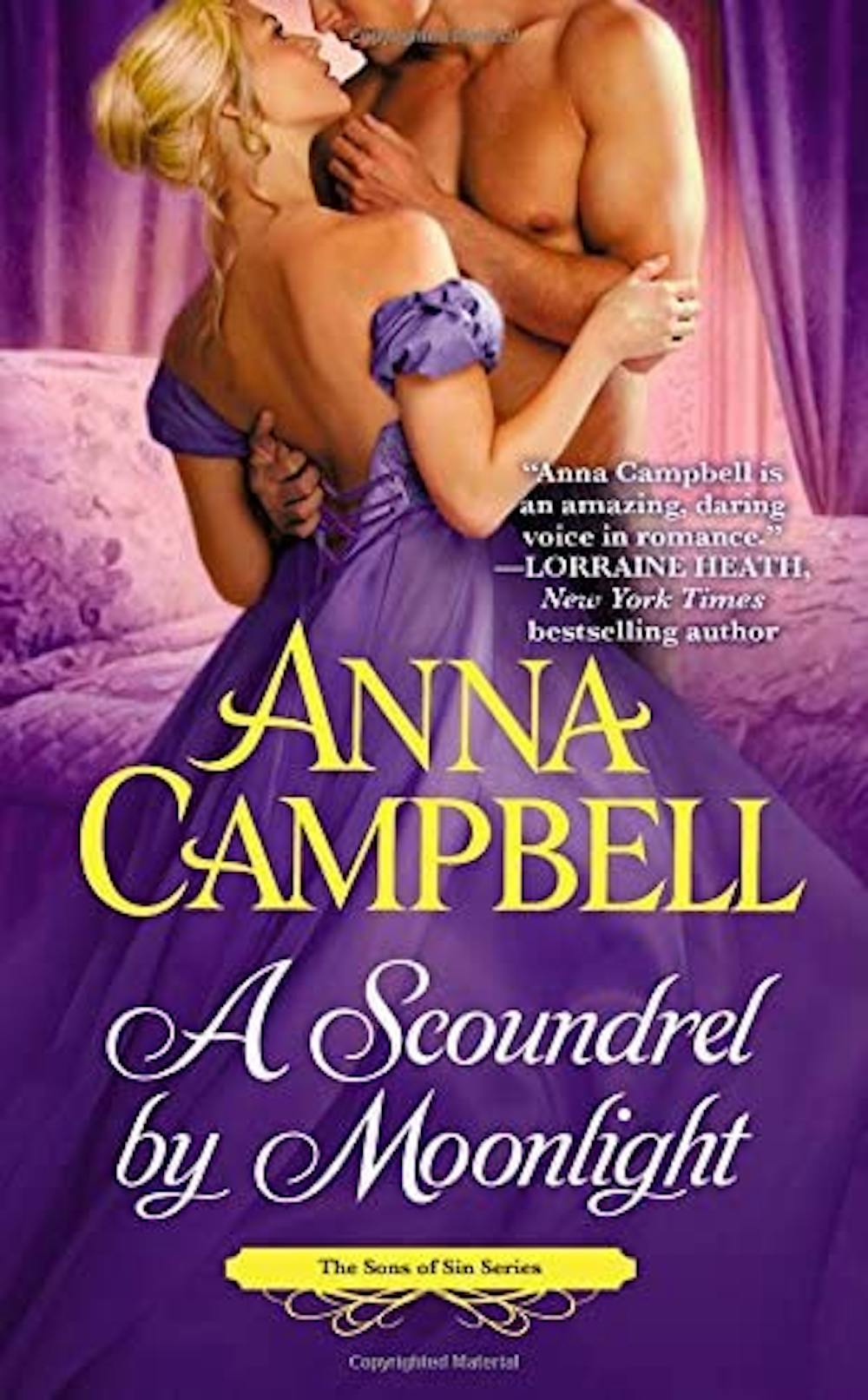
These cultural mediators assist the transnational movement of books in genre worlds. The development of digital-first genre fiction publishers and imprints also supports such movement, not least through promoting global release dates and world rights, so that genre books can be simultaneously accessible to readers worldwide. But nothing comes close to the romance fiction convention, or “con”, in demonstrating the international cooperative links of the romance community. Cons, such as Romance Writers of America, support romance writers by providing professional development opportunities; they offer structure to participants’ professional lives. For example, Regency romance writer Anna Campbell has oriented her career towards the United States. Campbell began to professionalise by joining the Romance Writers of Australia, but then entered professional prizes run through US networks, and it was these that gained attention for her writing and enabled her to get an agent. American success followed: My agent ended up setting up an auction in New York, and three of the big houses wanted to buy it. The auction went for a week, and at the end of Good Friday 2006, I was a published author and they paid me enough money to become a full-time writer. Campbell went on to write five books with Avon, then moved to Hachette for a number of books. She has now moved to self-publishing. The majority of her readership remains in the US. Romance’s capacity to reflect the local concerns of writers and readers, coupled with its responsiveness to global industrial processes, makes it one of the most intriguing genres for considering what “Australian books” might look like in the 21st century. 4. Romance can be socially progressive 
It has been more than 50 years since Germaine Greer, in The Female Eunuch, dismissed romance fiction as women “cherishing the chains of their bondage”. The perception that the genre is conservative persists. But romance writers and readers are more and more concerned with inequality across gender, race and sexuality. They are pushing back against old conventions. In 2018, Kate Cuthbert, then managing editor of Harlequin’s Escape imprint, gave a speech that revealed romance’s internal debates. She addressed the responsibilities of romance fiction writers and publishers in the #MeToo era, arguing that if we want to call ourselves a feminist genre, if we want to hold ourselves up as an example of women being centred, of representing the female gaze, of creating women heroes who not only survive but thrive, then we have to lead. For Cuthbert, this means “breaking up” with some familiar romance fiction tropes, such as the coercion of women: many of the behaviors that are now being called out – sexual innuendo, workplace advances, stolen kisses because the kisser couldn’t resist – feel in many ways like an old friend. They exist in the romance bubble […] and they readily tap into that shared emotional history over and over again in a way that feels familiar and safe. Cuthbert’s compassionate acknowledgement of readers’ and writers’ attachment to established genre norms sits alongside her call for evolution, for renewed attention to “recognising the heroine’s bodily autonomy, her right to decide what happens to it at every point”. Structural hostility in the publishing industry towards people of colour has also become a cause romance writers and readers rally behind. In 2018, Cole McCade, a queer romance writer with a multiracial background, revealed that his editor at Riptide had written to him: We don’t mind POC But I will warn you – and you have NO idea how much I hate having to say this – we won’t put them on the cover, because we like the book to, you know, sell :-(.In the wake of this revelation, multiple authors pulled their books from Riptide, as a further series of revelations about the publisher’s bad behaviour emerged. The following year, the Romance Writers of America examined the past 18 years of its RITA Awards finalists and published the results: no black author had ever won a RITA, and the percentage of black authors represented on shortlists was less than half a per cent. In response, the board published a “Commitment to RITAs and Inclusivity”, in which it called the shocking results a “systemic issue” that “needs to be addressed”. In 2020, they announced they were employing diversity and inclusion experts to help diversify their board, train staff, and help “design and structure” more inclusive membership programs and events, including the annual conference. The Romance Writers of America’s intentions have not always been successful. The ongoing visibility of marginalised groups in the genre continues nonetheless, in part driven by romance’s rapid and robust uptake of digital publishing. Access to publishing platforms has allowed micro-niche genres to proliferate. LGBTQIA+ romance subgenres have become particularly visible: from lesbian military romance to gay alien romance to realist asexual love stories.
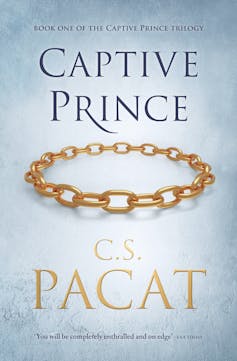
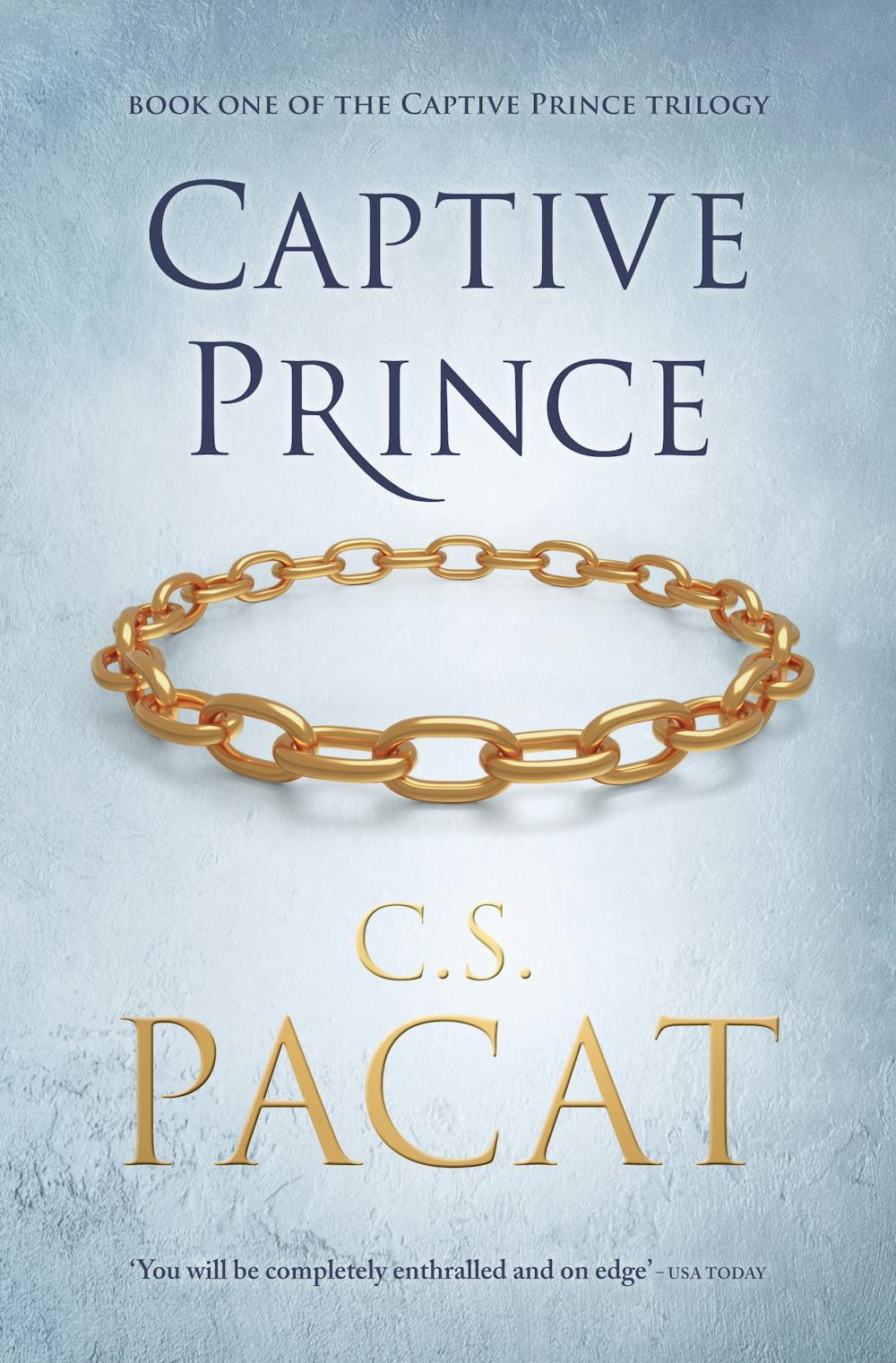
Sometimes these stories go spectacularly mainstream, as with C.S. Pacat’s The Captive Prince, a gay erotic fantasy about a prince who is given to the ruler of a neighbouring kingdom as a pleasure slave. Originally self-published, The Captive Prince started as a web serial that gathered 30,000 signed-up fans and spawned Tumblrs dedicated to fan fiction and speculation about where the series would go.The book was rejected by major publishers, so Pacat self-published to Amazon and within 24 hours it had reached number 1 in LGBTQIA+ fiction. A New York agent approached Pacat and secured her a seven-figure publication deal with Penguin. The queer fantasy or paranormal romance has continued to thrive in Pacat’s wake. In our interviews with romance authors, questions of diversity, inclusion, representation and inequity arose again and again. In representation and amplifying marginalised voices, romance has enormous potential to lead the way. 5. Romance has gates that are kept: Romance fiction is more progressive than some stereotypes might suggest, but it is not free from exclusion or discrimination. The genre is influenced by its gatekeepers – human and digital. One form of gatekeeping takes place through the same voluntary associations that nurture community. In late 2019, the board of the Romance Writers of America censured prominent writer of colour, Courtney Milan, suspending her from the organisation for a year and banning her from leadership positions for life. 
The decision was made following complaints by two white women, author Katherine Lynn Davis and publisher Suzan Tisdale, about statements Milan had made on Twitter, including calling a specific book a “fucking racist mess”. This use of the organisation’s formal mechanisms to condemn a woman of colour and support white women was controversial, provoking widespread debate across social media and email lists. Milan had long been an advocate for greater inclusion and diversity within Romance Writers of America and the romance genre. As the Guardian reported, the choice not to discipline anyone for “actually racist speech” made punishing someone for “calling something racist” seem like a particularly troubling double standard. “People saw it as an attempt to silence marginalised people,” observed Milan. The board retracted its decision about Milan. It is difficult, however, to calculate the damage that may have been done to readers and writers of colour in the romance genre world. Conversely, the use of Twitter to extend debate and eventually correct the Romance Writers of America shows change happening, in real time. 
Another form of gatekeeping in romance fiction happens through the same digital platforms that put the genre at the forefront of industry change. Safiya Umoja Noble’s book Algorithms of Oppression demonstrates how apparently neutral automated processes can work against women of colour — for example, the different results that come up from a Google search of “black girls” compared with “white girls.” In the world of romance fiction, Claire Parnell’s research has shown the multiple ways in which the algorithms, moderation processes and site designs of Amazon and Wattpad work against writers of colour. For example, they make use of image-recognition systems that flag romance covers with dark-skinned models as “adult content” and remove them from search results. They can also override the author’s chosen metadata to move books into niche categories where fewer readers will find them, such as “African American romance” rather than the general “romance fiction”. Concerted activism and attention is needed to work against this kind of digital discrimination, which risks replicating the discrimination in traditional publishing. There is no simple way to account for the dynamics of contemporary romance fiction. It is inclusive and policed; it is public and intimate. Its industrial, social and textual dimensions are not static, but interact dynamically, incorporating the possibility of change. Only by understanding these interactions can we gain a complete picture of the work of popular fiction. Contemporary romance fiction is formally tight, emotionally intense and digitally advanced. It’s where the heartbeat of change and action is in book culture. Beth Driscoll, Associate Professor in Publishing and Communications, The University of Melbourne and Kim Wilkins, Professor in Writing, Deputy Associate Dean (Research), Faculty of HASS, The University of Queensland, The University of Queensland This article is republished from The Conversation under a Creative Commons license. Read the original article.

Friday, 10 July 2020

Successfully absent: Cult author Elena Ferrante has fiercely protected her identity for 24 years

By Batter William: Elena Ferrante's searing portraits of women have won her international acclaim. Photo / Text Publishing
Italian novelist Elena Ferrante is a cult author. She is defined as "one of the great novelists of our time" in The New York Times Book Review, "the best contemporary novelist you have never heard of" in The Economist, and "one of Italy's finest novelists" in the Times Literary Supplement, and so on and so forth.
She is also known for fiercely protecting her true identity.

At the weekend, however, Italian journalist Claudio Gatti claimed in the New York Review of Booksthat the novelist is Anita Raja, a translator from Rome.This article was originally published on September 7.
Before this all we thought we knew about her is that she was born in Naples, studied classics, her favourite Italian novelist is Elsa Morante; she discovered the pleasure of telling stories when she was 13.
We also were told that she has humble origins, she has a day job (other than writing), and feminist thinkers from Irigaray, Cavarero, to Haraway, Butler, and Braidotti have influenced her writing.
Ferrante's ID

Her international popularity has been growing since 2005 when her books began being translated into English. Her Neapolitan Novels are now an enormous success.
She is, nevertheless, intangible. Elena Ferrante is a pseudonym that has been protecting her identity for 24 years. Information on how and why she writes is cautiously scattered across only written interviews (as in The Paris Review andVogue, or the collected letters and notes in her La Frantumaglia (2003).
Elena Ferrante published her first book, Troubling Love, in 1992, followed by The Days of Abandonment (2002) and The Lost Daughter (2008).
Through an often violent, carnal language Ferrante narrates complex, gripping, passionate stories of women: daughters, mothers, abandoned or abused wives, lovers, adolescent girls, friends of other women, and writers.
Her female protagonists are repressed by their men and the environment. At the same time, they are uncontrollable rebels, resisting conventional models of femininity. Ferrante's narrating "I" is always a woman (Leda, Delia, Olga or Elena) and - supposedly - her books are inspired from experiences, people and places from her childhood.
In 2011 Ferrante started her popular Neapolitan quadrilogy - My Brilliant Friend(2012), The Story of a New Name (2013), Those Who Leave And Those Who Stay(2014), and the latest, The Story of the Lost Child (2015).
These books tell the lives and consuming friendship of Elena and Lila, against the backdrop of social and political upheaval in Italy from the 1950s to the present day (with a particular attention to the social tensions of the 1960s and 1970s).
In around 1,700 pages we follow Elena and Lila from their adolescence, growing up in a poor crime-infested area of Naples, through years of love affairs, unsatisfying marriages, and tortuous careers. Their inextricable, intense and mysterious friendship resists disillusionment, treachery, and mental illness.
The novels are easy to read and one is carried away by a prose that is solid, lucid and controlled, without any of the excessive embellishment many contemporary Italian writers are often accused of employing.
The first three volumes of the Neapolitan series have sold around 130,000 in the United States and similarly in Italy where reviews are favourable and appreciative. Yet, most of her popularity has been abroad where they are published by Europa Editions (owned by Edizioni E/O, Ferrante's Italian publishing house) in New York, and distributed by Melbourne-based Text Publishing in Australia and New Zealand.
Why are Ferrante's books so successful? Her novels are pleasant to read through the brilliant translation of Ann Goldstein.
In between soap opera, Greek tragedy, opera, Neapolitan drama (sceneggiata napoletana) and thriller, Ferrante's characters, places, and situations sustain a type of Italy many readers in Anglophone countries like to envision: loud, theatrical and picturesque.
A gloomy chaotic Naples and its Vesuvius operate as backdrop of crime, family plots of love, betrayal and jealousy (a bit The Sopranos style), and explicit sexual descriptions. All is cunningly knitted in novels that seem to confirm current systems of expectations and values according to the typical romanzo popolare (popular novel) style, as defined by Umberto Eco.
There is, however, something more. The power of Ferrante's books stands in the simple and intense manner emotions are narrated. The reader feels inundated by the violent passions, obsessions and illusions of the vulnerable protagonists.
An exploration of women's psyche, these stories, in fact, display emotions the reader has experienced (in friendship and family relations), but that she is hardly able to express and acknowledge.
Furthermore, the evasiveness of the author clearly intensifies readers' fascination with these stories. A woman, a man, a committee of men or, even, just a commercial stunt? Fuss and speculation surround her ghostly figure. Whoever this writer is, it is doubtless that her "absence" makes her works powerful.
Feeling the burden of exposing herself she wants her individual books to have a life on their own, independent from the author's incumbent presence.
Invisibility gives her the opportunity to be more sincere, more profound, and much more risk-bearing. She is against self-promotion as it would weaken any work of art. Her elusiveness, in this way, opens up a creative space for her and her addicted readers who (without any interference and limitations) are placed in the position of being able to extract the author from the text itself. They can, consequently, experience a stronger emotional bond with the protagonists.
In line with Roland Barthes's 1968 essay The Death of the Author, Ferrante's books leave the reader to bestow the meaning they want to the "multidimensional space" of the text. This is, itself, a complex fabric resulting from other, previously existing, sources (other texts, stories, ideas and memories).
In My Brilliant Friend, Lila tells Elena that there is always a "before". With regard to the way their neighbourhood, in the outskirts of Naples, had developed:
"... every stone or piece of wood, everything, anything you could name, was already here before us, but we had grown up without realising it, without ever even thinking about it."


In a game of hide and seek, the reader is conferred, therefore, with the power to discover and imagine, that "before", which is Ferrante herself, but absent. Source: http://www.jokpeme.com/

Thursday, 15 May 2014

Michael Jackson - sensation of the modern music industry

Xscape is Jackson's second posthumous album. The first one titled "Michael" was released in 2010. It received mixed reviews from critics and did not do very well. However today the very definition of doing well is not the same as it was in the hey-day of Michael Jackson when it implied selling millions of CDs, says Russ Crupnick.
Russ Crupnick believes the demand for Jackson’s music will remain huge for years to come. The title track "Xscape" was recorded in 2001 for Jackson's Invincible album. The producers say they wanted to honor Jackson's legacy when naming the new album. The singer always chose a song from his new record to name his projects and always used one-word titles beginning with Thriller his breakthrough album of 1983. It's not unusual for more music to be released after an artist's death. And in Jackson's case it was almost inevitable says Russ Crupnick, senior vice president of Industry Analysis at NPD Group.
  • I had the pleasure a couple of years ago, I was in Nashville and listened a speech from Michael Jackson’s manager just after he passed away. And what was really interesting was talking about the amount of content – the amount of songs, the amount of work, the amount of video that was in a vault.
  • So, I don’t think it is unusual. People still have an appetite for things that the Beatles would put out or Elvis. From what I understand, the volume of what Michael Jackson has is just at an entirely different level.
  • I think the real hardcore fans will go to Walmart and Target, and Best Buy and buy CDs. We’ll also have some people who will download a track or two, or maybe the entire album. And probably a lot of people, a lot of fans who will stream and add to their playlists things that didn’t exist in Michael Jackson’s final years or weren’t quite as popular.
  • He is one of the worldwide sensations of the modern music industry. And you will still have millions, probably, tens of millions of fans for years to come.

Sunday, 14 July 2013

Europe’s grand old theme parks


While most people assume amusement parks are an American invention, their roots are in fact grounded in the Old World. Many of Europe’s best-known theme parks are centuries old, evolving from upper class “pleasure gardens” -- public spaces that included recreational activities in the 18th and 19th century -- to established tenants of local culture. Even Walt Disney travelled to Europe in the 1950s, searching for inspiration for what would become the world-famous Disneyland, his first theme park project in California. The oldest operating theme park in the world,Bakken, opened in 1583, just outside Copenhagen in Bakken, Denmark. In the summer months, crowds would flock to the area to drink from a spring that promised health and vitality. This attracted performers, vendors and hawkers, and eventually a fair was born. Today, the park is filled with modern amusements as well as the Rutschebaren, a wooden friction rollercoaster built in 1932.While Bakken is still popular, better known is Copenhagen’s 169-year-oldTivoli Gardens. In addition to having gut-churning rides -- including one of the world’s oldest rollercoasters, the Bjergbanen, which opened in 1914 -- the park is also surprisingly highbrow, featuring a concert hall and a theatre. The key feature of Tivoli is its manicured gardens, which are illuminated at night by more than 120,000 lamps, swelling to more than two million lights during the winter Christmas markets. The fairytale-like design of the eight hectare gardens were said to have inspired Walt Disney when he designed Disneyland. In the 1950s, Disney also made repeated attempts to purchase the antique penny arcade collection at Barcelona’s Tibidabo amusement park, which opened in 1901. Called the Museum of Automations, the collection of 40 automated figurines collected between 1890 and 1950 are still in pristine working order and considered by some to be priceless. Some automatons are familiar, like the fortune-telling gypsy bearing an eerie resemblance to the one from the Tom Hanks film, Big; some are not very politically correct, like the automaton from the turn of the century that raises the French flag as a man is guillotined; and others in the ballroom-turned-museum are simply spectacular. With a push of a button, a curtain pulls back to reveal a stage filled with life-size dancers and musicians performing a jig. Tibidabo perches in the mountains overlooking Barcelona and is accessed by a rickety, 100-year-old funicular. While the park has added newer amusements, most visitors come for the vintage attractions, including a two-tier carousel built in 1921, the Talaia, which raises guests with a rickety metal arm to a height of 550m above sea level, and the iconic Avio ride, modelled on the first plane to fly between Barcelona and Madrid. Opened in 1928, the plane simply rotates in a circle powered only by its noisy propeller. Sitting inside the wood-panelled, red leather interior, the ride offers amazing views of the city and the sensation of being on an airplane -- an incredible thrill in the 1920s. By today’s standards, Avio is fairly tame, but the simplicity of it is charming. Some of Europe’s lesser-known parks include the Efteling in south Holland, Recently the Netherlands visitor and conventions bureau named Efteling the most popular day out in Holland, beating the country’s famousVan Gogh museum by three million visitors. Developed in the 1950s around the theme of European fairytales, it so well loved in the community that some staff continue to volunteer there after they retire. The key feature of the park is the 15-acre fairytale forest filled with electronically animated scenes from Grimm’s Fairy Tales, such as Little Red Riding Hood and Snow White, along with Hans Christian Anderson’s The Little Match Girl and The Little Mermaid. The Europeans were also responsible for the establishment of many modern-day amusement park staples. The carousel, for example, evolved from machines designed to help princes learn to ride ponies in the 17th and 18th Centuries. The world’s oldest Ferris wheel, the Riesenrad, is located in Vienna’sPrater Park. The 212ft structure has been synonymous with the city since it was erected for Emperor Franz Jospeh’s Golden Jubilee in 1897 on the old Imperial hunting grounds. The wooden, wagon-shaped gondolas rotate on a large steel frame offering panoramic views of the city and surrounding fairground; the interiors are covered in graffiti left by lovers and rebels over the decades. Prater Park’s amusements also include a toboggan slide from the 1950s and the Praterturm, the world’s highest carousel swing ride, twirling guests 117m in the air. But the use of live ponies in a merry-go-round-style carousel, a traditional ride from the beginning of the 20th Century, is one of the less charming historical features, drawing criticism from those who see using live animals as out-dated and cruel. However, what remains most significant about these parks is that they exist at all. Most of Europe’s amusement parks survived extreme circumstances: the Prater Ferris wheel was slated to be demolished but the city ran out of funds to level it; Tibidabo survived both the Spanish Civil War (1936 to 1939) and bankruptcy. The 20th Century was not kind to Europe. The Great Depression and two World Wars shook the continent to its core, and rapid industrialisation and urbanisation saw the need for space in cities at a premium. The survival of these antique, vintage and old-school parks is evidence of a society’s need to preserve a sense of fun and also the public’s nostalgia for a simpler age (BBC) Source; SAM Daily Times

Monday, 13 May 2013

Shane Watson became father

Australian cricket team vice-captain Shane Watson, who left the tour of India amid, became a father on March 14th 2013 fter his wife Lee gave birth to a baby boy. Lee gave birth to the baby boy, Will, here early morning, reports The Age. Watson left for Sydney Monday to be with his wife. Watson, 31, James Pattisnon, Usman Khawaja and Mitchell Johnson were sidelined controversially from the third cricket Test in Mohali for breach of discipline. Soon after the punishment was announced, Watson left for Sydney. But before rushing to the Chandigarh airport, the 31-year-old Watson made his displeasure clear and said he was weighing his Test  future. The Watson couple were expecting their first child later this month, and Watson was scheduled to skip the fourth Test in Delhi from March 22. He is now expected to return to India for the final Test of the series. Australia skipper Michael Clarke has also suggested that he wants his deputy back at the earliest, Source: Source: IPL6-IndiaImage: flickr.com

Sunday, 3 March 2013

It Does Pay To Look Your Best At Work: Study

Attractive people are usually hired sooner, get promotions more quickly, and are paid better thantheir less-attractive peers, researchers have claimed. Researchers found that attractive people earn an average 3 to 4 per cent more than people with 'below-average' looks, the 'Sydney Morning Herald' reported.The study, led by Daniel Hamermesh, professor of economics at the University of Texas analysed the concept of beauty as a factor in a person's success in multiple ways. Beautiful people tend to bring in more money for their companies, and are therefore seen as more valuable employees and hard workers, according to professor Dario Maestripieri, from the University of Chicago. Maestripieri calls this principle "the pleasure of dealing with good-looking people." "Good-looking people are more appealing as potential sex partners," Maestripieri says, "and [so] other people choose to interact with them, to spend time near them, talk with them, buy insurance from them, and hire them as employees." Hamermesh, however, believes that it's not just the 'sex appeal' that makes attractive people more successful and there are still ways to succeed despite one's looks. He said that attractive people tend to have desirable personality traits, like higher self-confidence - likely a direct result of their good looks-that appeal to employers."Beauty may just reflect self-esteem. Perhaps people's self-confidence manifests itself in their behaviour, so that their looks are rated more highly, and their self-esteem makes them more desirable and higher-paid employees," he said. "Another possibility is that beauty and the attractiveness of one's personality are positively related, and that it is the general sparkle of one's personality, not one's beauty, that increases earnings," he said. Researchers at Rice University and the University of Houston also found that people with facial blemishes and "disfigurements"- birthmarks, scars, blemishes - were more likely to be rated poorly by their interviewers. According to their study, the interviewers tended to recall less information about these candidates, which negatively impacted their evaluations. (PTI), Source: Itv-News

Saturday, 23 February 2013

The Acro Yoga Flow


.Subscribe
Watch an elegant video on high skill yoga, seems to be pleasure full, as well looks pretty cool but requires huge amount of guts to do all such delicate piece of exercise, call likes The Acro Yoga Flow.

Wednesday, 1 August 2012

Now, perfume that can help you lose weight

PerfumeThe latest slimming aid comes in the form of a perfume bottle, and it already has a waiting list of 6000 people. Prends–moi is the world’s first slimming fragrance from Velds that has been developed at the French perfume house Robertet, the Daily Mail reported. Makers have claimed that the fragrance is designed to “slim with pleasure” and is based on “aromatherapeutic” and “neurocosmetic” research. The perfume contained ingredients that release B-endorphins that are present in the skin and a “pleasure message” is transmitted through the brain triggering a sensation of well being and an increase in contentment reducing the need to overeat. A “Slimming Complex” that has been formulated with caffeine, carnitine and spirulina extract activated the two key enzymes directly involved in lipolysis (fat degradation). A trial study by BIO-EC of women aged form 18 to 70 years of age, who were not on a diet, found that 75 percent felt that the perfume limited the need to snack and 73 percent felt a feeling of pleasure. People can generously spritz in the morning, as they would do with any perfume, and throughout the day whenever the need for snacking arises. Further results can be achieved by very lightly massaging the perfume into targeted areas, morning and night to help sculpt and slim the contours of the body. As for the smell of the perfume, there are top notes, with lively accents of bergamot, mandarin and grapefruit. With a low alcohol content, the perfume is perfect for those who love summer all year long. Source: Indian Express

Tuesday, 10 July 2012

Jessica Simpson signs $4 mn deal with diet plan brand

Jessica Simpson
Screen India: New mother Jessica Simpson has recently signed a USD 4 million deal with a diet plan brand.The 31-year-old singer-actress confirmed the deal on Twitter and said she is excited about becoming a Weight Watchers ambassador, reported Femalefirst. "So excited to be part of the Weight Watchers family," she posted. Simpson gave birth to her first child named Maxwell Drew with fiancee Eric Johnson, 32. The actress is said to be keen to gain her pre-pregnancy figure with the new plan. "The cool thing about the programme is that it focuses on healthy habits for the long-term (and I can still indulge in my guilty pleasures every now and then, too). I have actually gotten a group of friends together who are going to be doing it with me." Actress Jennifer Hudson is the current spokesperson for Weight Watchers.Source: Screen India

Wednesday, 6 June 2012

Go green with tech help from smartphones and ATMs

All of us are so very concerned about our environment and want to make all possible efforts things to minimise environmental degradation, control pollution and better the living conditions on the planet for us and the generations to come. But one is lost as to where and how to begin. Some of us may start by saving water and electricity. Avoiding the use of plastics or simply riding a bicycle to work one day in a week. All these efforts are laudable and add to the global effort in stemming the environmental rot. For all of you who want to really put in sustained efforts in that direction here is a pledge put out by the web site www.greenpassport.us that gives you the direction to follow so that you can play your part well in saving the environment. I acknowledge the interconnectedness of the world’s people and the environment. I pledge to explore and take into account the social and environmental consequences of studying, living, working, traveling, or volunteering abroad and will try to improve these aspects of my international experience. While overseas, and when I return home, I will do my best to: • Minimise my impact on the environment; • Act in culturally respectful ways; • Engage with locals and participate in the local community; • Give back to my host community(ies). At the work place we use technology to assist and improve our work output. Technology is playing a major role in our lives both at work and away from it. While all of us take pleasure in using the latest gadgets for fun and productivity improvement. But we do not see the use of these gadgets and tools as a means to help in the challenges we face to save environment. Putting everyday technology that we use for green benefit does not call for Einstein’s brain or Terminator’s toughness. Simple use of these tools can result in good benefit. Look at IRCTC web site. It has graduated from paper ticket to digital ticket. You can get you book you ticket through your mobile and get a e-ticket right on to your mobile. This does not need the changing of your cell phone or you learning a new language. When you use this process, remember you take part in a huge drive to save paper. Almost 145,000 tickets are booked daily on www.irctc.co.in. Imagine if we could save so many numbers of A4 size sheets, the favorite paper to print per day. The savings will be colossal if you multiply by 365. You can do the same with air tickets or cinema tickets.Paying bills online is a good option. You save time, fuel and paper. Have not graduated from recharge cards to e-recharge for our mobile phones? Paying taxes, credit card bills or insurance premium can be done online. So be tech savvy and adopt these methods. Ride the cloud: Give credit to the people at Google. They believe in making things easier for people (it’s a different if them make tons of dollars). They have come up with Drive and app in the cloud where yo can store all your documents. You can access them anywhere any time. So need for you to take print out if want to read a doc at office and browse it at home. There are several others also offering the service – www.dropbox.com and www. explore.live.com/skydrive. Which offer some free and some paid services. Its pouring Apps: Apps or application for your mobile are begin developed and hosted by the dozens every hour. Right from knowing the time, weather or news, you can use them to find out train flight timing, locating places and getting driving directions. These are helpful in saving you money and travel time. You spend less fuel to move around. Now get going with your little smart gadgets and toys to turn the earth green for all Source: The Hans India, ***

Tuesday, 17 April 2012

Are you ready to give up pleasures?

By Andreeva Svetlana, According to a recent survey by the Boston Consulting Group, many Britons prefer surfing the Internet to coffee, alcohol and sex. 78 percent of respondents said that they would give up coffee rather than being forced to go offline, 65 percent would prefer to give up alcohol, and only 25 per cent would rather give up sex.The Internet is a place where a person may quickly settle down to married life, build a house and find new friends with the help of a computer mouse’s several clicks – something that can also help an Internet surfer to start dealing with his or her own business in the world wide web. They do not care a bit about the fact that all these values are virtual because they are ready to live in this world of Internet illusions. The Boston Consulting Group poll cites 61 percent of the respondents who said that a present in social networks is of greater importance to them than a real one. Moscow-based psychotherapist Alexander Polev laments the fact that internet addiction shows no sign of abating worldwide. Tags: Commentary, Society, internet, Russia, World, Читать далее, Source: Voice of Russia

Sunday, 15 April 2012

Keira Knightley: 'The English Love A Good Spanking'

Keira Knightley Interview Magazine
Starpulse: Filmmaker David Cronenberg sat down with actress Keira Knightley, who he directed in A Dangerous Method, for the April issue of Interview magazine, and the two discussed several aspects of Keira's career, including the way the English press focused on talking about a scene in the film where Keira's character gets spanked. "I know with A Dangerous Method people liked the spanking an awful lot," she says. "When we were in Venice [promoting the film], I didn't get asked about it once in however many days we were there."  "And then in Toronto I got asked about it a little bit more," she adds. "But in England, it was pretty much the only thing I got asked about... I'm not quite sure what that says about the English."  "I think they like spanking," says Cronenberg. "It might have to do with schoolboy stuff.  "Having your bare bottom spanked is generally a sort of homoerotic thing in those kinds of schools . . . That's my interpretation of why spanking is really huge in England," the director adds.  "Really huge in England," Keira replies. "So I'll shoot that back at whatever journalist asks me about it next."  Keira also discusses her preference for watching actors she knows little about when she sees a film; and on her unlikely pairing opposite Steve Carell in apocalyptic romantic dramedy Seeking a Friend for the End of the World, which opens in June.  "I hate knowing too much when I'm going to the cinema and watching as a viewer," she says of how many stars' personal lives are portrayed in the press.  "I don't want to know that the actor has just gone through a divorce. I don't want to know that the person is an alcoholic. It just gets in the way of my pleasure of watching the character on the screen. But right now I don't think you can avoid it."Source: Starpulse

Tuesday, 27 March 2012

'Madhushala' seems irrelevant with today's youth: Amitabh Bachchan

Megastar  Amitabh  Bachchan,  who   is   recording father Harivansh Rai Bachchan's 'Madhushala' in his own voice, says he is not sure whether the poems will be relevant to today's youth. The 69-year-old actor has has been making efforts to popularise his late father's work but he is not so hopeful about it connecting to the present generation. "I wonder as I sit vacant in the studio, who would want to listen to the words and philosophy of my father? It would hurt me beyond measure if it were to be looked upon as something that needed to be designed for commercial value. It is a proposition that seems irrelevant with today's youth," Bachchan wrote on his blog. "So, make it and keep it and live with it alone in its beauty. Getting the others on the same plane is asking for much, too much. The humiliation if they treated it shabbily would be difficult to overcome. I shall live with it on my own. "Sharing it with them that do not have the intent to understand it, would diminish its wonderful sheen. Better then to burst into trance like condition within the silence and contours of my own little space, than to be seen coaxing another into submission and forced liking," he added. 'Madhushala' is a book of 135 "quatrains" - verses of four lines 'ruba'i' by poet and writer Harivansh Rai Bachchan. The highly metaphorical work has been celebrated in Bachchan starrer 1990 film 'Agneepath', which was taken from a poem of the same name from 'Madhushala'. The poem has also found resonance in the remake of the same film recently which starred Hrithik Roshan. The actor also expressed his displeasure about the changed face of music in the country, which has been overtaken by technology. "We crave today in music sittings for the age of unplugged instrumentation. The reality and the joy of listening to the original sounds of string and 'dholak'. Of the great masters and their wares - - the Sarod, Shehnai, Sarangi, Sitar. All lost and buried under the weight of modern sounds, mastered and manufactured through science and technology," he wrote. "We crave today in music sittings for the age of unplugged instrumentation. The reality and the joy of listening to the original sounds of string and 'dholak'. Of the great masters and their wares - - the Sarod, Shehnai, Sarangi, Sitar. All lost and buried under the weight of modern sounds, mastered and manufactured through science and technology," he wrote. Source: Screen India, ***

Friday, 9 March 2012

How to live a happy and satisfied life


Medley News, By Robert: We opinion by and observer how our lives are being existed deprived of the full pleasure and gratification we desire and want. Maximum persons devote their time harassed out, concerned and on a continuous fright about whatever requirements to be ended for their expectations, rising their children. It is since numerous persons live with this chic and design. To make yourself happy and satisfied you just reminisce to mark yourself one of your topmost primaries. Numerous persons disregard themselves, it is obligatory that you certainly not overlook about yourself. Discern who you actually are and what matters utmost to you. Living a boundless life entails preparation. Many persons have a distress that by formally lettering it down, they would really have to pursue it. This is wherever you must to level the prominence of your life tasks. Whatsoever the cause or details may be, just inscribe all of them down. You might sense that making an intellectual memo of your aims and thoughts is sufficient. By lettering it down, you will develop a graphic observer of those goalmouths. Locale limits for these goalmouths would be a prodigious method to guarantee they will be consummate. Evade dissatisfaction by venue truthful goals. You must distinguish the explanations behindhand the position of the thoughts and areas you have, so that your attention can understand it more undoubtedly and appreciate faithfully why it is so needed to go over with your assignments. Justifications are experts you must acquire to bout off if you demand to twitch living a happy and satisfied life. Most persons privilege to have many thoughts, but give or take they just do not have the phase to line of attack them. Stopover making justifications! You are the only one who embraces the influence to brand a real dissimilarity in your lifetime. Sure, we all have demanding exists with our occupations and relations, but nonentity takes up 24 hours of your day. So if somewhat is truthfully essential to you, you will be guaranteed to brand the interval to labor on it. You can do this by substituting it with approximately less imperative. Building yourself one of your first primacies is not self-centered. It in reality is necessary to do so in order to flourish in the other focuses of your lifecycle. Deprived of a happy and satisfied you, there will be no pleased and fulfilled lifecycle, since you will be hassled out and unfortunate. You might be knowingly disregarding your requirements and wishes, but your subconscious attention has not overlooked about you and will regularly prompt you through tension, antagonism, unhappiness, anxiety and emotional state of disappointment. Start eavesdropping to yourself and flattering the best pal and follower you need. No one is profitable to effort on your contentment for you, so bargain the influence and inspiration deposited up privileged you, and custom it to uninterrupted yourself into the route of accurate happiness and satisfaction. You can do whatever you set your concentration to, and once you have at a standstill and grown in trace with yourself, you will acquire and appreciate just how delightful and proficient you actually are, and how you continuously have been. You will not only understand these belongings, but also instigate affectionate who are more and more, which will not only tip you to accomplishing the belongings that brand you most pleased, but will escort you into a domain of many new thoughts come factual.Source: Medley NewsImage: flickr.com

Tuesday, 7 February 2012

Bollywood’s new husband-wife is Ritesh-Genelia!

.Subscribe
GaramGossips, By Gahoi Ad Online Media:What a cute couple... 8 years together and now Ritesh Deshmukh and Genelia D’souza are now husband and wife. Together, they make a picture perfect. The wedding took place at the suburban Grand Hyatt hotel on 3 Friday. The groom was all decked up for the D day in a white sherwani and red turban. Waving to the onlookers, Ritesh entered the venue on a Ghodi. He was glowing with 
pleasure. The super cute and bubbly Bride was dressed in a red and gold lehenga designed by Ritu Kumar. Needless to say, she looked stunning. It was a Maharashtrian marriage for the couple. The guest list 
included: Shahrukh Khan, Abhishek Bachchan, Jaya Bachchan, Shahid Kapoor, Asin, Ajay Devgan, Kajol, Akshay Kumar, Karan Johar, Ashutosh Gowariker, Sajid Khan, Sajid Nadiadwala, Satish Shah, Jacky Bhagnani, 
Vashu Bhagnani and Ramesh Taurani. The wedding saw the presence of a lot of politicians as well. Announcing his marriage on the social networking site, Riteish Deshmukh posted a photo of him with his oh so beautiful wifey. Source: GaramGossips

Monday, 16 January 2012

Bollywood Baadshah Shahrukh meets with Beti B at Bachchan’s house personally

Aishwarya n Abhishek Bachchans Baby Girl  Nicknamed Beti B
GaramGossips, By Gahoi Ad Online Media: From a few months, Bollywood superstar, Shahrukh Khan was so busy that he was not able to make time to even get a quick look of Ash-Abhi’s little bundle of joy, Beti B. Better late than never, SRK lastly found time to visit the Bachchan parivaar. Confirming the
news, Big B posted on his blog, “Shah Rukh drops by to meet the ‘little one’, a few others too from the fraternity visit the still in wonder bundle… and we spend all our time in trying to spend as much time as possible with her!! Simple pleasures of life...!” Khan’s relationship with the Bachchans,
hasn’t been all that good. However, both he families maintained a friendly relationship, whenever they crossed each others path. Shahrukh Khan is soon going to start shooting with Katrina Kaif and Anushka Sharma for their upcoming, untitled film, also making the return of Yash Chopra. Source: Image Link Blogspot, Source: GaramGossips.com

Sunday, 11 December 2011

Shahrukh rides bicycle alongside daughter Suhana to see her riding skills

Shahrukh Khan with his Daughter on bicycle trip in bandra
GaramGossips: Shahrukh Khan and his lovely daughter Suhana, were captured riding their bicycles on the roads of Bandra, Mumbai. The good-looking father rode his bicycle alongside his daughter all the way to Mehboob Studio for the filming a commercial. SRK posted on twitter: “Taking daughter for a cycle ride in bandra…hmmm let’s see how it turns out…a first
 for us.” And his tweet following the cycle ride read, “one of those days when i go thru the motions. find myself wanting lil pleasures.cycling with suhana was the highlite…need to do it more.” Traffic came to a halt as everybody tried to get a glimpse at the father-daughter duo peddling away to glory with bodyguards following them. Despite the public attention, both daddy and daughter were pretty relaxed, though Suhana was a little confused. Source: GaramGossips.com 

Wednesday, 14 September 2011

How To get pleasure from Bangkok Holidays

.Subscribe
Bangkok is that the capital and also the largest and also the most outstanding town of Thailand. Bangkok Tour takes you to the land that may be a mixture of the Chinese, Thai, Buddhist, Muslim, Indian and Western cultures. It makes this country a serious tourist attraction for all. Bangkok is a vigorous and vibrant capital, with a mix of quaint also as trendy life. low cost and convenient Bangkok Packages with several airlines giving cheap airfare and hotels providing low cost accommodation with prime quality services. town is right for all, whether or not you would like to pay time along with your family, your friends, yourself or whether or not you're a just-married couple.The Bangkok Holidays takes you to the exotic land of beaches, giving a visit to Pattaya also. you'll get a two night keep at Pattaya and a two night keep in Bangkok. you'll be served with regular breakfast also as delicious Indian lunch. The Bangkok Packages takes care of the travel side of your vacation by giving comfy coaches to drop you to the airport whereas returning. Moreover, you'll be given economy category airfare. therefore you'll drop all the stress and have the time of your life.The Bangkok Tour may be a pleasure as you need no preliminary preparation. the web travel operators take the responsibility of making certain that your trip to Bangkok is that the most memorable trip you have got ever taken. There are different Bangkok Holidays that provide a three night keep in Phuket and a 2 night keep in Bangkok also. you'll keep in a very 3-star hotel when in Phuket and accommodation is provided in a very 5-star hotel on reaching Bangkok. Moreover, the package offers a 0.5 day tour in a very coach to the famous tourist spots in Phuket.Read Full: Thai Travel Trip: How To get pleasure from Bangkok Holidays

Tuesday, 21 June 2011

Hrithik's steps petrify Sanjay Dutt - Financial Express

Mumbai: Sanjay Dutt says he is petrified of matching dance steps with the nimble footed Hrithik Roshan with whom he shares screen space in 'Agneepath'.The two stars were seen as father and son in 'Mission Kashmir', few years ago and in this remake of Amitabh starer film by the same name, Sanjay will be seen as villain. Dutt says he is working out with Hrithik these days. "It is a pleasure to work out with Hrithik," says Dutt, who has taken to the gym with a vengeance. Hrithik's steps petrify Sanjay Dutt