Friday, 28 November 2025
Eva Longoria: You have more wisdom, patience when you become a mother in your 40s
Friday, 14 November 2025
Women at forefront of technology, leading with vision: Industry leaders
Monday, 3 November 2025
India clinch maiden Women’s World Cup; BCCI announces Rs 51 cr reward for team, support staff
Tuesday, 29 July 2025
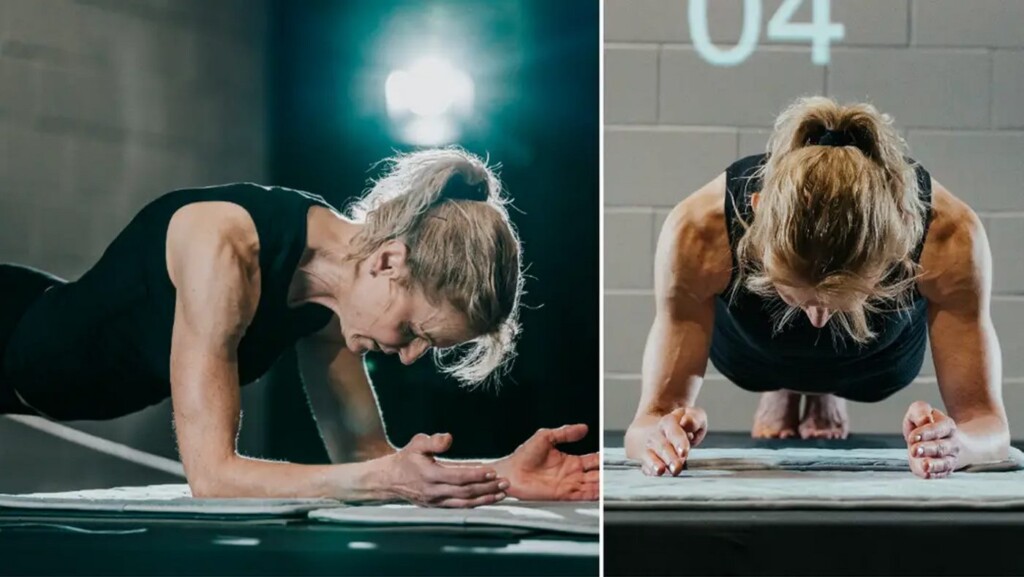
59-year-old Breaks Women’s World Record for the Longest Time in an Abdominal Plank Position
DonnaJean Wilde setting the plank record – Guinness World RecordsFriday, 4 July 2025
Golden Wheat Anniversary: Farmer Uses Crop Field to Create One-Mile Message for Wife of 20 Years

Tuesday, 27 May 2025
Lipolysis more effective in women than men: Study
New Delhi, (IANS) A team of researchers has said that lipolysis is more effective in women than in men, which could partly explain why women are less likely to develop metabolic complications than men, despite having more body fat.
Friday, 11 April 2025
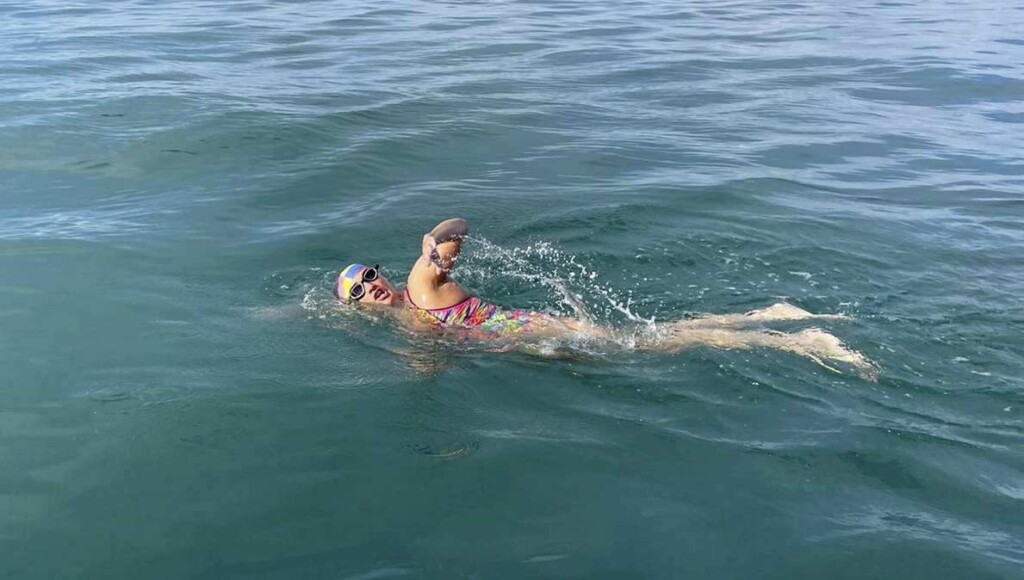
49-Year-old Becomes First Blind Woman to Swim English Channel: ‘Nothing is Impossible’
Melanie Barratt out in the English Channel – credit SWNS
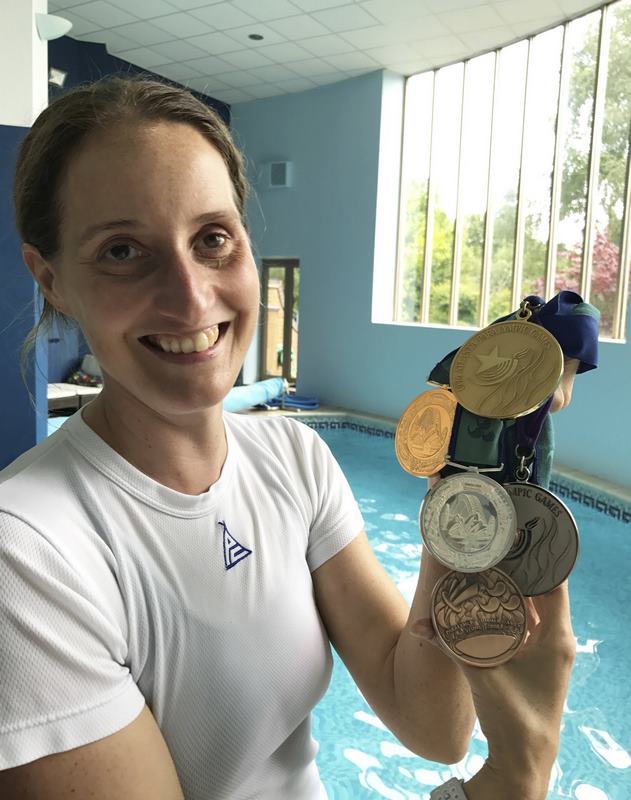
Melanie Barratt with her haul from the 1996 and 200 Paralympics – credit SWNSTuesday, 4 February 2025
Women love playing sport – and writing about it. Here are 6 fascinating and surprising sports books by women
Australians love a good sport story, because we love our sport.
While many of us think of sporting narratives playing out on fields and courts, there are some wonderful sporting stories captured in our country’s rich literature. And just as women have always been playing sport, they have also been writing about it.
Here are some books by women and non-binary writers for your summer reading list. They look at sport in a range of ways. Whether you enjoy histories, non-fiction, poetry, crime or even romance, there is a sporting story to suit all readers. These books seek to connect with diverse sports fans, or anyone looking for something a little different.
The first women’s Ashes
Marion Stell’s The Bodyline Fix: How Women Saved Cricket delves into a fascinating yet often overlooked chapter of cricket history. The book explores how Australian women cricketers in the 1930s played a crucial role in restoring the integrity of the sport, following the infamous men’s Bodyline series of 1932-33, which strained relations between Australia and England.
Stell is one of Australia’s foremost sports historians. She has gathered the stories of women’s sport in Australia, tracking down documents from scrapbooks kept by athletes and their families, mining storage units and garages for historical gems, and peering through miles of microfilm.
She is the author of the germinal book Half the Race: A History of Australian Women in Sport (1991), and her co-authored work with women’s football pioneer Heather Reid, Women in Boots: Football and Feminism in the 1970s (2020), is also excellent reading.
In The Bodyline Fix, Stell tells the story of the inaugural women’s test series, played against England in the summer of 1934-35. The series put women’s cricket in the spotlight. It brought together players from diverse backgrounds and social classes, and different levels of cricketing experience, to represent Australia. The women who played defied societal norms, family pressure and public scrutiny to pursue their passion. Their trailblazing spirit has contributed the strong Australian women’s cricket culture we have today.
The series is now known as the first women’s Ashes. The event’s 90th anniversary will be celebrated with a historic test at the Melbourne Cricket Ground, starting on January 30, 2025. Now is the perfect time to learn more about those pioneering women and their legacy.
Footy in literature
When we think of books about Australian rules football, we tend to think of the many memoirs, biographies and other non-fiction works documenting the game’s history, cultural influence and place in collective memory.
Despite the game being the country’s dominant football code, it has not strayed too far into the world of fiction. Fictional footy narratives are rare. Those written by women even rarer. In 2014, Ed Wright observed in the Australian that “for something so culturally unique, Aussie rules football is under-represented in our literature, especially given the obsession with the game of our UNESCO City of Literature, Melbourne”.
Yet around this time three intriguing novels written by women about Australian rules football were published: The Family Men by Catherine Harris (2014), Game Day by Miriam Sved (2014) and The Whole of My World by Nicole Hayes (2013).
These books depicted the ways women work to connect with the game and the joy that fandom can bring. They also examined the dark side of the sport, such as the effects of toxic masculinity.
More recently, Sarah Thornton published Lapse, a crime thriller set in rural Australia, where the protagonist, former lawyer Clementine Jones heads to the country and ends up coaching at the local footy club.
Lapse is an interesting look at Australian rural life, racial tensions in small communities and the dynamics of country footy through the tropes of the thriller genre. The novel has lots of suspense to keep you turning the pages. The plot is a refreshing take on the “stranger arriving in a small town with a secret”, featuring a woman protagonist who comes into a hypermasculine environment.
Another footy book to add to your reading list is the newly published The Season by Australian literary legend Helen Garner.
The Season depicts Garner’s experience following her grandson’s under-16s football team for a season. It is full of reflections on developing masculinity and the role of sport in crafting identity. Garner also writes about connection to her AFL team the Western Bulldogs and what being a supporter means to her.
The book is a valuable contribution to the footy book genre. Seeing the sports we love through the eyes of those not as close to the game helps us see it in a new light.
Matildas’ momentum
Who didn’t get caught up the excitement of the 2023 FIFA Women’s World Cup? One of the successes of the event was how many new fans were welcomed into the women’s football family.
Now we have some fantastic publications to speak to those new fans, celebrate the trailblazers, and reflect on the future of women’s football.
Football historian and academic Fiona Crawford has been busy over the last couple of years documenting the increased focus on Australia’s national women’s team the Matildas.
She published The Matilda Effect (2023) in the lead up to the 2023 FIFA Women’s World Cup. She also co-authored Never Say Die: The Hundred-Year Overnight Success of Australian Women’s Football (2019) with Lee McGowan, which is another great read.
Her recently released The Rise of the Matildas reflects on the Matilda’s World Cup experience. Crawford writes with expertise, consideration for the game’s pioneers, and respect for fans. Her engaging style instantly connects you to the historic moment that we hope will change Australian women’s football forever.
First Nations people and sport
Personal Score: Sport, Culture, Identity by Ellen van Neerven is a compelling blend of memoir, poetry and cultural commentary.
Through essays, reflections and poems, van Neerven explores the intersections of sport, culture and identity, with a focus on their lived experience as a queer, non-binary First Nations person.
Personal Score is incredibly powerful, alternating between intimate reflection and sharp political critique. It explores what it means to play sport on stolen land, to love football – and questions the game’s colonial history.
The book tells stories of trauma and resilience. Van Neerven’s considered writing not only provides hope that Australian sport can change to become more inclusive, it details practical steps we can all take.
Tennis anyone?
Romance fiction book sales are on the rise. You might be surprised to learn that sports romance has become a major player in this growing market – so much so that from February 28 to March 2, 2025, the world’s first Sports Romance Convention will be held in Minneapolis, USA.
As we gear up for the Australian Open, a timely title is Abra Pressler’s Love and Other Scores. Pressler tells the story of an international tennis star with a secret coming to compete in Melbourne’s grand slam tournament. When he falls in love with a local, he finds he can’t hide his secret much longer.
Pressler’s novel explores how diverse sexualities are still stigmatised in men’s sport, at the same time as it depicts an environment where there are more intersectional identities. And of course, as is necessary in the romance genre, it gives us a “happily ever after” ending that allows us to imagine a sporting world where these issues are not only resolved, but celebrated.
Love and Other Scores is a sexy, queer romance with a diverse cast of characters. It is an excellent example of intersectional representation in sport and it is also a fun summer read.![]()
Kasey Symons, Lecturer of Communication, Sports Media, Deakin University and Lee McGowan, Senior Lecturer, Creative Writing, University of the Sunshine Coast
This article is republished from The Conversation under a Creative Commons license. Read the original article.
Friday, 31 January 2025
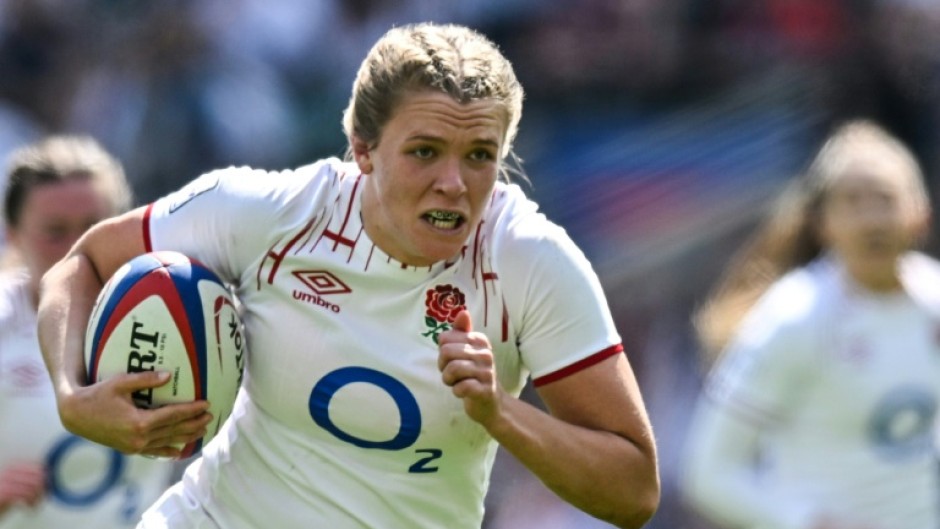
Aldcroft named England captain ahead of 2025 Women's Rugby World Cup

Wednesday, 29 January 2025
Chelsea sign Girma in reported world record deal for female footballer

Monday, 20 January 2025
Nagaland's Imnainla Jamir honoured with 'National Youth Icon Award'
Monday, 6 January 2025
Women-led startup funding in India increases to $930 million in 2024
Monday, 9 December 2024
Woman Gives Birth in Lobby of Welsh Cinema and the Daughter Now Has Free Movies for Life

Monday, 2 December 2024
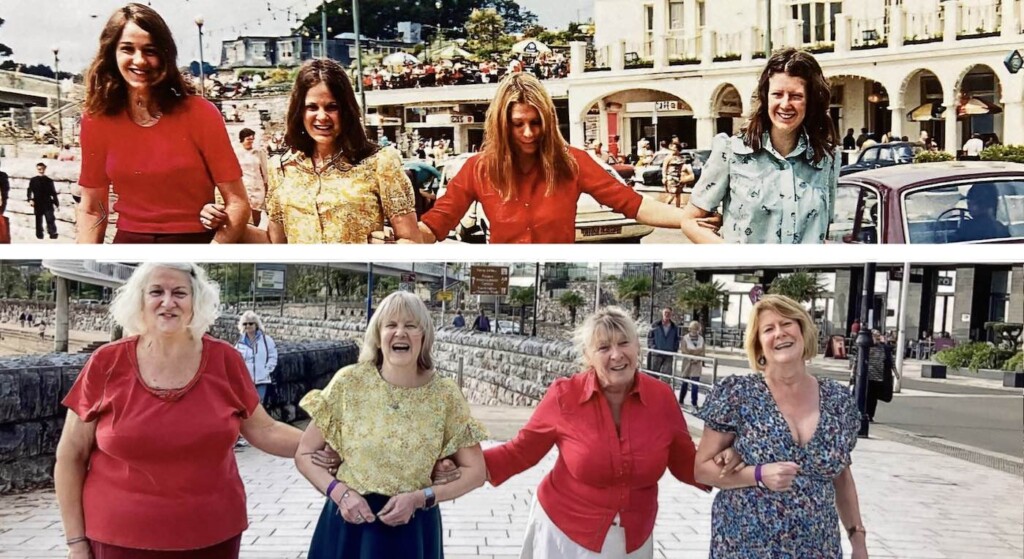
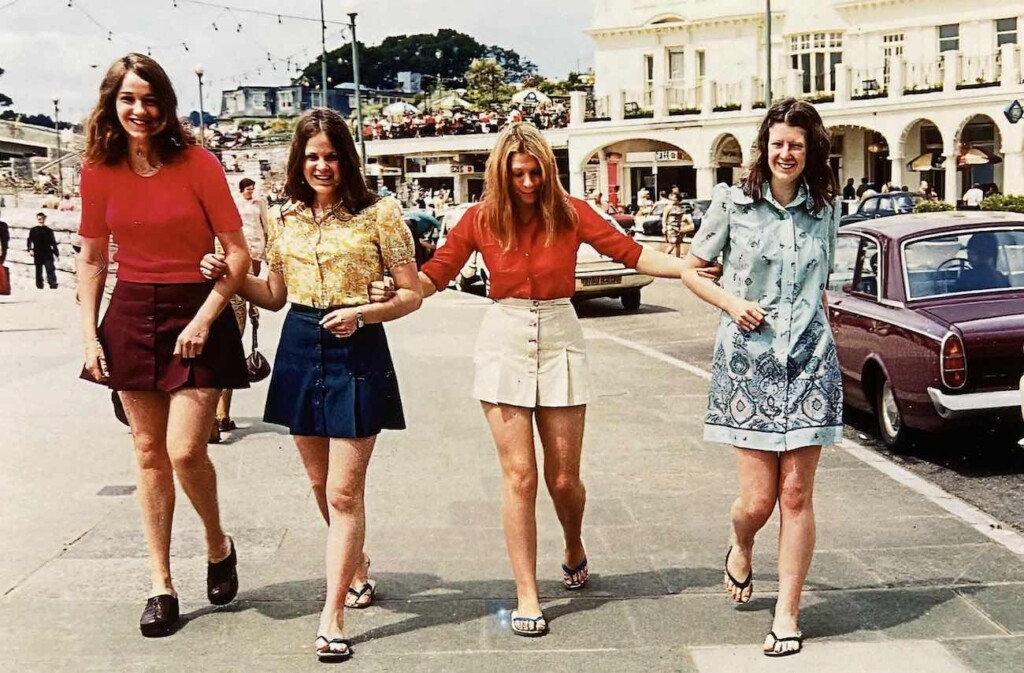
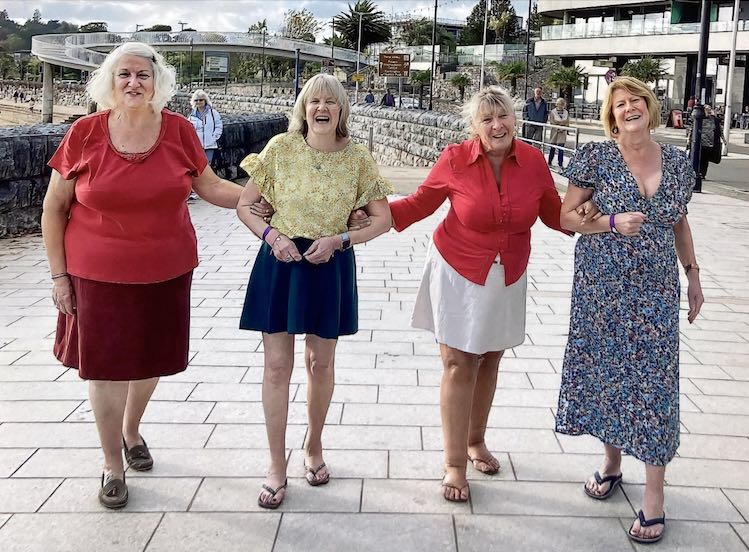
Four Girlfriends Recreate Photo From Their First Fun-Loving Vacation 50 Years Ago


Friday, 20 September 2024
Indian women’s contributions across UAE honoured at Indian Women Dubai Awards 2024

Tuesday, 2 July 2024
The unique toll of stress and depression on women’s hearts
- Dianne Travis-Teague remembers clutching her chest as she navigated the chaos of a crowded hospital parking lot, searching for a space amid the throng of vehicles. For weeks a clinic in her hometown of Santa Barbara had been telling her the chest pain was merely the result of anxiety or indigestion.
- At the emergency room, doctors quickly discovered that the two-time breast cancer survivor was having a heart attack. Surgery to unblock her arteries saved her life, but for the next four months, her pain continued. “I was feeling worse off after the stent than before,” she said. “I suffered, sometimes silently. My family suffered as well.”
- It wasn’t until she visited a women’s heart specialist that she found answers. Her doctor asked questions about her life, family and stress related to her work as the director of alumni relations at a graduate school. Her physician, C. Noel Bairey Merz, director of the Barbra Streisand Women’s Heart Center in the Smidt Heart Institute at Cedars-Sinai, also explained the link between mental and cardiac health, especially in women.
- Bairey Merz prescribed a new blood pressure medication and a lifestyle regimen focused on stress reduction. Travis-Teague was feeling better within a few weeks.
- “It was like all of a sudden, somebody could hear me,” Travis-Teague said. “Now I know the importance of work-life balance.”
- A growing body of evidence suggests the effects of mental health has a disproportionate impact on women’s bodies. Recent findings presented at the American College of Cardiology’s Annual Scientific Session in April indicate that depression and anxiety accelerate the development of new cardiovascular disease risk factors, particularly among young and middle-aged women.
- The researchers followed 71,214 people participating in the Mass General Brigham Biobank for 10 years. Those with a history of anxiety or depression before the study were about 55 percent more likely to develop high blood pressure, high cholesterol or diabetes compared to those without. The finding was most pronounced among women with anxiety or depression who were under 50, who were nearly twice as likely to develop cardiovascular risk factors compared with any other group.
- “The aim of our project is to suggest that if a physician has a patient with anxiety or depression, he or she should also think about screening for cardiovascular risk factors,” said lead author Giovanni Civieri, a cardiologist and research fellow at Massachusetts General Hospital and Harvard Medical School.
- Previous studies have also shown that stress and emotional health can have an outsize impact on women’s hearts.
- One study of more than 3,600 men and women from Framingham, Mass., looked at married partners who typically bottled up their feelings during a fight with their spouse. Women who “self-silenced” during marital conflict were four times as likely to die during the 10-year study period as women who always spoke their mind. (The effect wasn’t seen in men.) Whether the woman reported being in a happy marriage or an unhappy marriage didn’t change her risk.
- An 18-year study of 860 Australian women concluded that having a depressive disorder is a risk factor for coronary heart disease in women. The strength of association between depression and heart disease was of a greater magnitude than any other risk factor.
- “The literature supports an even stronger association between depression and heart disease and bad outcomes in women than men,” said Roy Ziegelstein, a cardiologist and professor of medicine at Johns Hopkins.
- Ziegelstein pointed to a condition called Takotsubo cardiomyopathy – also known as “stress cardiomyopathy” or broken heart syndrome – that is more common in women. As many as 90 percent of cases occur in women between the ages of 58 and 75. While many people recover, the condition can be life-threatening and is often triggered by intense physical or emotional stress.
- Across the spectrum of age, ethnicity and socioeconomic status, there are numerous tales of women whose symptoms are ignored, only to later discover that they have experienced a heart attack or developed cardiovascular disease.
- For Marianna Knopov, several New York physicians she saw over three years were unable to pinpoint the cause of her intense heart palpitations and chest tension. In 2013, the then 51-year-old Russian immigrant was a busy mother of two teenage sons steering her own thriving dental clinic. “My life was basically like a roller coaster,” she said.
- After years of the same cycle – pain, hospitals and home without relief – Knopov said she was ready to give up on her search for answers. “You go to one after another and they don’t listen to you. They don’t hear you. They just want to dismiss you, and that’s how I felt.”
- By the time she met Evelina Grayver in 2016, a cardiologist specializing in women’s heart health who is now at Katz Institute for Women’s Health at Northwell Health in Queens, the vessels in her heart had become constricted and calcified, and there was “absolutely nowhere” to attach a new bypass.
- Doctors placed seven stents in all three of her major arteries – and Grayver prescribed a lifestyle regimen to better regulate the anxiety and chronic stress that helped get her there. Knopov said the diagnosis had a “profound” effect on her. “I had to change something,” she said.
- She eventually sold her practice, traded in New York’s bustling streets for Florida’s serene beaches, and recently became a grandmother.
- “I’m living a totally different life,” she said. Now 62, Knopov has incorporated meditation, yoga and abdominal breathing exercises into her daily routine, and she walks 10,000 steps per day.
- Knopov said her doctors’ advice helped her “experience a different state of mind and being.” There is a lot of joy each day,” she said.
- In the intricate web of mental health and cardiovascular well-being, there isn’t a clear explanation why the connection is so strong in women.
- Studies from Emory University have found that women experiencing acute mental stress are more susceptible than men to constriction of their small peripheral arteries, leading to diminished blood flow. Researchers found that the microvascular response to stress was also associated with adverse outcomes in women but not in men.
- One reason for this could be that women’s blood vessels are smaller in caliber and consistency than those found in men. While men are prone to centralized plaque buildup in the largest arteries that supply blood to the heart, women typically have diffused, small blockages throughout their blood vessels, “which is very dangerous” because they can be more difficult to detect and treat, according to Grayver.
- Additionally, experts say stress in women appears to disrupt lipid balance, increase platelet aggregation and impair glucose regulation. Chronic stress may further exacerbate coronary heart disease progression by fueling inflammation, a risk factor more pronounced in women. This heightened inflammatory response elevates their chances of major adverse cardiovascular events.
- “We know that anxiety and stress and depression are bad. Now, let’s figure out how to best identify and treat people who are at risk,” said Puja Mehta, director of women’s translational cardiovascular research at the Emory Women’s Heart Center. “How do we help them manage stress so that it improves blood flow to the heart?”
- One key area of interest for researchers is whether addressing mental health concerns, using existing medications such as antidepressants or traditional talk therapy could mitigate cardiovascular risk. Others are studying a potential genetic link between depression and heart disease, with the hope of discovering novel drugs capable of treating both conditions simultaneously.
- While understanding why women’s hearts are particularly vulnerable to stress is valuable, it’s more important for doctors to acknowledge the connection from the outset.
- “What tends to happen is that younger women who have risk factors, for example, may only see their OB/GYN for birth control, and by the time they come to the cardiologist they’ve already developed heart disease or heart failure,” Mehta said. “We have to do a better job of identifying and early prevention.”
- Following a heart attack, women face a higher risk of mortality within the five years. While not fully understood, one theory suggests that the increased risk could be attributed to the adverse psychological reactions to the stress of experiencing a heart attack, according to JoAnn E. Manson, chief of preventive medicine at Brigham and Women’s Hospital in Boston.
- Research also shows that fewer women than men are referred to cardiac rehabilitation programs, which can help limit the psychological stresses associated with cardiac disease, reduce the risk of associated mortality and improve cardiovascular function to help patients optimize their quality of life. In addition, women are less likely to be put on protective medications, such as cholesterol-lowering statins or beta blockers, to protect against future cardiovascular events.
- Experts emphasize that lifestyle interventions are among the most effective and accessible tools for women managing both mental health and cardiovascular conditions. That includes regular exercise, improved diet and sleep patterns, as well as tools to manage stress, such as meditation and deep breathing.
- Social support also seems to have a stronger heart benefit for women compared with men. The presence of family members or friends with whom women can maintain regular contact strongly predicts their cardiovascular health, according to Manson.Travis-Teague has continued to work with her doctors to manage her stress. Her advice to women facing similar challenges: “Understand that you need to listen to your body and be your own advocate. Do not be afraid to ask questions and to find the place where people will care for you.” The unique toll of stress and depression on women’s hearts
Wednesday, 12 June 2024
Woman Welcomes Baby After Strangers Donate $13,000 for Her to Undergo IVF: ‘It just went mental’


Thursday, 23 May 2024
Mom Designs Stunning Dress Made of 210 Fresh Flowers Combining Her Love of Art and Gardening

Wednesday, 22 May 2024
‘Investing in women is a human right issue’
Monday, 20 May 2024
Sticky Floors: Only 26% Of Working-class Female Professionals Have Been Offered A Promotion At Their Company
- 26% did not think their employer would offer them a pay-rise – 10% more than upper-middle class women
- 22% lacked the confidence to negotiate – 10% more than men from similar backgrounds
- 12% did not negotiate due to their company’s low profit / cost cuts – twice the amount of men from similar backgrounds
- Equal advancement opportunities – introducing mentorship programmes for professionals targeted at lower socio-economic classes can support their professional growth and prevent them hitting progression ceilings. It is not only important that all employees are provided with clear paths to progression but that promotion processes are always transparent.
- Transparency on pay-gaps – women from working-class backgrounds are met with a double burden when to comes to pay – impacted by both the class pay gap and the gender pay gap. That is why it is more important than ever for companies to report transparently on their own pay gaps and coordinate a strategy to address them.
- Employee Resource Groups (ERGs) – having specific ERGs can help provide a sense of community and support for professionals from similar backgrounds.
- Ongoing assessments & adjustments – As an employer, it is important to constantly be assessing your own culture and levels of inclusion – from the start of the hiring journey to on-the-ground within the workplace. Through implementing things like anonymous surveys and evaluations, regular Q&As and open discussions. Sticky Floors: Only 26% Of Working-class Female Professionals Have Been Offered A Promotion At Their Company - HR News: